If you've ever typed "coloring pages for girls" into a search engine at an inconvenient time and ended up with a page full of identical pink hearts and blurry princess silhouettes, you already understand the problem. The category exists. But its content often doesn't match the child standing next to the printer.
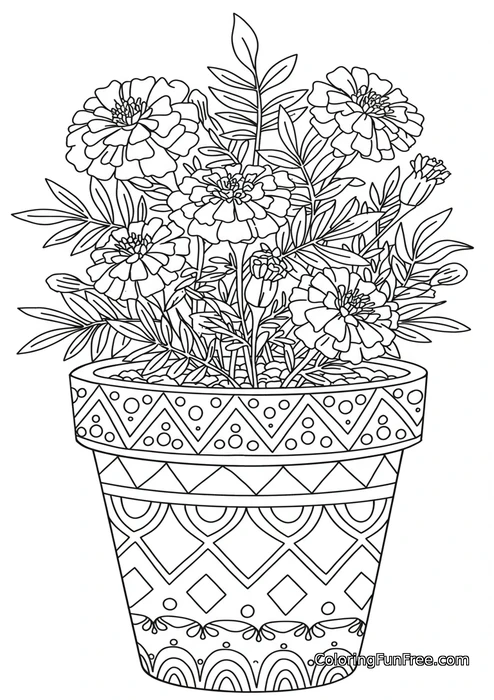
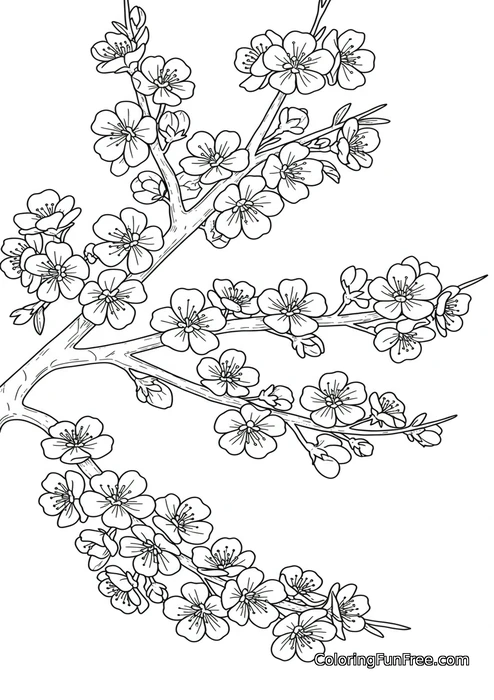
Girls ages 3 to 12 are not a single audience. A four-year-old girl obsessed with butterflies doesn't want a cartoon butterfly with four identical wings. She wants one that looks like the real thing - with patterns on its wings, maybe some colors around it, something that rewards the particular shade of orange she's already picked out in her imagination before the page even loads. A ten-year-old, meanwhile, would find the same butterfly mildly offensive. She's looking at detailed outlines, complex mandalas, or something so intricate that it takes real effort to complete.
The difference between these two kids is enormous. Most free printout sites treat them as one person.
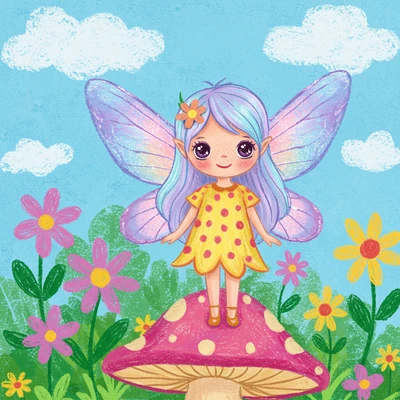
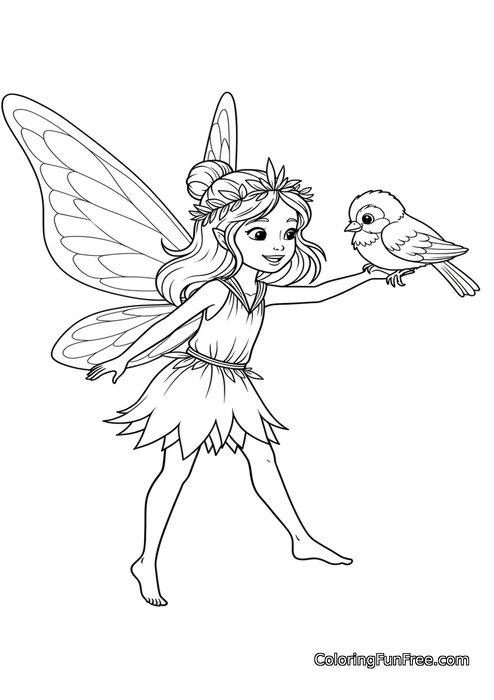
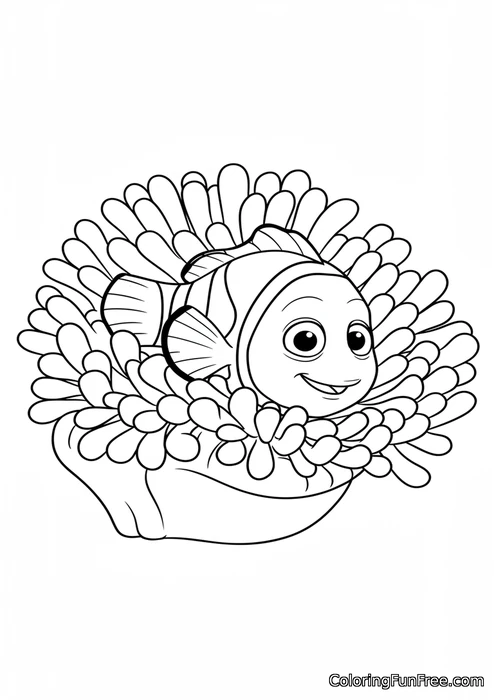
On coloringfunfree.com, we've spent enough time posting and organizing these sheets to notice a pattern. Five-year-olds come back for fairies and simple flower borders. Eight-year-olds want animals - but specific ones, with fur texture suggested by the lines. Eleven-year-olds are often looking for something closer to illustrations than exercises. And each age group has its own view of what counts as "good," which changes faster than most content libraries are updated.
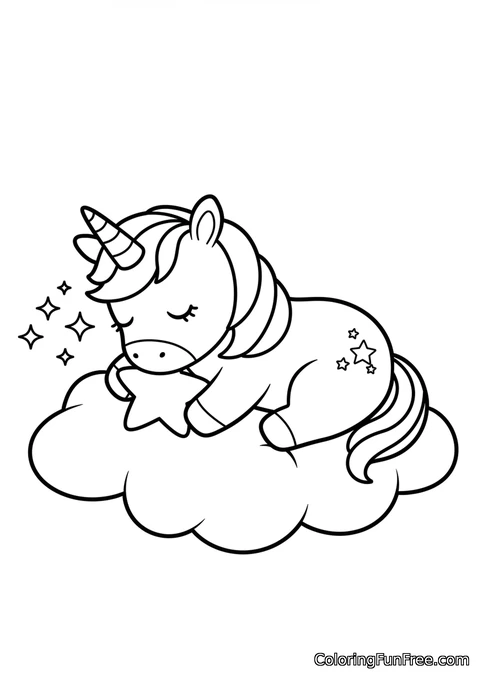
There's also a developmental reality that's worth naming explicitly. An empirical study published in Springer Nature found that children ages 4-5 who color regularly show marked improvements in fine motor coordination and grip stability - see the full article at communities.springernature.com. The level of detail with which a child can work isn't just a preference - it's directly related to what stage of development their hands are at. A three-year-old given large, open shapes isn't being handed an easy page. She's being handed the right page.
So, let's get to what's actually in our collection and how to navigate it so you don't print out three wrong sheets before you find the right one.
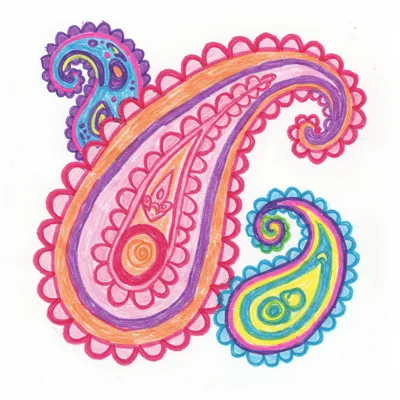
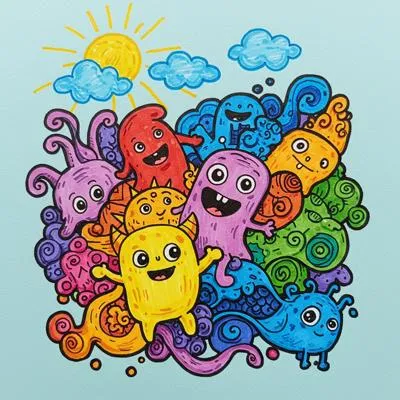
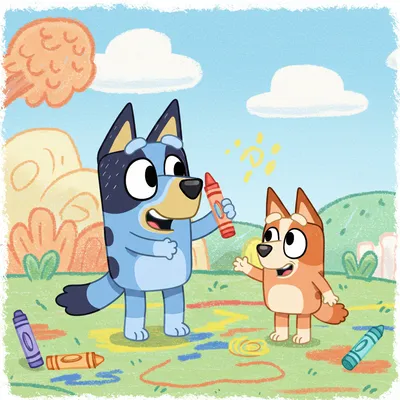
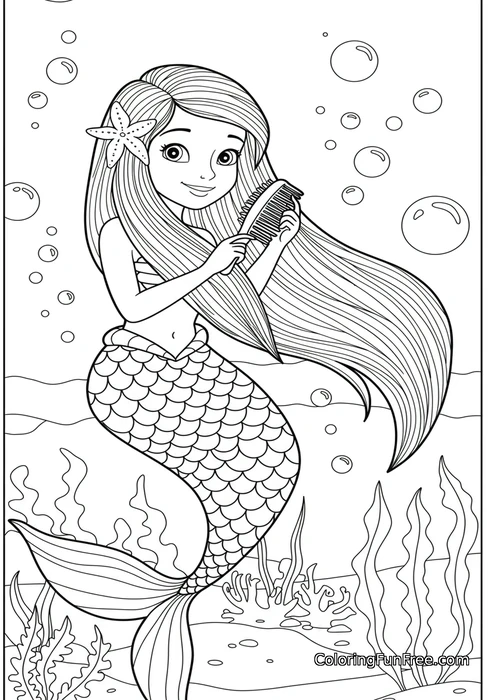
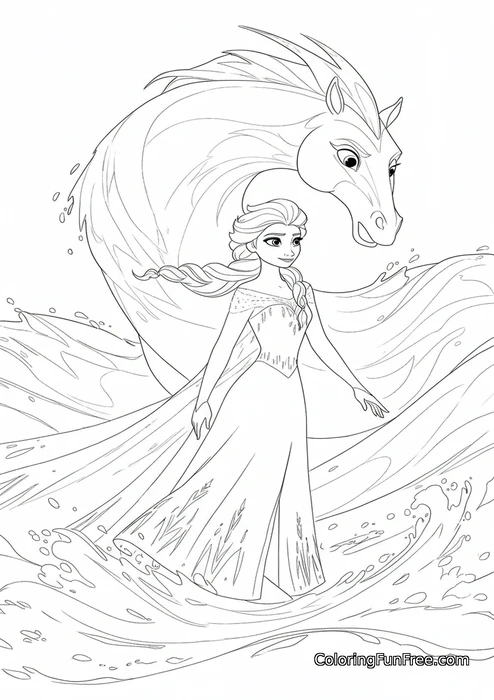
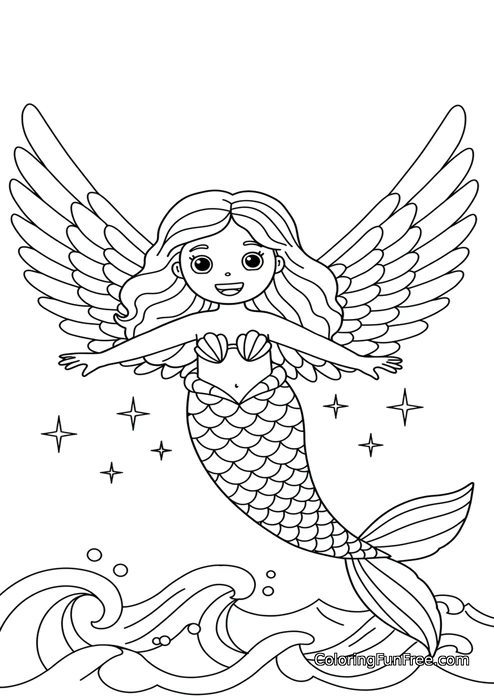
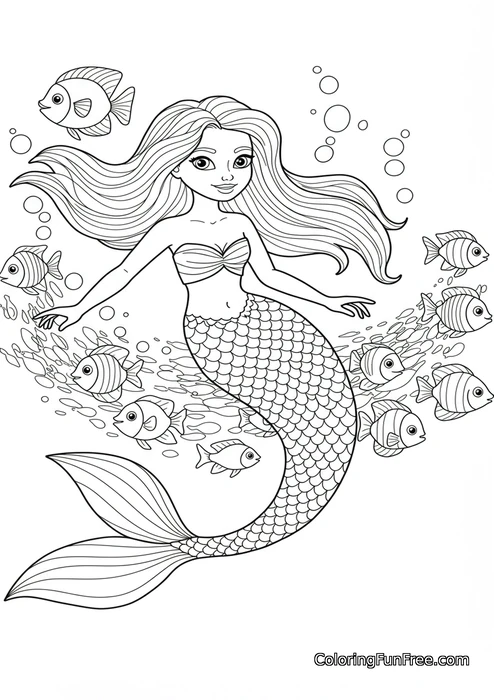
Here's what you'll find in our collection of free coloring pages for girls, grouped by the level of detail and subject matter each category contains:
The point isn't diversity for its own sake. The point is that a girl who has already decided exactly what she wants to color will immediately notice if a page doesn't meet her expectations. Keeping the collection specific - not just large - is the only approach that really works.
Another thing worth being explicit about: "coloring pages for girls" as a category has historically leaned toward pink, purple, and pastels, without questioning whether that's really what a particular child prefers. Some girls color their pages black and dark green because it feels right to them. The worksheets on this site are designed to work with any color choice, not to impose one. The outlines are the content. The color is always the child's choice.
The most common mistake we see parents make - and it's a very simple one - is printing the same sheet for two children who have a six-year age difference. A page that is perfect for a first grader will bore a fifth grader in less than two minutes. The opposite is equally true: a page designed for a nine-year-old will frustrate a four-year-old to the breaking point, and that frustration doesn't just end a coloring session - it sometimes ends coloring as an activity for a while.
According to data compiled by Colorlix, children who color regularly develop readiness for writing an average of 6 months earlier, and 92% of early childhood educators recommend coloring as a developmental tool - full source at colorlix.com. But this benefit only holds true when the sheet is truly appropriate for the child. An overly complex page doesn't develop. It discourages.
Here's a practical breakdown of what to tackle first, by age category:
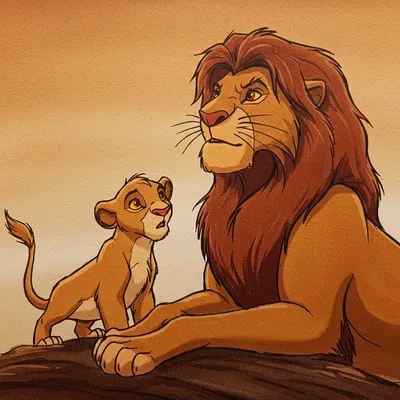
We also suggest checking out our Harry Potter coloring pages section if your child is in the 8-12 age group and has a strong attachment to a particular fictional world - it's a useful example of how character-related content can serve older kids who have outgrown common themes, but still want something with narrative context.
The collection at coloringfunfree.com is organized so that you can filter by difficulty level, not just by subject matter. This is done intentionally. Subject matter takes you to the right category. Difficulty takes you to the right page for the specific child in front of you.
There is a moment that invariably happens when a girl finishes a coloring page that she has chosen herself and colored without interruption. She holds it in her hands. Not to show you - or not just to show you. She looks at it herself first.
This look does something. She reads her own decisions: the color of the dress, the way she shaded one wing darker than the other, the choice to leave the background white or fill it with something unexpected. There was an inner logic to it all, and the finished page is a record of that logic. Even at five years old, it's a real learning experience, not just a craft activity.
What happens next is almost always the same. She asks for another page. Not because she wants more work, but because she has more to say. The first page was a warm-up. She knows more about how she wants to color now than she did twenty minutes ago.
This is the part that productivity-oriented parenting materials tend to miss - the fact that coloring creates a particular momentum. It's not like watching a TV show where each episode ends and she ends up right back where she started. The finished coloring page is something already created. It hangs on the refrigerator, lies in a folder, or is given as a gift to a grandparent, and in any of these cases it travels from her head into the physical world.
This journey - from idea to finished object - a free coloring sheet can genuinely support, if the sheet is right. The wrong page, too complicated or too simple or too generically "for girls," interrupts the journey before it even begins. The right page disappears. The child no longer notices the page. She's just coloring.
Picking the right paper is the first decision. Getting the print settings right is the second. Most parents skip the second entirely, and then wonder why the finished page looks messy or why the markers bled through to the table.
Standard copy paper - 75-80 gsm - works great with colored pencils or crayons. If your child uses markers, it won't hold up. Marker ink quickly bleeds through thin paper, especially if you go over the same area multiple times. A slightly heavier paper, 90-100 gsm, solves this problem almost completely. It's not expensive - it's usually labeled "premium" or "presentation" in the same office supply aisle.
Print settings matter, too. Most home printers default to "fast" or "draft" mode, which reduces ink density and makes outlines thinner and lighter than they should be. Switching to "normal" or "better" quality mode takes a little longer, but produces lines that a four-year-old can see and follow. We recommend printing in black and white, even if your printer supports color - preview mode in color sometimes adds a gray tint to the white areas, which interferes with a child's ability to choose her own coloring.
That's basically all there is to decide. The worksheet and the settings. Everything else - crayons, markers, time of day, amount of supervision - depends on the child and your situation. Find a suitable page in our collection at coloring pages or elsewhere on coloringfunfree.com, match it to the age and current interests of the particular girl you're coloring for, and let the coloring take over.