Halloween coloring pages
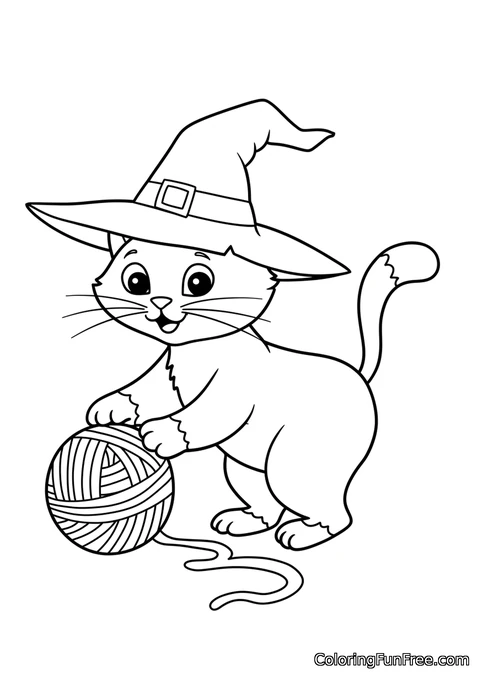
Сat with witch hat playing with yarn

Cute bat hanging upside down
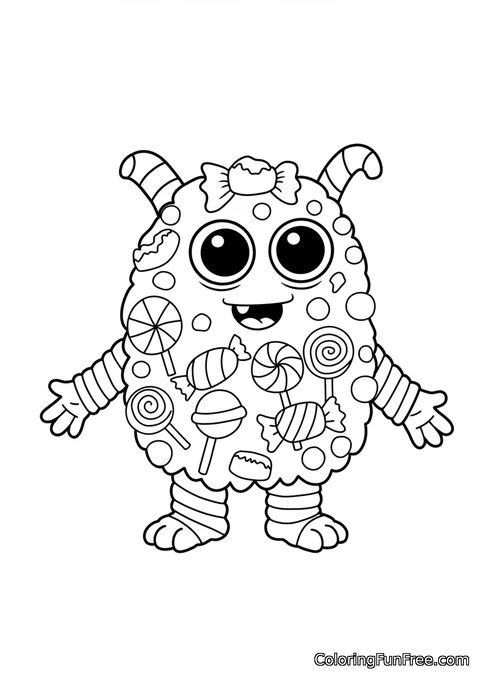
Candy monster
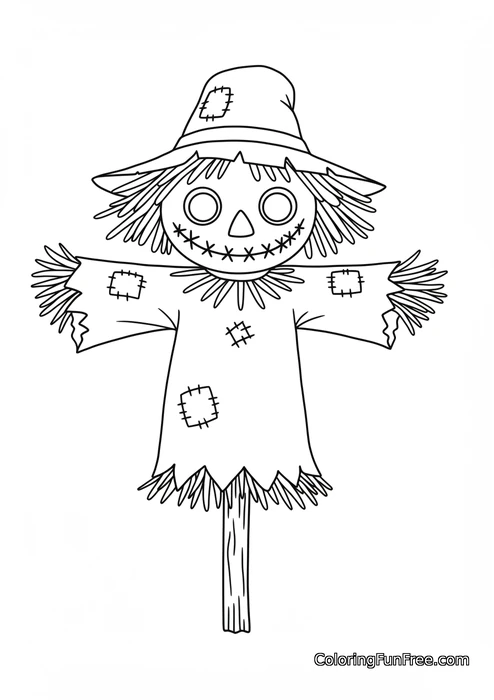
Сlassic scarecrow
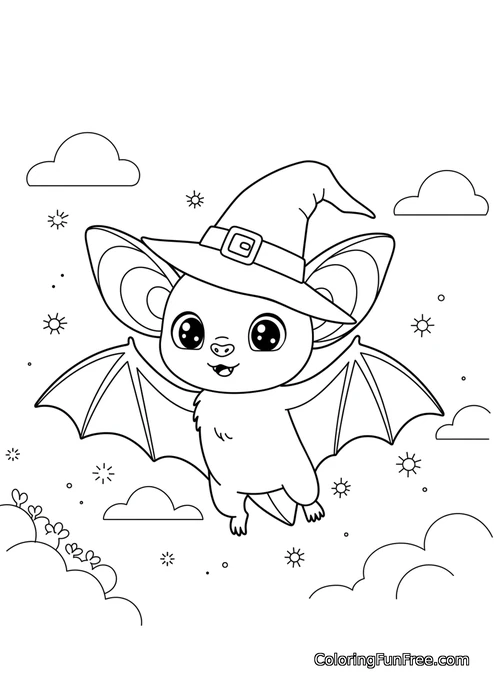
Cute bat wearing witch hat
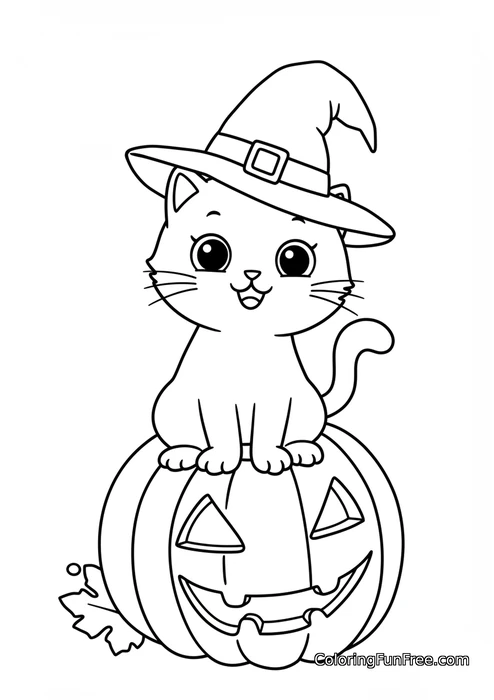
Сat with witch hat
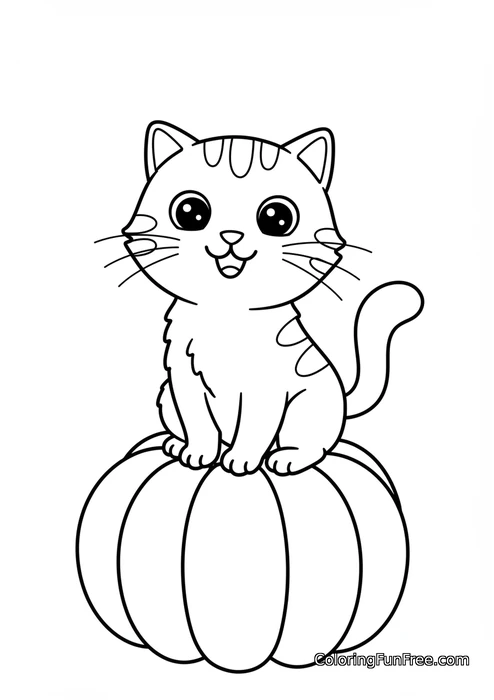
Cute cat sitting on pumpkin
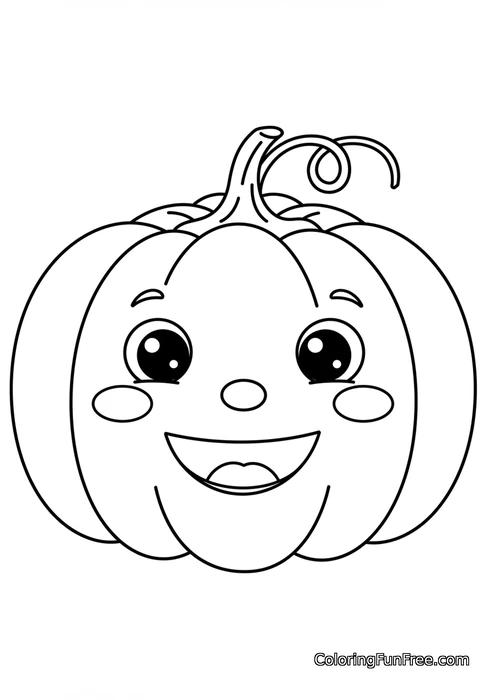
Cute smiling pumpkin face
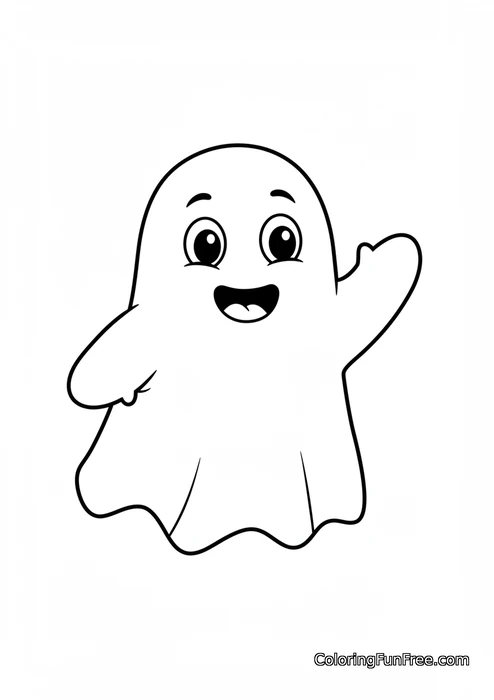
Cute waving ghost
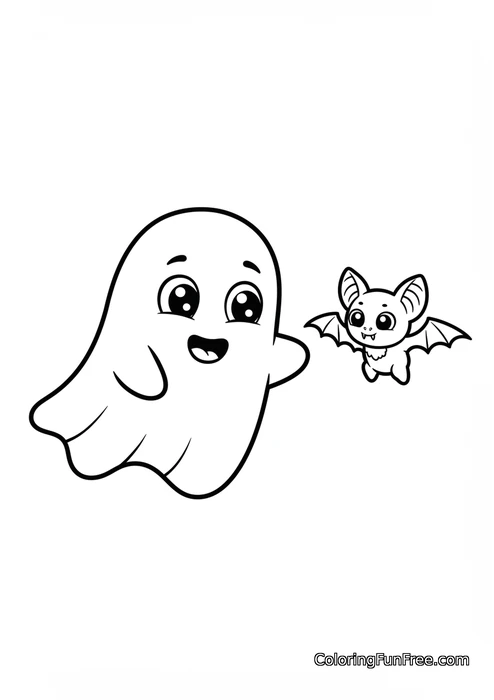
Cute ghost and small bat
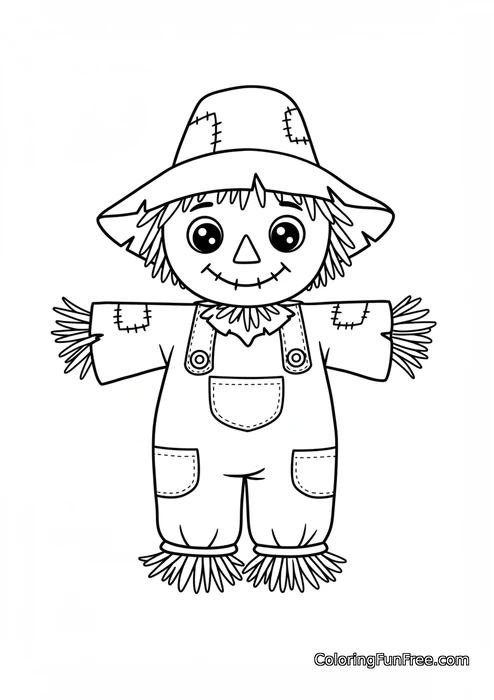
Cute scarecrow
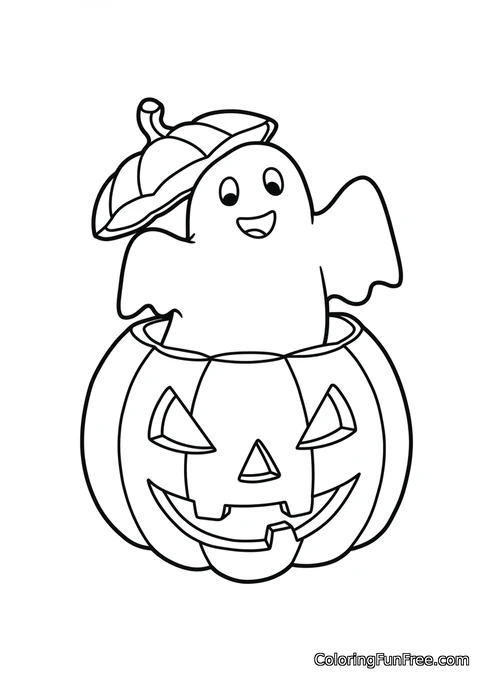
Ghost popping out of jack o'lantern
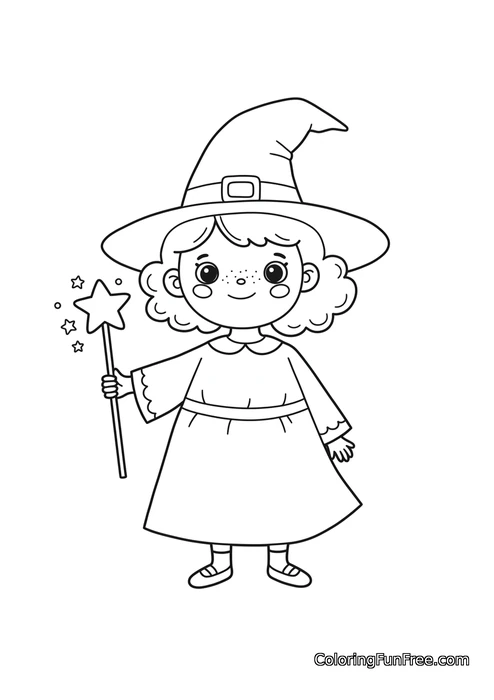
Little witch
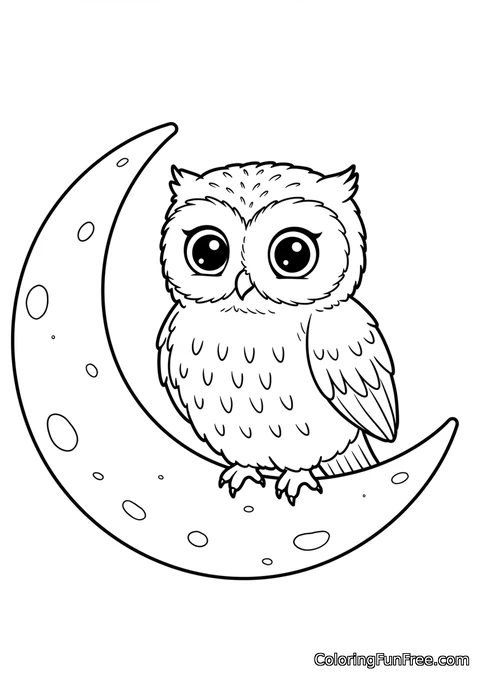
Cute owl on crescent moon
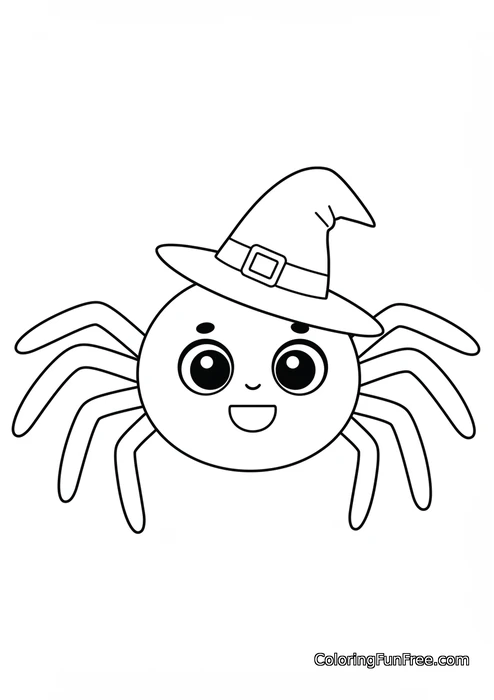
Cute spider wearing witch hat
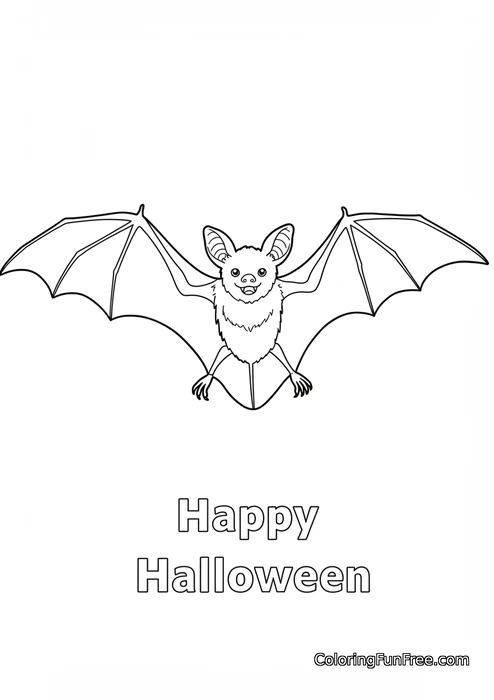
Flying bat happy halloween
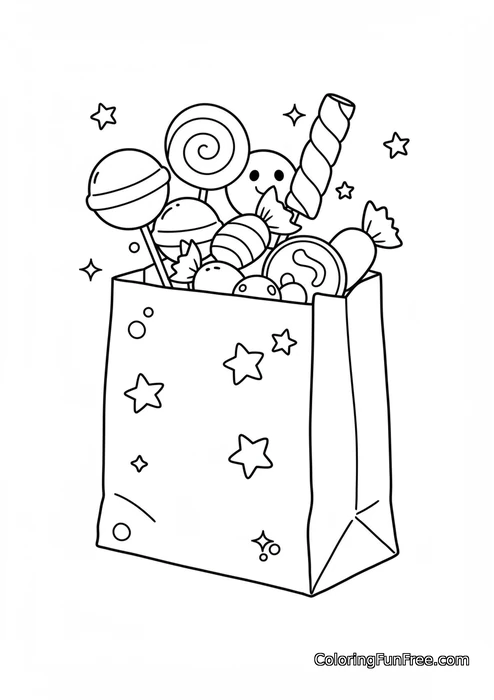
Halloween treat bag full of candy
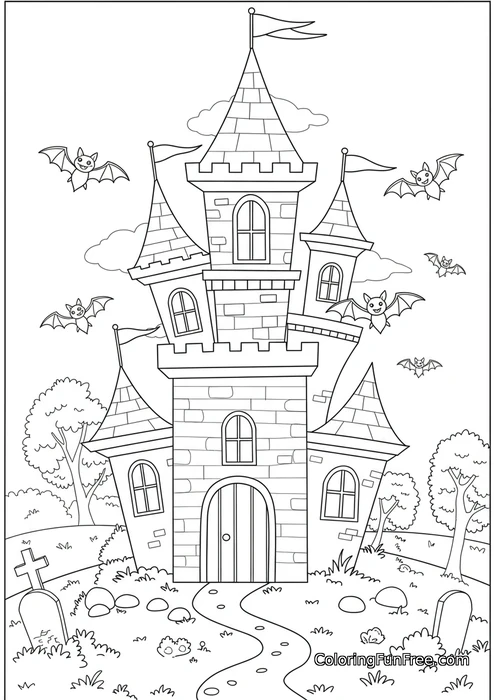
Haunted castle with bats
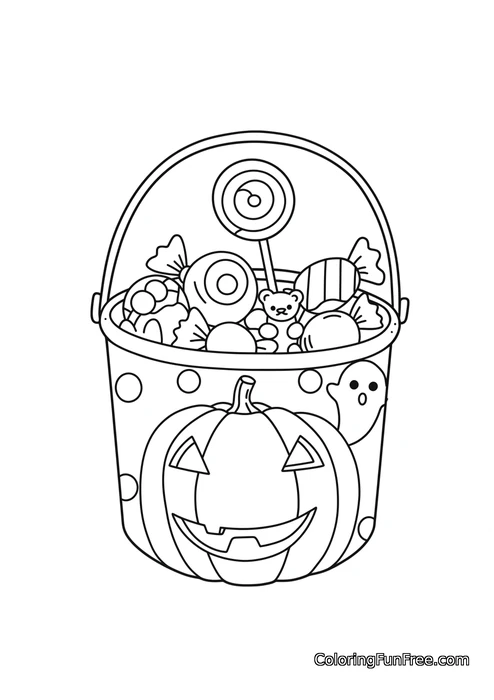
Halloween trick or treat bucket
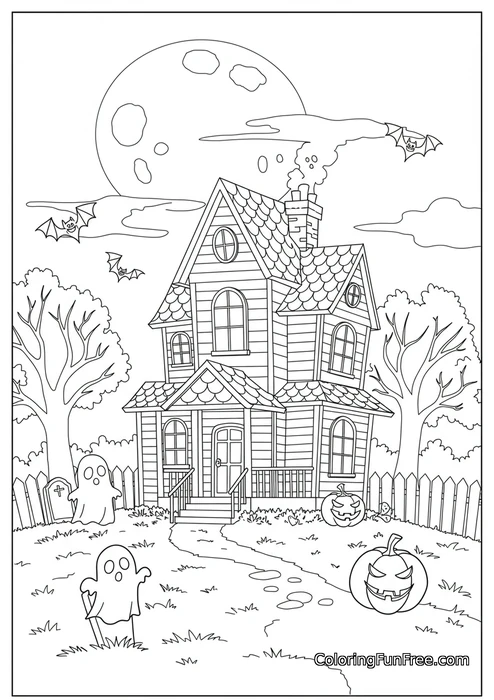
Haunted house with ghosts
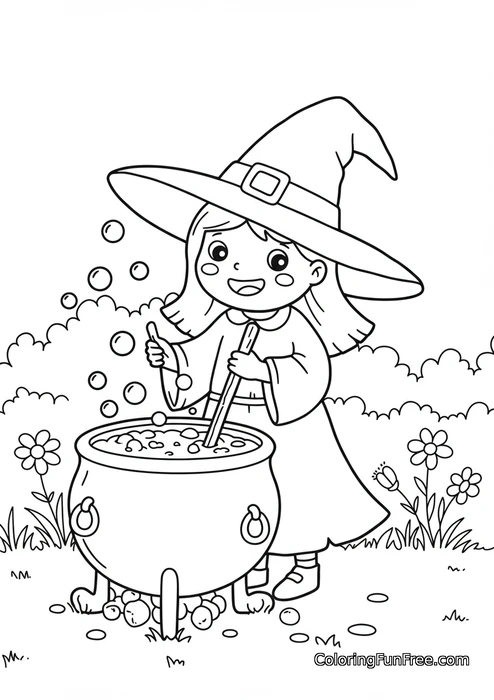
Little witch stirring cauldron
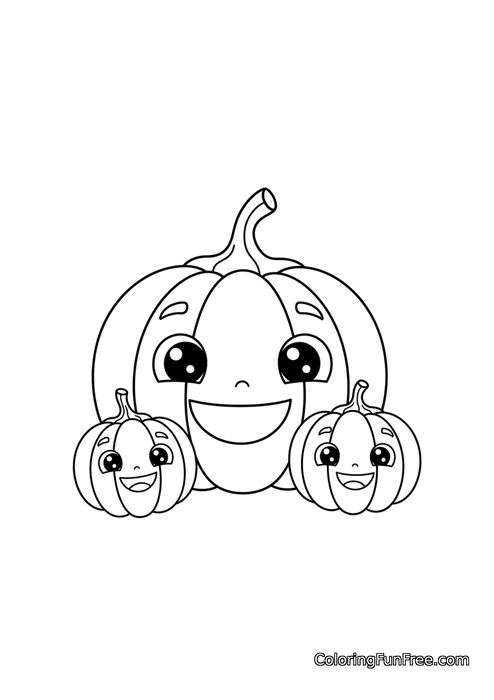
Three cute smiling pumpkins
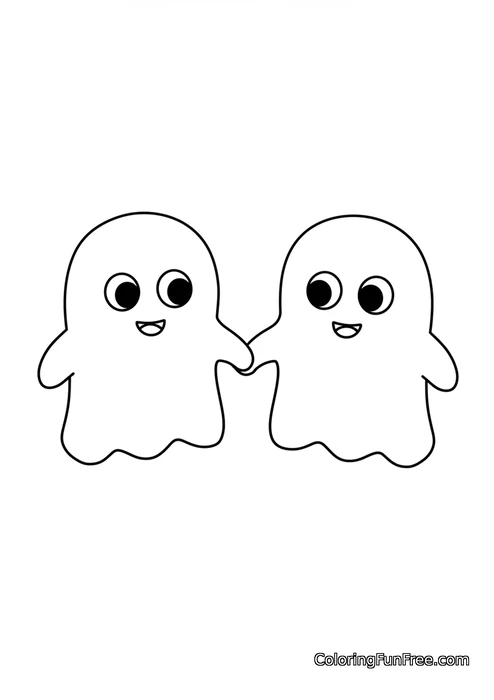
Two cute ghosts holding hands
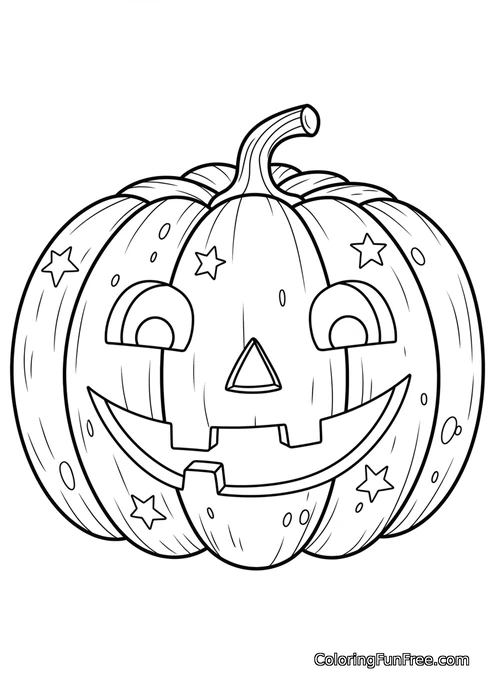
Jack o'lantern with star
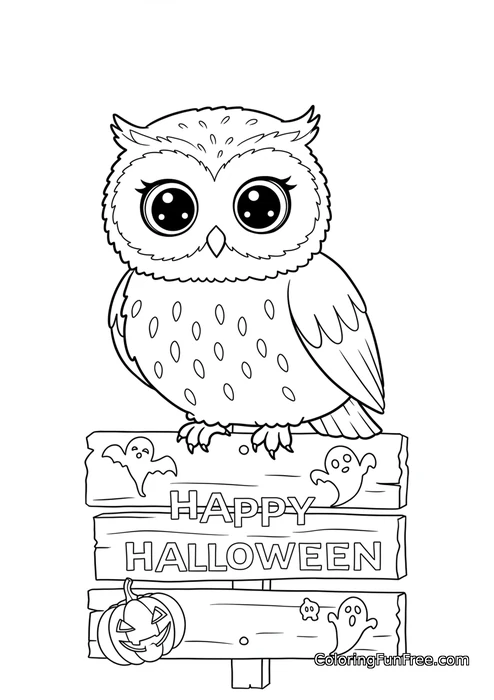
Owl on happy halloween sign
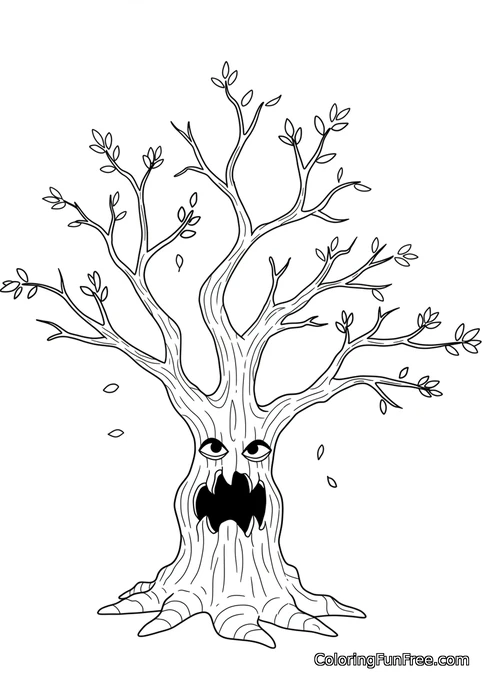
Spooky tree with face

Three ghosts flying over graveyard
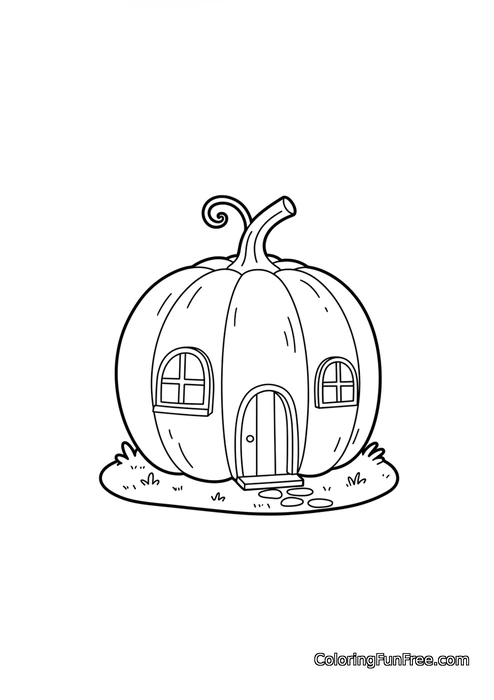
Pumpkin house
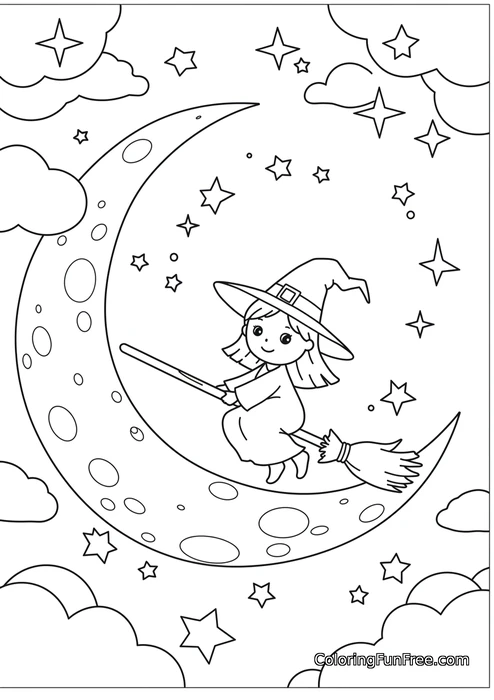
Witch flying on broomstick

Witch flying
Halloween is too much for a 4-year-old to handle. Coloring books are surprisingly good at fixing this.
Imagine this: two days before Halloween, a child notices a neighbor's life-size skeleton decoration on the front lawn. He completely loses his temper. Not because she's scared, not because her parents did something wrong, but because she's never had the opportunity to sit with this image before it stood five feet tall and stared at her. That's exactly the kind of scenario that happens more often than parents expect, and that's why Halloween coloring pages deserve a little more praise than they usually get.
Halloween is really weird from a child's perspective. For one night, children are expected to wear unfamiliar costumes, walk around in the dark, knock on strangers' doors, and not be scared of things that are meant to scare them. Adults have had decades to normalize all of this. A 4-year-old child has not.
The coloring book - quietly, without too much fuss - gives the child his first encounter with Halloween imagery in a calm, stress-free environment. The ghost on paper is controllable. A ghost on paper that can be colored pink with purple spots is something the child now has control over. This is not so little.
Here's what we have in our collection of Halloween coloring pages at coloringfunfree.com, and what situations each type of coloring page suits best:
- Simple pumpkin outlines - best for children 2-4 years old, large shapes, minimal details, good for first attempts at coloring and children who are still preparing for the holiday
- Friendly drawings of ghosts and candy corn - ages 3-6, low-scary images, ideal for anxious children or those who react badly to anything “too spooky”.
- Scenes with witches and black cats - ages 4-8, moderate detail, recognizable Halloween characters without blood and darkness.
- Pages with a haunted house and skeletons - ages 6-10, more complex line work, designed for children who already feel comfortable with Halloween and want something more visually challenging.
- Halloween coloring pages with a full plot to print - age 8-12, detailed compositions with several characters, more suitable for children with developed fine motor skills and longer attention span.
- Character Costume Coloring Pages - All ages, allows kids to color a version of the costume they plan to wear, which can help them feel more connected to it before the night.
According to the American Academy of Pediatrics, coloring helps develop fine motor skills, hand-eye coordination, and the ability to sustain attention - which means that the time your child spends with crayons and a Halloween sheet is more than just one thing at a time. It's a smart trade for ten minutes at the kitchen table. You can also check out our wider collection of free kids coloring pages if you need coloring pages for other than Halloween.
What we've noticed while publishing Halloween coloring pages for several years in a row
We keep track of what's being downloaded on coloringfunfree.com, and Halloween has a very specific pattern. Pages with pumpkins start to be popular in late September - sometimes as early as the third week - while witches, ghosts, and anything skeleton-related spike in the last week of October. Parents who print in late September are planners. Parents who are typing on October 29 are in a very different situation, usually trying to find something to keep a child occupied who has suddenly realized that something big is about to happen.
The issue of the complexity of the details is one that is not talked about enough. A sheet intended for a 10-year-old child-with subtle cross-hatching on the roof of a haunted house, complex shapes of bats in the sky, fine details of faces on a dozen lanterns-is sincerely disappointing to a 5-year-old. Not because the child is not creative, but because his or her fine motor skills are not yet developed, and the inability to “fit the line” in a complex image can ruin the whole experience of drawing. We deliberately made the sheets for the younger audience spacious. Large shapes. Clear contours. Enough space for a thick pencil to move freely without bumping into another line every half inch.
For the 8-12 age group, the opposite is true. A sheet that is too simple looks dismissive. Children of this age want something that will take twenty minutes, not four. They need a background that can be filled in, layered elements, maybe a moon with craters behind the witch on the broom. The Halloween coloring pages that we have developed for this age group have exactly this kind of look - more compositional complexity, more options for shading, more reasons to come back and continue working on the coloring page.
Another thing to put into context: Halloween is the second largest commercial holiday in the United States: according to the National Retail Federation, Americans spend approximately $10-12 billion annually on costumes, decorations, and candy. This figure reflects how deeply the holiday has penetrated the culture - meaning that children are surrounded by images of Halloween in stores, on screens, in school hallways, and on neighborhood lawns for the better part of six weeks. Coloring does not exist in isolation. It exists alongside many other Halloween stimuli, and it's one of the few parts of the experience that a child can interact with, not just observe.
We have also noticed that children return to the same sheet several times if they like it. A favorite pumpkin leaf is colored orange once, and two days later they take it and give it a face and then decorate it with stickers. This is how the child builds a relationship with the image. For Halloween, a holiday that can be really anxiety-inducing for young children, this repetitive, casual interaction with spooky images is more important than most parents realize. This is not craft time. This is preparatory work done in the gentlest way possible. If your child enjoys detailed, intricate coloring pages for more than just the holidays, our free mandala printables are worth keeping year-round for just as much interaction.
The difference between scary and useful Halloween coloring pages (it's not about whether they're cute or creepy)
There's a well-intentioned but somewhat misguided instinct among parents to select Halloween coloring pages from only the friendliest, safest options - round-cheeked pumpkins with button noses, ghosts in butterflies, skeletons dancing jazz steps. The logic is clear: keep it soft, keep it safe. But it misses something important about how children actually experience fear, and it can backfire on them on Halloween night, when the imagery becomes considerably less butterfly-friendly.
The American Academy of Pediatrics has documented that children under 5 often cannot tell the difference between a costume or mask and reality - which is why a friendly neighbor in a skeleton costume can cause a real scare, not just a theatrical scream. The child does not overreact. He reacts to what his brain is still learning to categorize. The previous exposure to these images-in a context where the child is calm, in control of the situation, and holding a red crayon-changes what the brain does with them later."
This is an argument in favor of including moderately spooky sheets in your Halloween coloring collection, not just cute ones. The smiling face of a skeleton on paper, colored by a 6-year-old child who chose green for the eyes, is no longer a threatening image. It is their image. They have made a decision about it. When they see a skeleton decoration on their neighbor's door two weeks later, that image will have been processed somewhere more peaceful.
On the coloringfunfree.com website, we deliberately created the collection to be diverse. Soft pumpkins with round features sit next to haunted houses with crooked windows and something peeking out from the inside. Friendly ghosts share the collection with more angular, sharp-angled figures. The point is not to scare children with coloring, but to make sure that when they encounter a real version of these images, it will not be the first time. A coloring book gives a child the opportunity to control the image in a way that a storefront or neighborhood yard never will. This control is the functional part.
It's also worth saying that “scary” is a relative concept and changes rapidly. The sheet that seems too bright for a 4-year-old in early October may be the one she asks for by October 28, because she's seen enough pumpkins and wants something more action-packed. Kids prepare for Halloween at their own pace, and having a range of free coloring pages means you can follow along rather than guessing where they'll end up. We see something similar with the villain's sidekick characters in our other collections - our Maleficent coloring pages, for example, are requested by kids who clearly don't need a mild version of something anymore. They want a dramatic version. Halloween works the same way.
Cute Halloween coloring pages have their place - especially for toddlers and for kids who really find Halloween stressful and need the holiday to be smaller and milder. But if you default to using only such coloring pages for kids of all ages, it means that kids can't handle something more challenging. Most of them can. A coloring book is a good way to find out.
How to actually use these pages two weeks before Halloween
Here's a simple approach that works better than printing them all out at once and dumping a stack on your desk. Start around October 15. Print one sheet every two to three days. Not the whole collection - just one. Let it show up at dinner or after school unceremoniously, just like a puzzle or a book. A low-key presentation is important. If it becomes a big production, the sheet carries more pressure than it should.
While the child is coloring, talk about Halloween. Not in a preachy way, without listing the rules - just describe what the night will look like. "We're going to go to six or seven houses. You will hold a bag and say: “Trick or treat”. Some of the decorations might look a little spooky, but they're not real." This kind of storytelling, with both of you looking at the outline of the pumpkin rather than at each other, tends to have a different outcome than a formal conversation around the table. Children absorb information better when their hands are busy.
If your child has already chosen a costume, print out a sheet with a picture of that character or something close to it. A child who is going to be a witch and is coloring the witch - choosing what color her hat is, whether her cat is orange or black - is doing something specific: they are rehearsing. They are creating a mental picture of who they are going to become. It's a small thing, but the night goes better when Halloween is first lived in the imagination."
All coloring pages from the Halloween collection at coloringfunfree.com are available for free download and printing. No account, registration form or email address is required. You click on the image, print the page. And that's it. We deliberately left it that way, because the moment printing becomes a multi-step process, it stops happening. There is a lot of work in October. The barrier should be as low as possible.
For kids who want more than Halloween-themed pages during October, our Green Lantern Printables tend to get pulled out in the evenings when they've had enough Halloween for one day and need something completely different. Having a few non-holiday options in rotation keeps coloring pages from being too narrowly associated with the holiday.
Print out several sheets. See which one they are drawn to first. It will tell you more about their attitude to Halloween than you expected.