Pokémon coloring pages
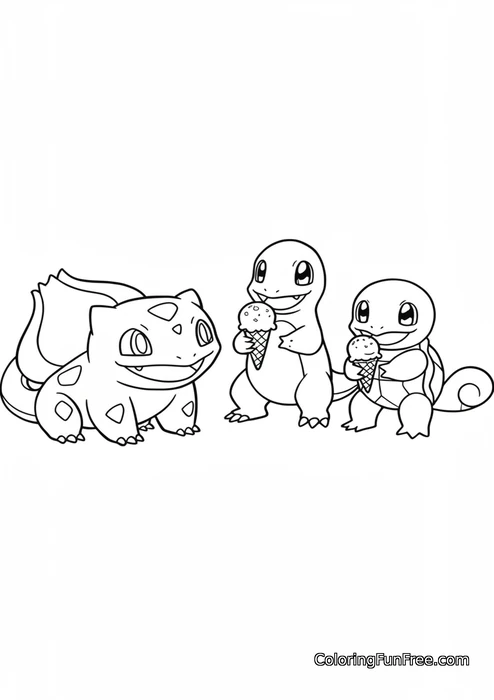
Pokemon bulbasaur charmander squirtle
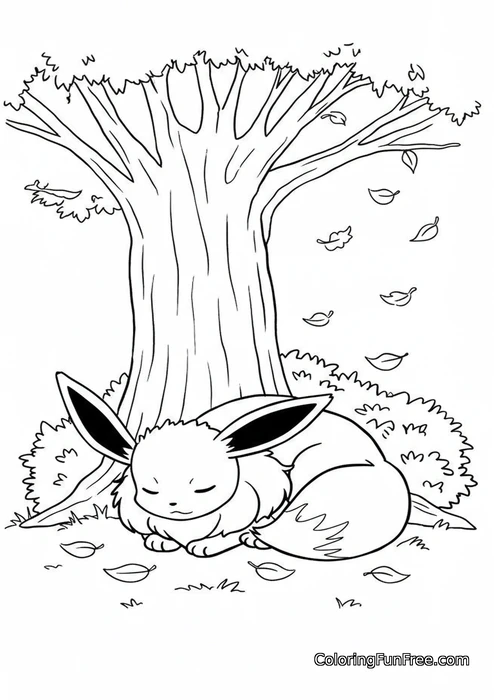
Pokemon eevee sleeping under tree
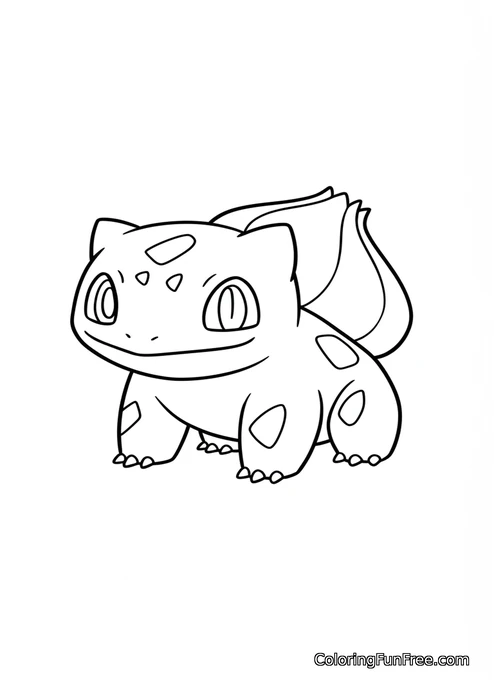
Pokemon bulbasaur standing
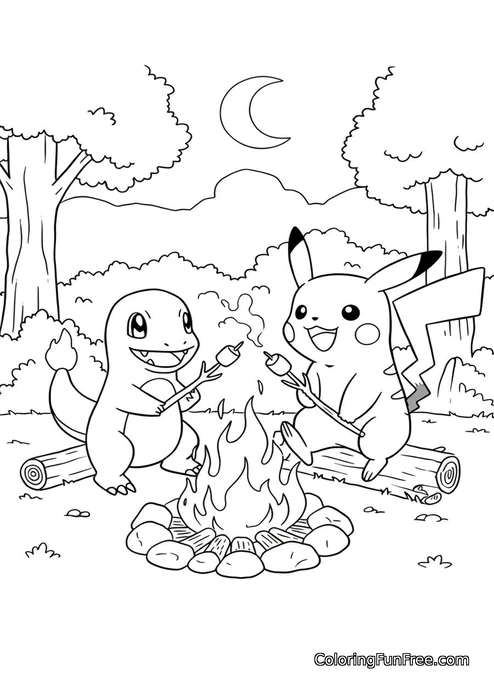
Pokemon charmander and pikachu campfire marshmallows
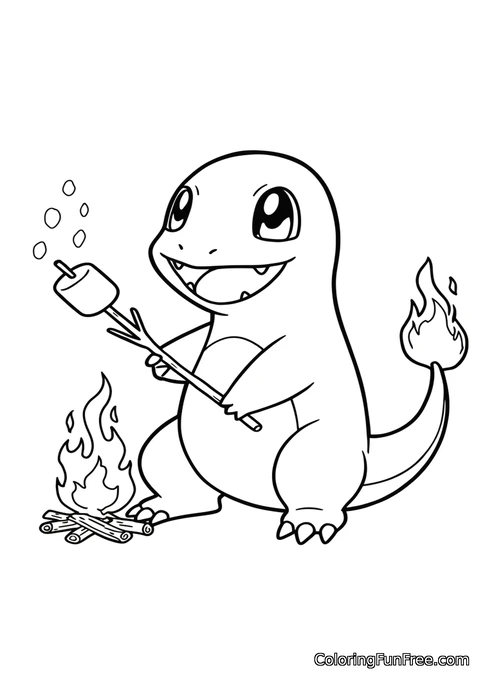
Pokemon charmander roasting marshmallow
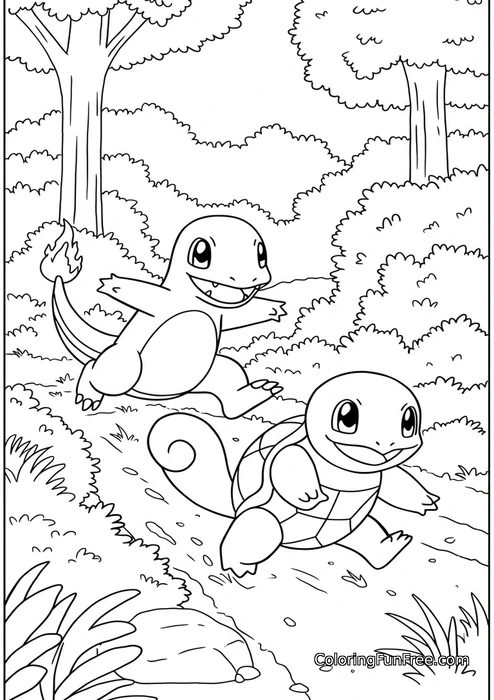
Pokemon charmander and squirtle running forest
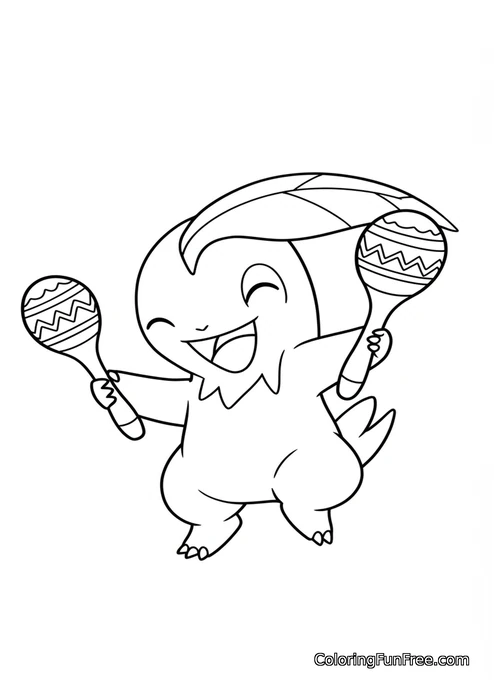
Pokemon chikorita playing maracas
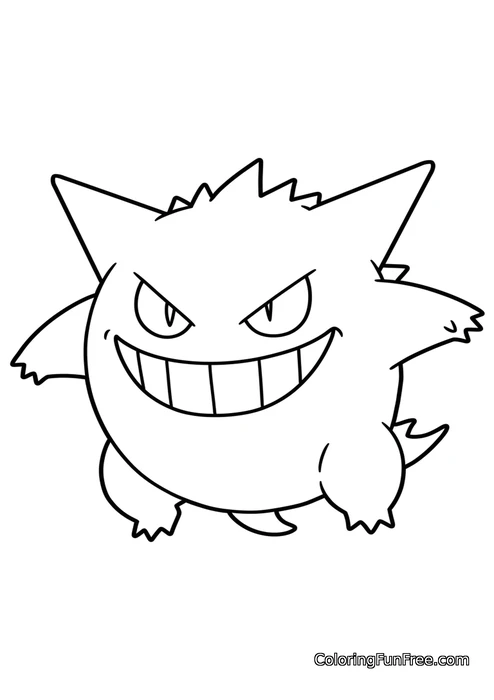
Pokemon gengar grinning
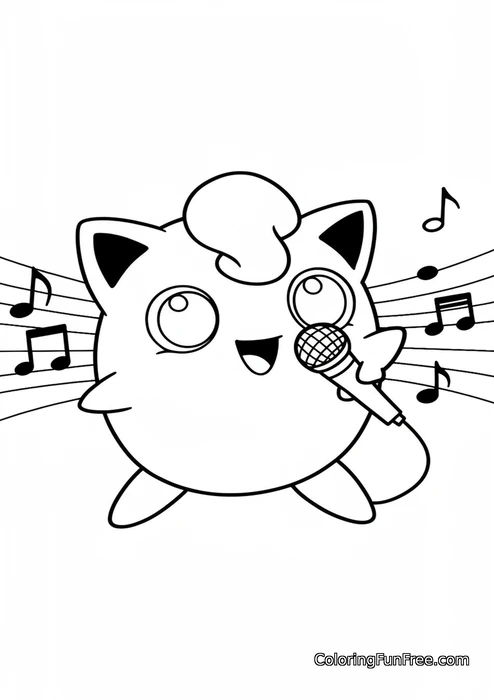
Pokemon jigglypuff singing microphone
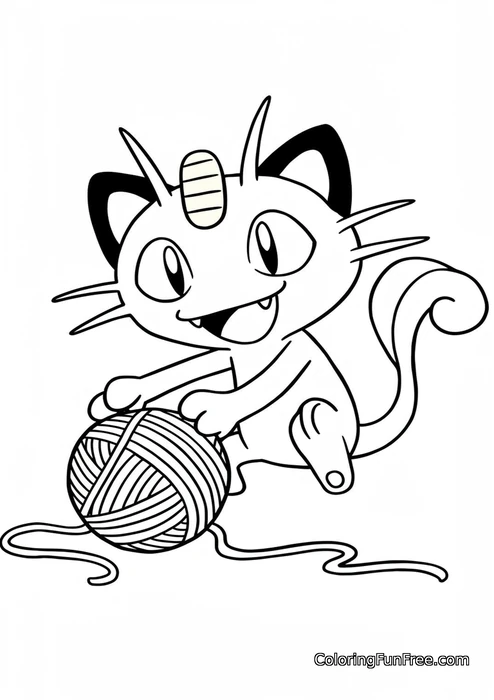
Pokemon meowth playing with yarn
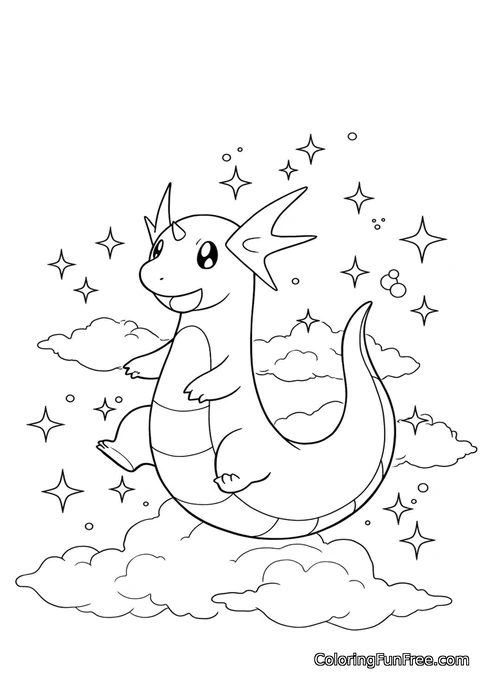
Pokemon dragonair on clouds sparkles
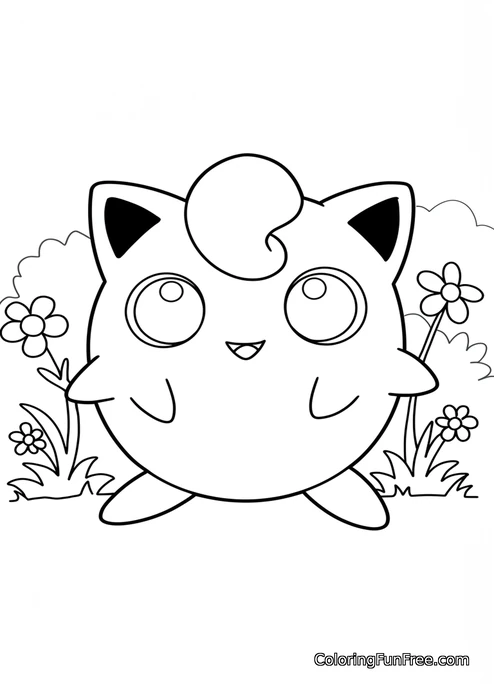
Pokemon jigglypuff in flower field
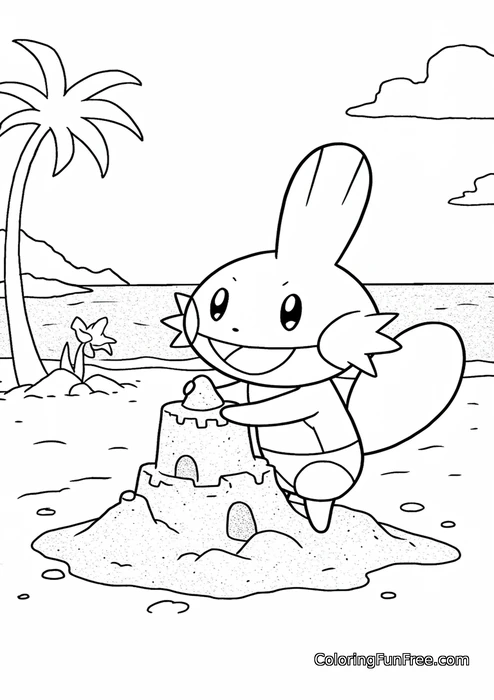
Pokemon mudkip building sandcastle
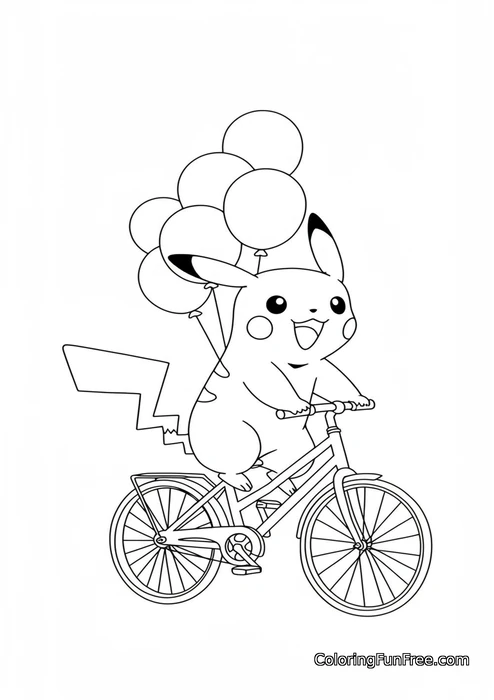
Pokemon pikachu riding bicycle with balloons
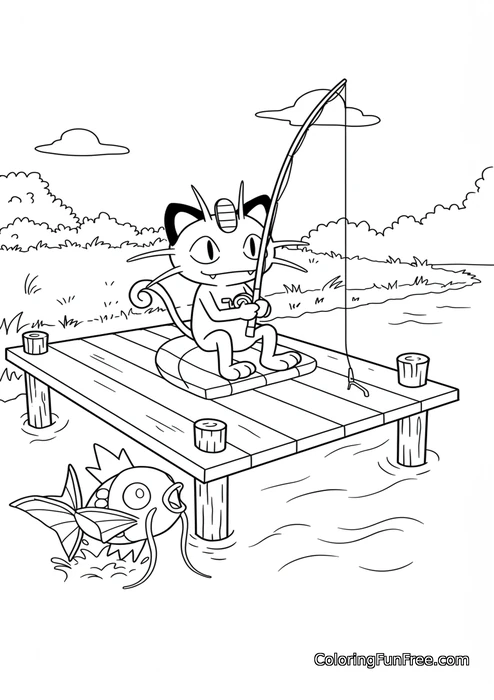
Pokemon meowth fishing
Pokemon pichu and pikachu hugging
Pokemon pikachu decorating christmas tree
Pokemon pikachu sitting in flowers
Pokemon pikachu and eevee playing in rain
Pokemon pikachu holding be my friend heart
Pokemon psyduck confused with ducklings
Pokemon snivy reading book
Pokemon squirtle blowing bubbles
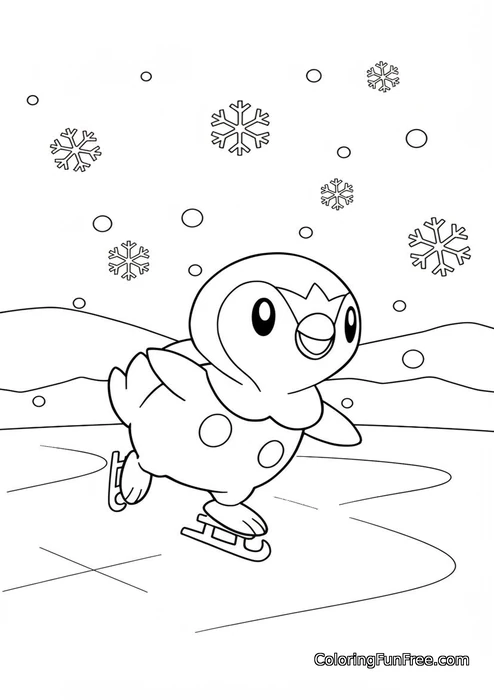
Pokemon piplup ice skating
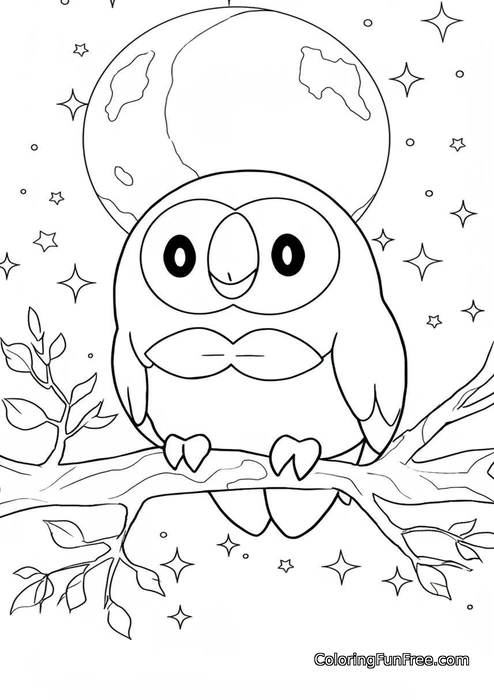
Pokemon rowlet on branch moon
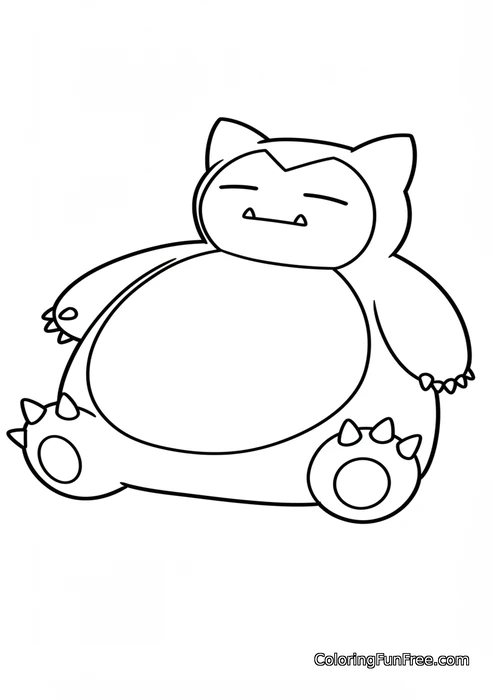
Pokemon snorlax sitting
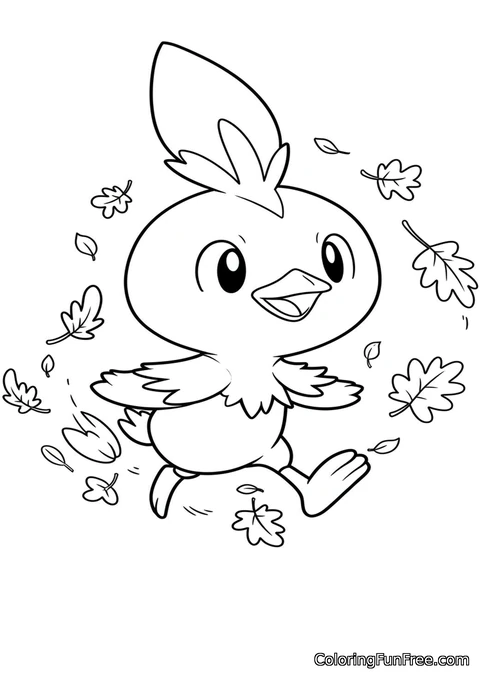
Pokemon torchic playing in autumn leaves
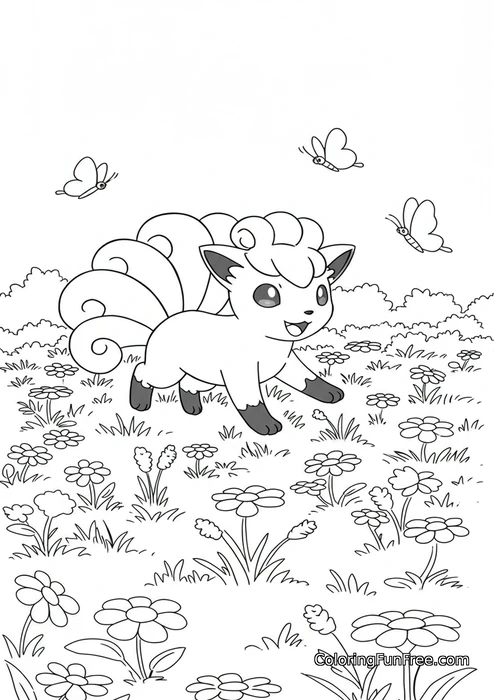
Pokemon vulpix alolan in flower
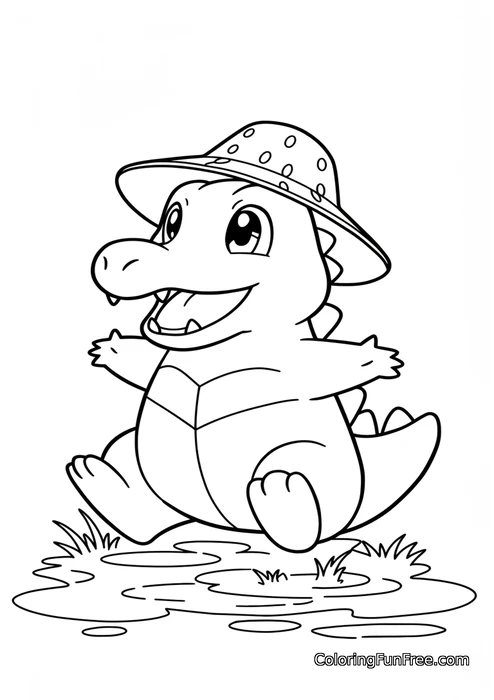
Pokemon totodile wearing hat mud puddle
There's a special moment at coloringfunfree.com that occurs more often than almost any other theme in our collection. A child sits down for a page with Pikachu, gets halfway through, and then turns around to correct the sibling who suggested making him green. Not curious about what green is. Not open to green. Definitely against green. Such is the experience of coloring Pokémon in one short episode. The child isn't exploring color freely - they're bringing to life a vision they already had before the page hit the table. These Pokémon coloring pages are different from coloring a flower or a dinosaur, where technically any color can be used. Pokémon fans have opinions. Strong opinions.
Why Pokémon coloring pages are different from almost every other theme in our collection
The majority of coloring subjects are neutral territory. The lion could be purple. The house can be blue. No one really minds. Pokémon are different because the kids who want to color these worksheets already have an established relationship with the characters. They've watched anime. They've held trading cards in their hands. Some of them have their own opinions on the mix of types. When they sit down for free Pokémon coloring pages, they're not discovering a character - they're recreating what they already know. This changes the whole idea of how the session is going.
It also changes what makes a sheet good. Sketching Charizard with misshapen wings or Snorlax looking vaguely like another round Pokémon - the kids notice it. We've noticed it too - from the reviews and the number of prints. The sheets that our site comes back to again and again are the ones that are recognizably right, not just recognizably cute.
The proliferation of franchises makes this almost inevitable. The latest Pokémon video game sold 6.5 million copies in its first week of release, and the movie Detective Pikachu grossed $433.2 million at the global box office - figures recorded by The Toy Zone. With this level of cultural saturation, it's safe to say that most kids between the ages of 4 and 12 have already encountered Pokémon in one form or another before picking up a pencil for one of these worksheets. These aren't newcomers. These are fans who have come to get some work done.
It's really helpful for the parent or caregiver handing over the sheet to know this. Don't expect limitless experimentation. Expect focus. Expect a child who wants the orange to be just right, the flames to be the right shade, the eyes to be exactly right. It's not a problem - it's a feature. Pokémon coloring sessions tend to last longer and turn out more neatly than sessions with unfamiliar subjects, precisely because the child cares about the outcome.
Here's a look at the characters we color at coloringfunfree.com, and what makes each one print-worthy:
- Charizard is the most complex coloring subject in the collection. Two shades of orange, teal wings, a fiery tail, and a belly that's supposed to be lighter in color than the body. Children ages 7 and up tend to take him seriously.
- Eevee is a deceptively simple outline with a fur collar that encourages real decisions to be made. Officially, the collar is a pale cream color, but almost every child has their own version. One of our most printable sheets across all age groups.
- Pikachu is a classic entry point. Big yellow areas, clean lines, simple enough for three year olds but with enough facial detail to keep older kids happy too.
- Bulbasaur is an unusual subject to color because the blue-green body and teal-green bulb require a child to think about color relationships. A quiet favorite among children who like to mix.
- Snorlax is basically one large shape, making it ideal for very young children or for quick activities. Surprisingly popular with kids who usually don't want to sit still.
- Mewtwo - minimal color palette (mostly gray and purple) that puts emphasis on staying inside intricate lines. Best suited for children ages 8 and up with appropriate patience.
Variation matters because coloring with Pokémon is not a single experience, but a spectrum of complexity, detail and emotional investment, depending on which character the child gets.
The characters that get printed most often - and what that tells us about kids 3 to 12
We pay attention to which sheets are printed most often on coloringfunfree.com, and the data is pretty consistent, with Charizard, Eevee, and Pikachu topping the list. What's interesting is not only that these are popular characters, but also why they are so good specifically as coloring subjects. They each offer something structurally different, and together they cover almost the entire range of what kids ages 3 to 12 are capable of and drawn to.
Pikachu is printed most by parents of younger children. Its design is forgiving - large areas that are easy to fill in, a face that is recognizable even if the coloring is approximate. For a three-year-old who needs Pokémon coloring pages to print, Pikachu is almost always the right answer. The sheet doesn't penalize inaccuracy.
Eevee is a different matter. It's the most evenly distributed across age groups of any sheet we have, and we think we know why. The design has special qualities that aren't immediately apparent: it's symmetrical but not boring, detailed but not overwhelming, and there's only one design element - the collar - that involves individual interpretation. Each child turns out a slightly different Eevee. This creative tension between "I know what Eevee looks like" and "what color is the collar really?" is what keeps the sheet interesting in a way that a fully-predetermined design simply isn't.
According to Bulbapedia's National Pokédex, there are 1,025 Pokémon species in Generation 9. That's a staggering number, and for a child navigating this universe, having a familiar character on a coloring page is partly about connection - a way to spend time with something they already love in a format that is slow, tactile, and self-contained.
Age appropriateness matters more for Pokémon than for other coloring pages. Here's how we think about it:
- Ages 3-5: Large, simple outlines with minimal detail on the inside lines. Pikachu, Snorlax, Jigglypuff. The goal is to fill in color, not accuracy. These worksheets are also suitable for children working on grip and control - a fact supported by published research from Springer Nature showing that children ages 4-5 who color regularly show marked improvements in fine motor coordination and grip stability, as documented in Springer Nature Communities.
- Ages 6-9: medium complexity with lots of interior detail. Eevee, Bulbasaur, Squirtle. Children at this age can do layered coloring and begin to care about neatness. Eevee's coloring pages are especially well suited for this window.
- Ages 10-12: highly detailed sheets, pages with evolution chains, and compositions of multiple characters. Charizard, Mewtwo, and Umbreon. These kids need a challenge and often color in stages over several sessions.
Another thing the popularity data tells us: kids looking for Pokémon coloring pages rarely browse. They come in knowing which character they want. A child who wants Eevee will not settle for Pikachu. This has shaped the way we organize our collection - by character, not by difficulty - because that's how kids really think about it. If you want to see how we approach other character-centric collections, our Captain America coloring books follow a similar logic: a recognizable character, clear design expectations, and high demand from kids who already know exactly what they want.
We've also noticed that Pokémon print sessions tend to generate more repeat visits than seasonal themes like Thanksgiving coloring. A child who printed Pikachu in January will return for Charizard in February. This franchise creates loyal users in a way that holiday themes simply don't.
Charizard, Eevee, and the sheets that started the controversy in our office
When we created the Pokémon collection at coloringfunfree.com, Charizard caused the most internal controversy. Namely, whether to use shiny Charizard or standard Charizard. The shiny Charizard is black with red wings - visually striking, immediately recognizable to fans, but really confusing on the black and white outline because the reference colors are very different from the standard ones. We settled on both, and the standard version is triple printed. Kids know what they're going to color before they even print it. They don't want surprises from the printer.
The Eevee controversy was different. We tested sheets with detailed backgrounds and clean outlines of a single character, and the results weren't even close. Eevee with a busy forest background was abandoned halfway through. Eevee with a clean white background is finished to the end. The background detail competes with the character, and for a child who came to color Eevee specifically, the background is an obstacle, not an improvement.
Free printable Pokémon coloring pages work best when the design takes into account what the child actually wants to do: color the character. Simple framing, clean lines, enough detail to be fun, but not so much that it becomes a project that requires adult help. That's the balance we strive for throughout our Pokémon section.
Pokémon coloring pages - what actually comes out of the printer and why it matters
Pokémon drawings - especially the later generations - have a lot more detail in the interior lines than most coloring pages. A Florges or Golisopod has more going on inside the outline than a whole page of farm animals. This detail is part of what makes coloring Pokémon enjoyable for older kids, but it becomes a real problem if the print quality isn't up to par.
Thin lines close together on poor quality prints blur and become indistinguishable. A child trying to color between lines that he or she cannot see clearly will quickly become frustrated. To print Pokémon coloring sheets well, we format our files so that line thicknesses are sufficient for standard home printer settings, not just laser-sharp commercial printing. It's a small detail that makes a big difference to the actual experience of using the sheet.
For younger children, we actively recommend simpler character sheets, regardless of what the child asks for. A four-year-old who wants Charizard might be more suited to a slightly simplified sketch - fewer internal scales, cleaner wing divisions - than a fully detailed, competition-level illustration. The goal is a finished page that your child will be proud of, not a technically accurate drawing that they gave up on after five minutes. Our dolphin coloring pages follow the same principle - clean lines, age-appropriate complexity, and the ability to print without hassle on regular household paper.
What happens when a child who "doesn't like coloring" gets a Pokémon coloring sheet
We hear it pretty regularly from parents: their child doesn't like coloring books, has never liked them, thinks they're boring - and then someone hands them a page with Charizard, and suddenly forty minutes go by without a hitch.
Pokémon is one of the rare subjects that genuinely transforms reluctant coloring students, and the reason for this is not complicated. The child already has a relationship with the character. The sheet isn't introducing them to something new - it's giving them access to something they already care about, in a format that happens to require crayons. The motivation isn't "I want to color." It's "I want to spend time with Charizard." Coloring is just a mechanism.
This distinction matters. That's why simply handing a resistant child any coloring page doesn't work, but handing them a page with their particular favorite Pokémon often does. Emotional connection ensures engagement. We've seen kids who considered coloring pages "for toddlers" spend an entire session coloring Mewtwo, fully immersed in the process because Mewtwo mattered to them.
If you're looking for a similar dynamic with other subjects your child loves - characters they already know and want to not just color, but color correctly - our free ambulance printables are a good fit for kids with a passion for vehicles and rescue themes. The principle is the same: first the interest, then the coloring. A finished page with Pikachu, taped to the fridge by a child who swore that coloring was not for him - that's what these sheets are really for.