Valentine’s Day coloring pages
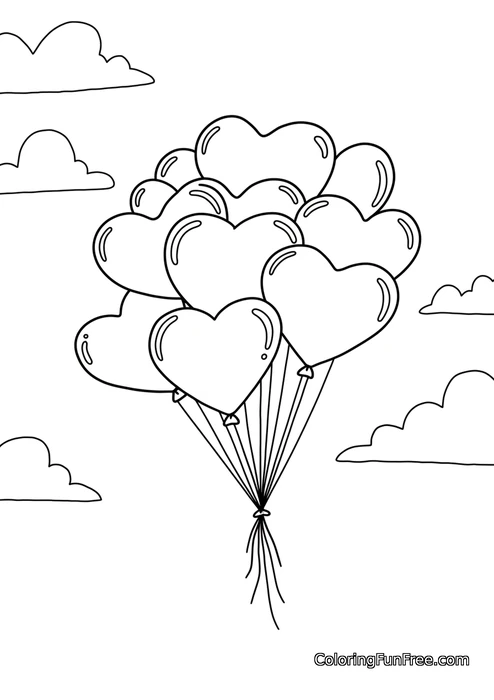
Bunch heart balloons
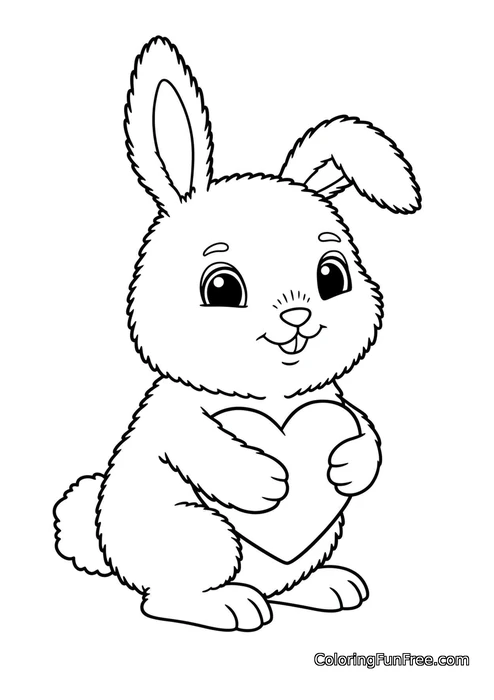
Bunny holding heart

Butterfly heart wings

Cat holding heart

Cupcake cute face heart sprinkles

Elephant spraying hearts

Envelope heart seal

Floating heart balloons
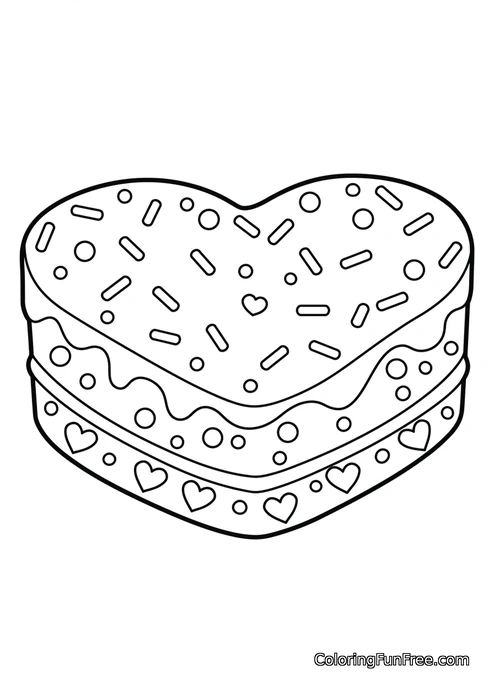
Heart shaped cake sprinkles
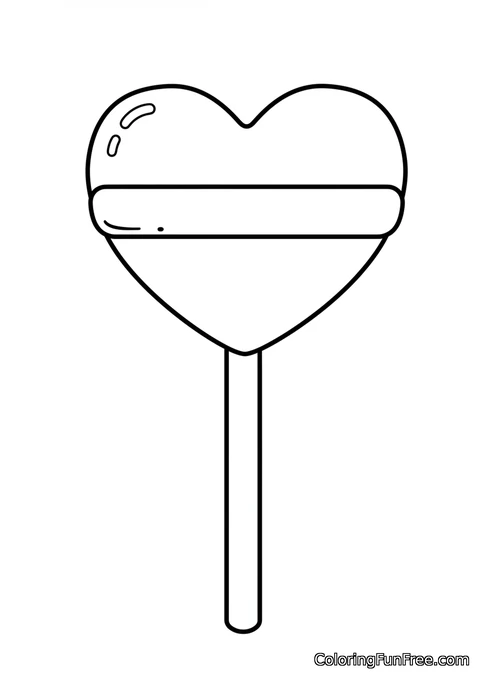
Heart shaped lollipop
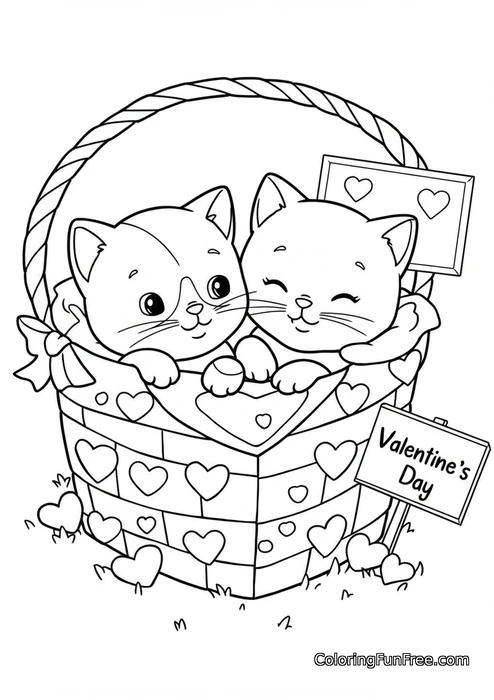
Kittens in basket
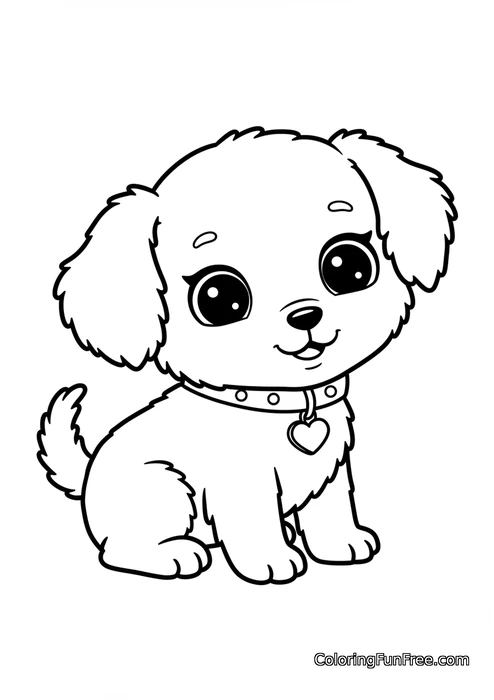
Puppy heart collar tag
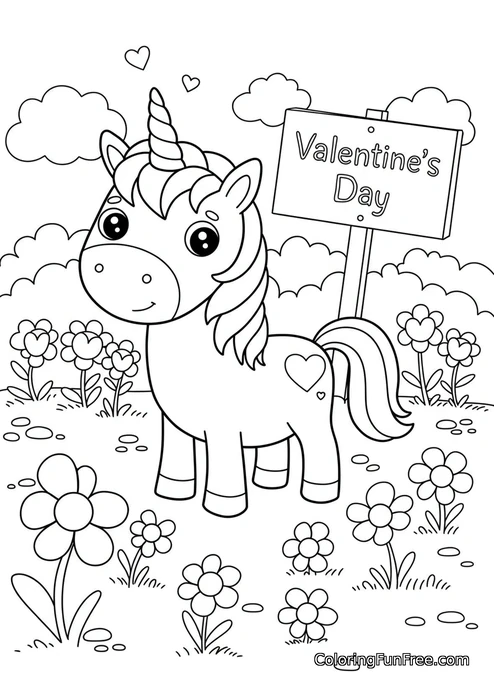
Unicorn valentine's day
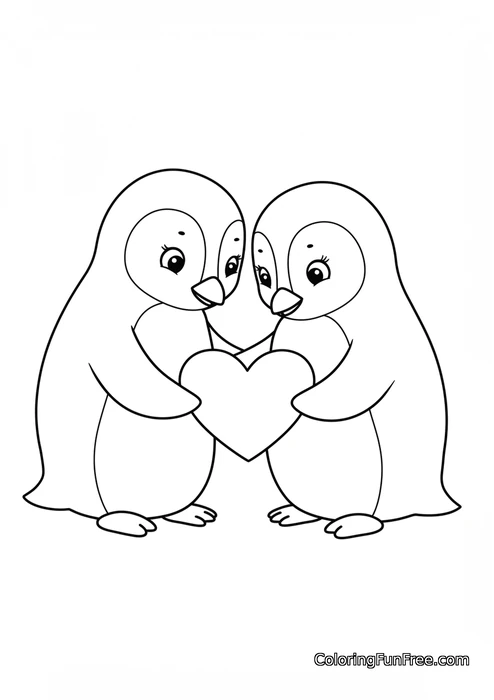
Two penguins holding heart
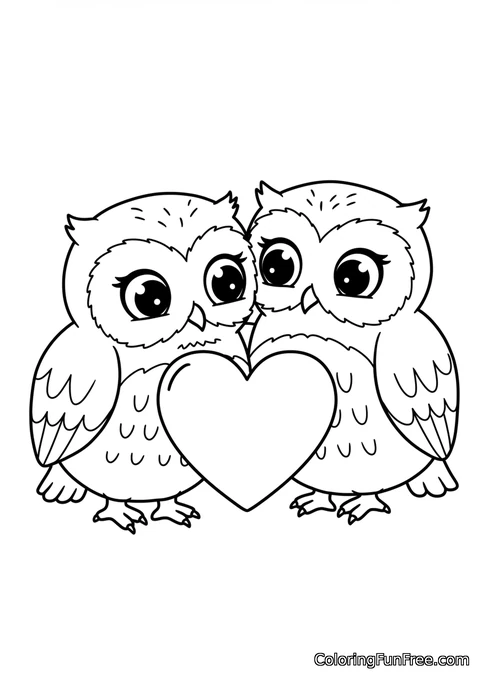
Two owls with heart
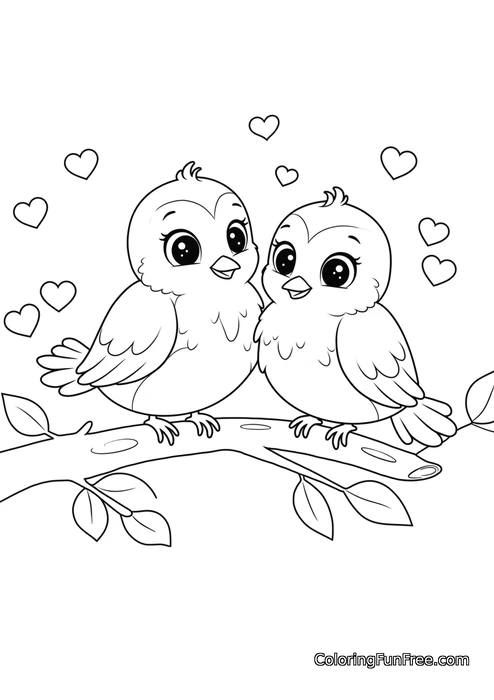
Two birds on branch hearts

Train carrying hearts

Rainbow raining hearts
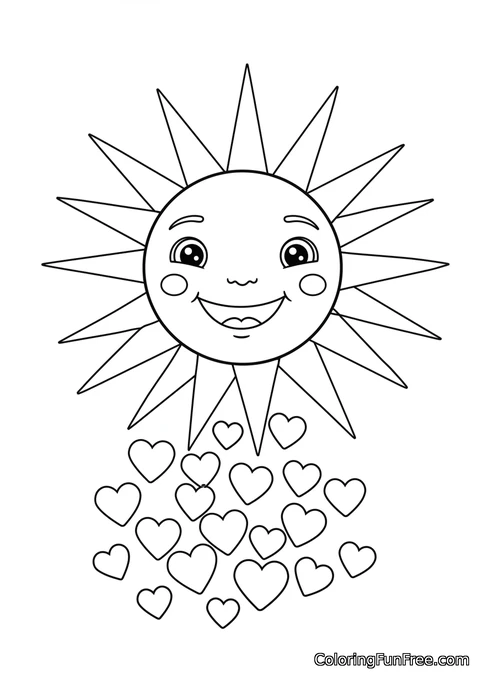
Sun raining hearts
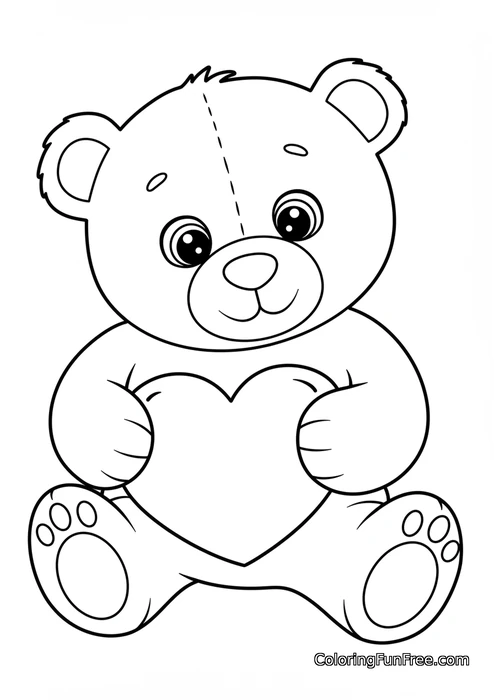
Teddy bear holding heart
Valentine's Day is a strange holiday if you're seven years old
Valentine's Day coloring pages are available on coloringfunfree.com for a reason that goes a little beyond “kids love hearts.” It’s one of those holidays that looks simple on the surface—pink, red, hearts, done—but is actually pretty strange territory for a child under eight. Think about what it demands of them. You go to school, hand out a card to every kid in the class—including the one who spilled your lunch last Tuesday—and are supposed to feel good about it. The emotions behind all this—romantic love, affection, longing—are abstract in a way that Christmas and Halloween simply aren’t.
Halloween is concrete. You put on a costume, you get candy. Christmas is about gifts and the story. But Valentine’s Day is built on a feeling that most children can name but haven’t yet found within themselves. This gap between doing and understanding is real.
Coloring books fill this gap exceptionally well. At four years old, you don’t need to explain what love is. You just pick up a red crayon and color a heart. This activity gives children a physical connection to a holiday they are just beginning to understand—and that’s no small thing. That, in fact, is the main reason we put so much effort into this collection.
According to the American Academy of Pediatrics, coloring helps children develop fine motor skills, hand-eye coordination, and concentration—which means that even a simple heart outline does more than meets the eye.
What’s actually in our Valentine’s Day coloring collection
The coloring collection on coloringfunfree.com currently covers a wide enough range that both 3-year-olds and 9-year-olds can find something useful for themselves without getting bored or disappointed. This didn’t happen by accident. For several years now, we’ve been tracking which activities are downloaded most frequently in January and early February, and we adjust the collection based on what parents are looking for on our site.
The difficulty range extends from simple large shapes with almost no internal details—for children who are just learning to stay within the lines—to multi-element compositions with 15 or more separate coloring areas. Both ends of this spectrum matter. A sheet that’s too difficult for a toddler won’t just go unused—it will also cause frustration that might turn the child off coloring for days. One that’s too simple for an older child—and they’ll finish it in 90 seconds and forget about it.
The most common themes—and a few that might surprise you
The collection covers more than just the obvious territory of hearts and arrows. Here’s a breakdown of what’s actually in it, with some notes on who typically uses each category:
- Classic heart shapes—single hearts, clusters of hearts, heart borders. By far the most downloaded category. Depending on the version, suitable for children ages 3 and up. Toddlers get rough outlines of single hearts; older children get more detailed and decorated versions.
- Animals holding or wearing hearts—bears, cats, dogs, and rabbits with heart-shaped props. Parents choose this category when they want something that evokes Valentine’s Day but doesn’t rely too heavily on romantic symbolism. A great choice for class parties with a mixed age range.
- Cupid—surprisingly popular among children ages 6–9 who love mythology. The winged, arrow-wielding Cupid has more areas to color than almost anything else in the collection, making it a great challenge sheet.
- XOXO lettering and text designs—pages filled with letters—are well-suited for children who are just learning to read. There’s something satisfying about coloring a recognizable word. Once colored, they can also be used as templates for homemade cards.
- Flowers—roses and tulips appear in the Valentine’s Day collection precisely because they are traditional images for gifts. They are popular among children who prefer natural objects over symbolic imagery like hearts with arrows.
- Simple scenes—several pages feature small characters exchanging cards or sitting together. These are the most story-driven sheets in the collection, which typically encourage children to tell stories while they color, which is their own advantage.
If your child is drawn to coloring pages with characters, it’s worth knowing that this same instinct manifests itself in completely different festive contexts—our blue coloring pages are a good example of how familiarity with characters fosters engagement, which cannot be said about sheets with plain patterns.
Why the heart shape is harder to color than it seems—and what it actually teaches
The heart is one of the most recognizable symbols on earth. A 3-year-old can recognize it immediately. What a 3-year-old can’t always do is color it successfully, and this gap is more interesting than it seems.
The heart shape has two curves at the top and a sharp point at the bottom. For little hands, this very point is the most difficult part. Controlling a pencil precisely enough to enter a narrow corner and exit it without going outside the lines requires true fine motor coordination—the kind that develops gradually between the ages of 3 and 7, not all at once. A 4-year-old child who colors outside the lines on a heart isn’t doing it wrong. They are doing exactly what their hand development at this age allows.
What happens when a 4-year-old colors a heart for the first time
We observed how heart-shaped worksheets were downloaded for quite some time and noticed something special: very large, simple heart outlines—those with thick lines and a huge area to fill in—are invariably downloaded more often by the 3–5-year-old age group. Parents instinctively choose the right level of difficulty, even if they aren’t consciously thinking about it in those terms. They can tell at a glance that a tiny, intricate heart isn’t suitable for their child. The simpler version looks easier to complete.
It is worth paying attention to what actually happens during coloring. A 4-year-old child, working on a heart-shaped outline, trains to control the direction of the stroke, learns to recognize boundaries and adjust the pressure accordingly, and develops hand-eye coordination, which directly affects writing skills. The fact that this heart is a symbol that the child already associates with something warm and familiar adds an additional level of motivation that a random geometric shape would not provide.
At the age of 6-7, most children are in control enough to handle the pointed tip carefully. At this stage, the task shifts from motor activity to aesthetic choices: what color, how dark, whether to stay strictly within the lines, or to treat the outline as a suggestion. This change in the way a child interacts with the same basic shape is one of the most visible markers of fine motor development that you can observe at home without any formal assessment.
If you're looking for a point of comparison outside of the context of Valentine's Day, the rounded shapes of our Piggy Pig Coloring Pages provide younger children with similar motor practice using soft contours.
Choosing the right coloring page for your child - Valentine's Day coloring pages are not one-size-fits-all
The most common mistake when printing Valentine's Day coloring pages is assuming that the collection is interchangeable. This is not the case. A coloring book that is ideal for a 7-year-old child will sincerely disappoint a 3-year-old, not because the younger child is less capable in a general sense, but because the specific requirements of the coloring book - the number of areas to color, the width of the lines, the complexity of the shapes - do not match the child's level of motor development.
The 6-Year Difference That Changes Everything
Think about the real difference between a 3-year-old and a 9-year-old approaching the same holiday activity. A 3-year-old needs 3 to 5 large, simple shapes. Thick outlines—at least 3–4 millimeters—matter, because thin lines are hard to see and easier to accidentally cross out. The areas to be colored should be wide enough so that staying within them feels achievable within the first few strokes. At this age, success matters more than complexity.
A 9-year-old works in a completely different mode. They can comfortably work with 15–20 separate areas to fill in. They notice when an image looks realistic and when it’s stylized, and often have specific preferences regarding this. They can mix colors, blend them, or deliberately color outside the expected palette—for example, making a green heart just to see how it looks. Such creative deviation is a sign of confidence, not defiance.
Valentine’s Day images cover this range almost perfectly. A single large heart is suitable for a 3-year-old. A complex Cupid with wings, arrows, a quiver, and a detailed background is for a 9-year-old. Most other holidays don’t offer such a clear distinction within a single themed collection.
How to print these pages without using up half a cartridge
This matters more for Valentine’s Day pages than for almost any other holiday collection on coloringfunfree.com, and here’s why: the preview images for many Valentine’s Day cards have pink and red backgrounds, gradient fills, or blurred titles. These are preview decorations, not part of the printable file. The actual downloaded PDFs are black outlines on white—just as they should be. But if you print from the browser’s preview window without checking the settings first, you might accidentally pull in background color data and waste ink unnecessarily.
One setting most parents change just once and never think about again
Most print dialog boxes have a setting labeled “Background graphics” or “Print background colors and images.” By default, it’s turned off in some browsers and on in others. Check this before printing anything. Turning this option off is the biggest way to save ink, and it takes about four seconds.
- Open a PDF file or webpage in your browser and go to the “Print” menu (Ctrl+P or Cmd+P).
- Find “Advanced Settings” or “Advanced” — this depends on your browser, but it’s usually one click below the main print window.
- Find “Background Graphics” or “Print Background Colors” and make sure the checkbox is unchecked.
- Set the paper size to A4 or Letter depending on your printer and the materials you’ve downloaded.
- If you’re printing for a younger child who finishes quickly, use the “Pages per Sheet” option to fit 2 outlines on one page—this scales them down slightly but saves paper and lets a fast colorist work longer.
- To print very fine lines, make sure the printer is not set to “draft” or “economy” mode—with these settings, line quality drops significantly, and fine outlines almost disappear.
Standard 80 g/m² copy paper works great for chalk and most colored pencils. If your child uses washable markers, slightly heavier paper (90–100 g/m²) prevents bleed-through, which is important if you plan to display the finished page or use it as a card.
Where to start if you’re printing for February 14th and have about 11 minutes
Here’s a practical starting point you can use without overthinking it. For a child under 5, go straight to large outlines with a single heart. One shape, a thick outline, nothing else on the page. Print two or three copies, because children this age often want to redo the sheet, and the second attempt is usually better than the first. Don’t save the second copy as a backup—print it right after you finish the first one.
For children aged 5 to 7, the most reliable starting point is the “animal with a heart” category. A bear or cat holding a heart is perceived as friendly rather than demanding; the areas to fill in are varied enough to call for specific color choices, and the theme requires no explanation of what Valentine’s Day means in a romantic sense. The holiday serves as context, not content.
For children aged 8 and up, sheets featuring Cupid or more detailed floral designs are suitable. At this age, children often want coloring to take longer—20–30 minutes is not unusual for a complex sheet, and this is actually valuable time for a child working through the social complexities of exchanging cards in class. Doing something with your hands while your brain is working on something else is underrated as a tool for overcoming difficulties at any age.
It’s worth noting that according to data from the Greeting Card Association, approximately 145 million Valentine’s Day cards are exchanged in the U.S. each year, making it the second-largest holiday for card-sending after Christmas. For many children, this is a huge number of social interactions crammed into a single school day. A coloring book doesn’t solve that. But it gives the child something quiet and independent to do when they get home.
If your child is already an avid colorer who quickly fills in the pages, you might want to stock up on coloring pages beyond just Valentine’s Day themes. Our frozen coloring pages and free Pokémon printables stay in rotation through February for many families looking to add variety to their downtime without the holiday pressure.
None of this requires a plan. Print out a page, put it on the table with something to color, and let the holiday happen around it. That’s all it takes.