Imagine a seven-year-old sitting down with a boys' coloring sheet that happens to show a butterfly surrounded by flowers. He colors half of one wing. He then puts the pencil aside and walks away. The adult in the room dismisses this as evidence that he "doesn't like to color." This conclusion is wrong. The sheet was wrong.
This happens more often than many people realize. Common coloring books - even those for boys - often feature animals in soft poses, rounded symmetrical shapes, and scenes that lack tension. There is nothing here to enthrall. There is no story implied. There is no mechanical puzzle to be completed. Just an outline that asks a boy to pay 20 minutes of close attention to something he shouldn't care about.
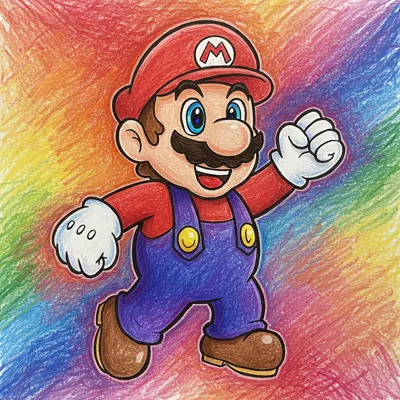
The story is the variable that most parents underestimate when it comes to coloring books. It is assumed that a child either has the patience and fine motor skills for coloring or they don't. But patience for a task is rarely universal - it depends almost entirely on whether the task offers something in return. For a large proportion of boys between the ages of 3 and 12, that payoff is certain categories of images: vehicles, machines, actions, creatures with apparent danger, and scenes with implied movement. When these categories are absent, engagement decreases.
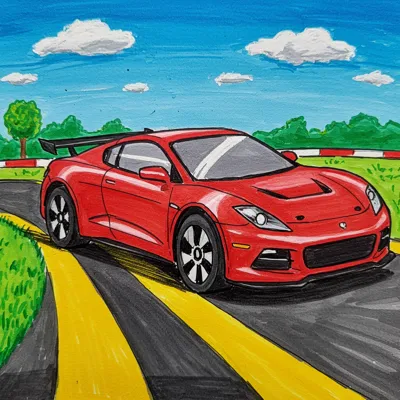
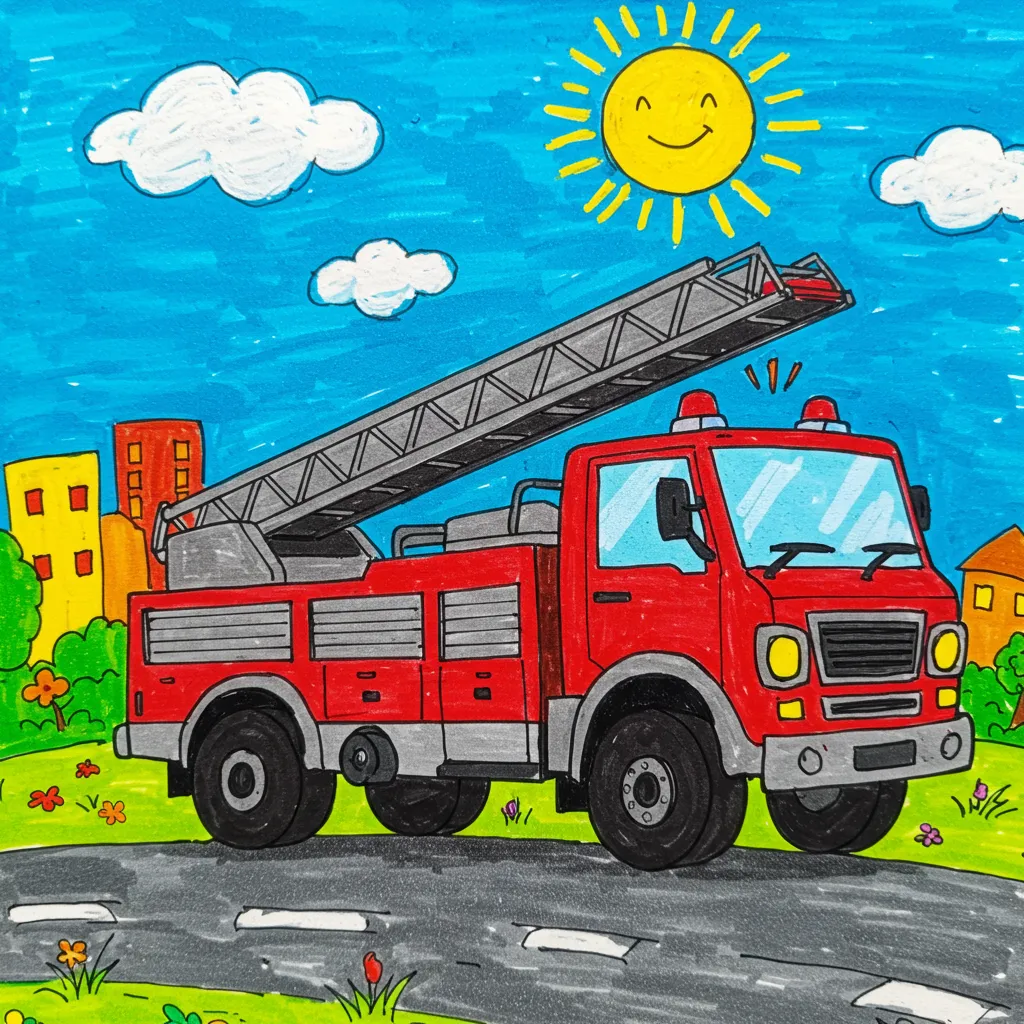
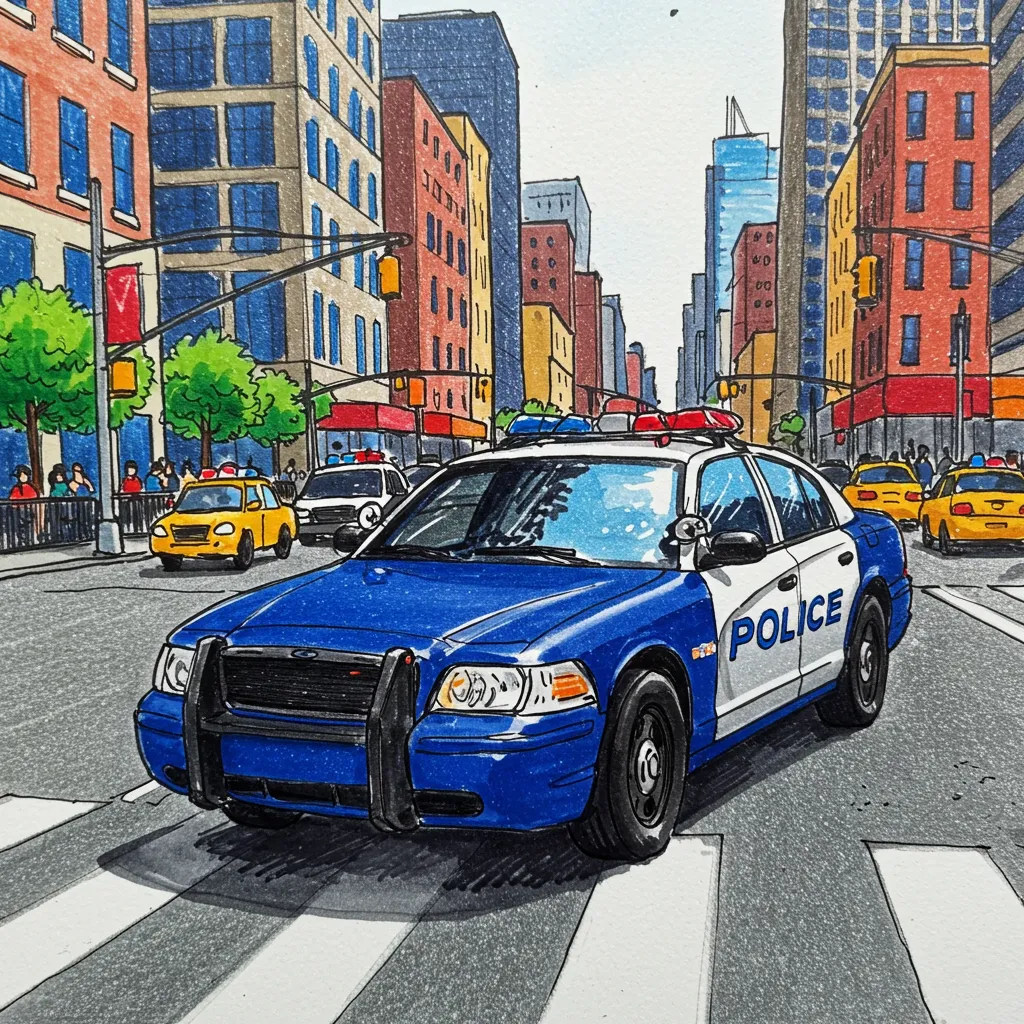
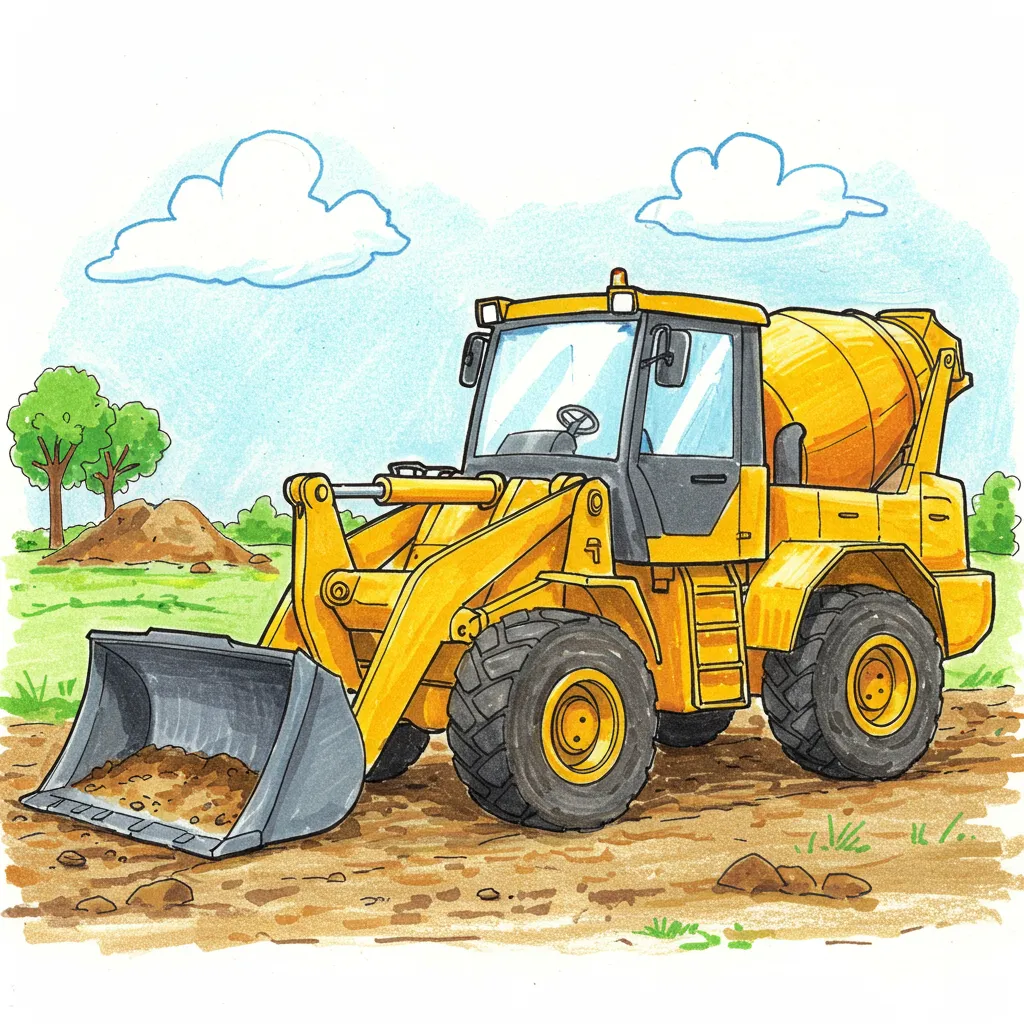
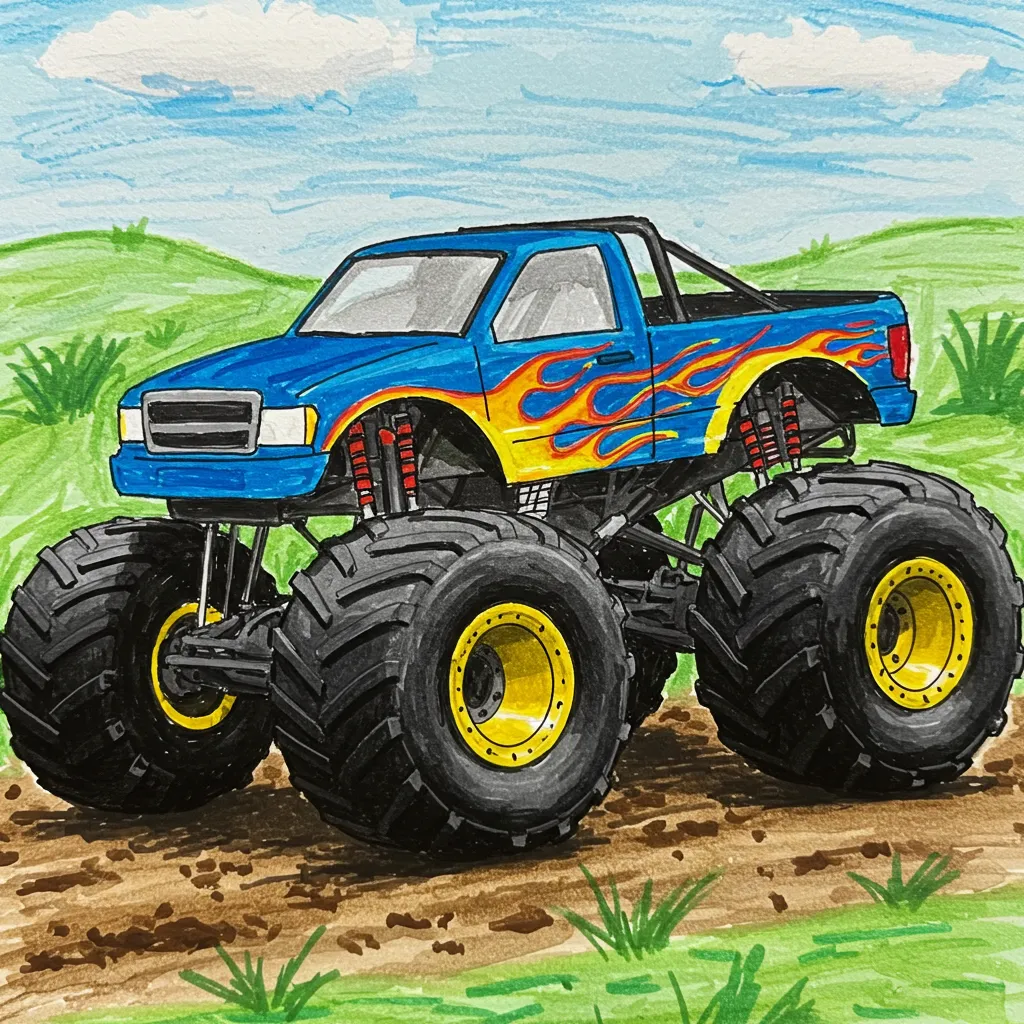
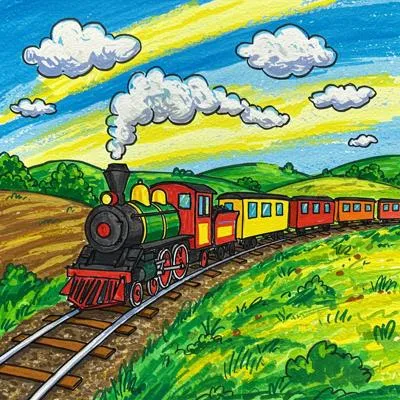
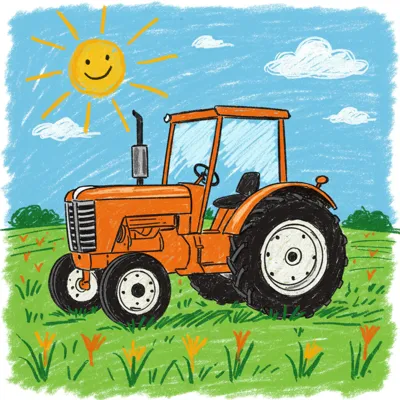
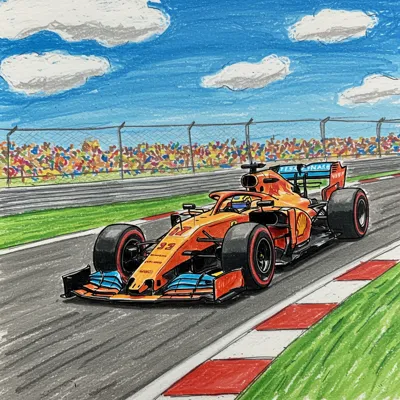
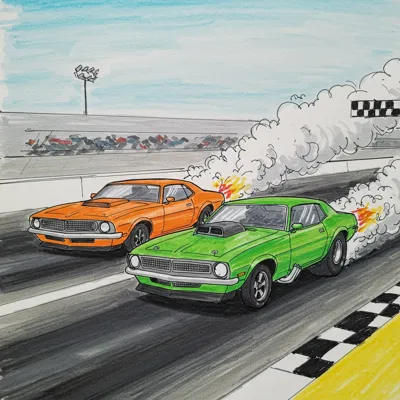
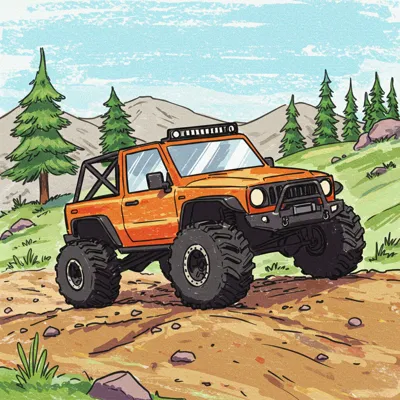
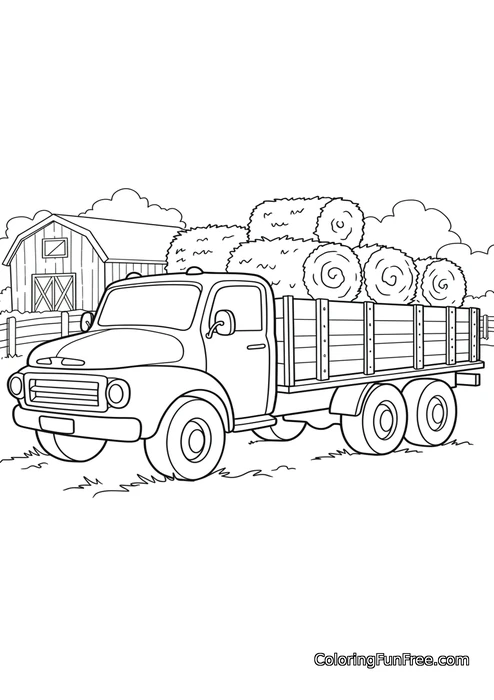
Let's look at why specific thematic categories work not only from a cultural perspective, but also in terms of how children actually interact with the image. Cars and mechanical vehicles offer something that floral patterns don't: internal logic. There are panels, grilles, wheels, exhaust pipes. Each section is a defined space with a visual reason to exist. Boys who gravitate toward the way things work - and there are many of them - find true satisfaction in filling these sections. The printed car sheets for kids in our collection are some of the most reprinted pages we track, and the pattern of usage is telling: the same family prints out the same sheet two or three times because the kid wants to redo it.
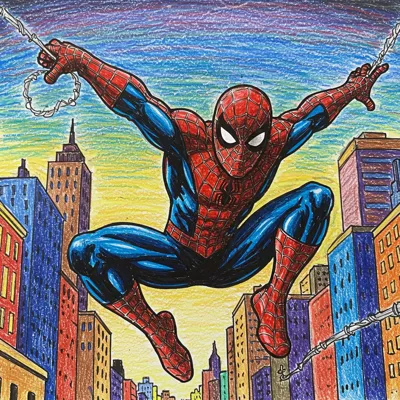
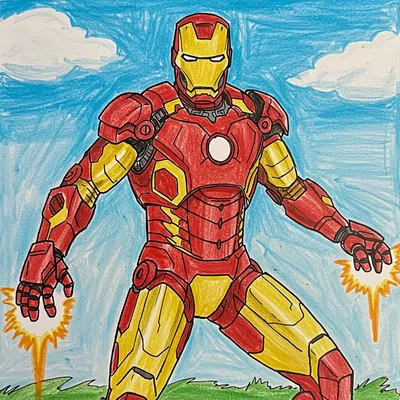
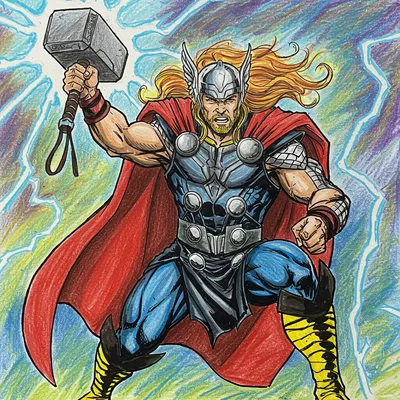
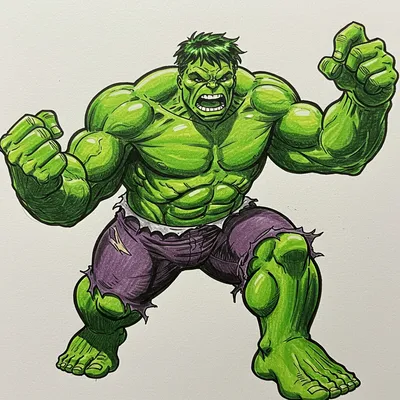
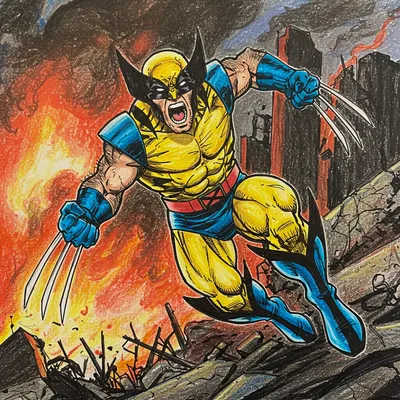
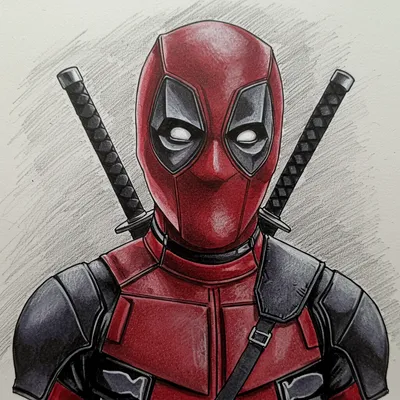
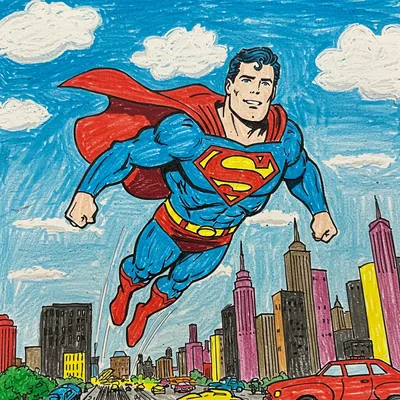
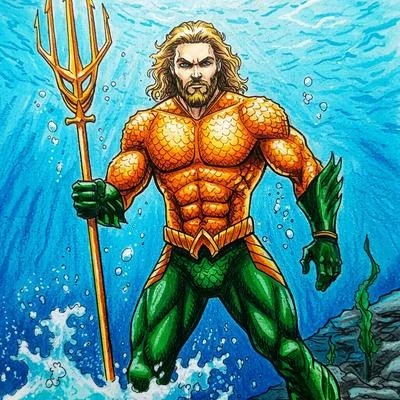
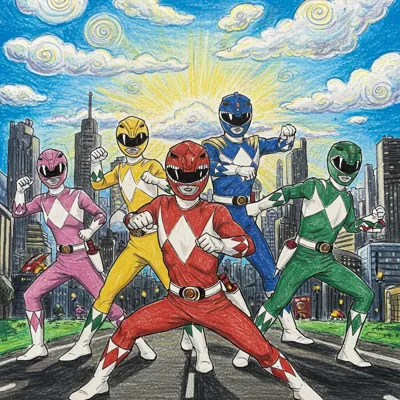
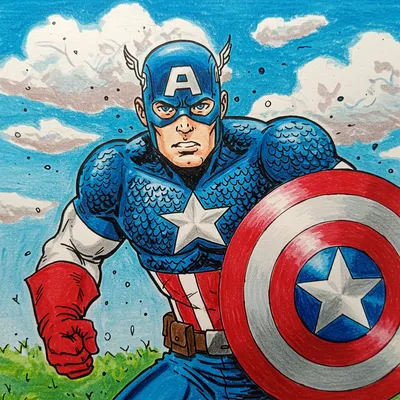
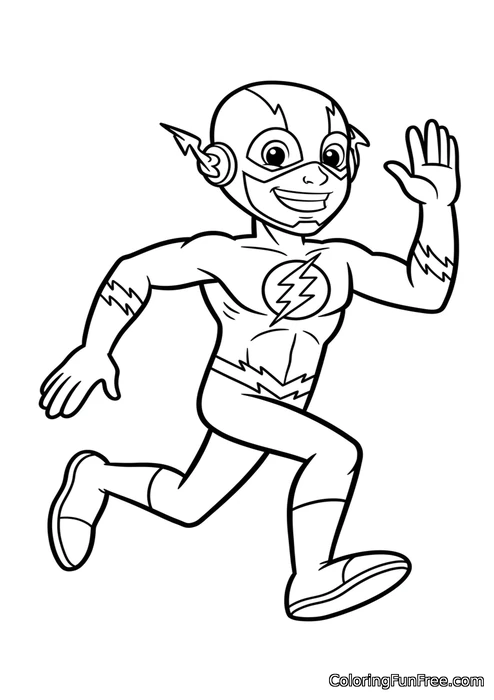
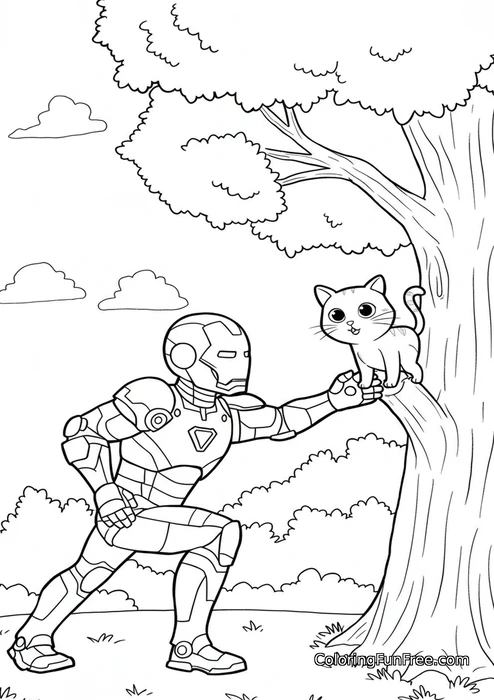
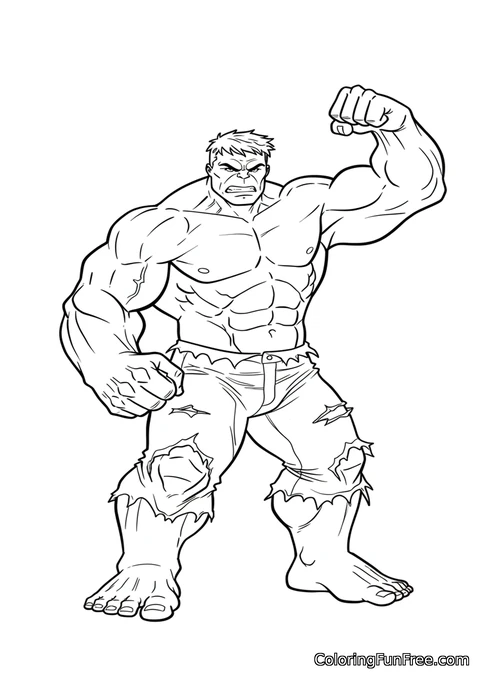
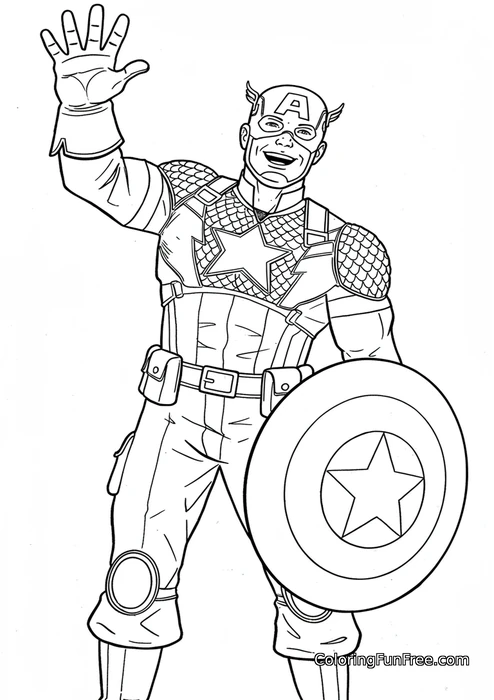
Superheroes work for a different reason - because of the narrative stakes. The superhero in the middle of the drawing is not just a sketch, it's a moment frozen in a story that the child already knows or is actively making up. Coloring this sheet means participating in that story. There is tension in the image. To complete it is to complete something important, and that is a very different psychological experience than completing a symmetrical mandala or a smiling sun.
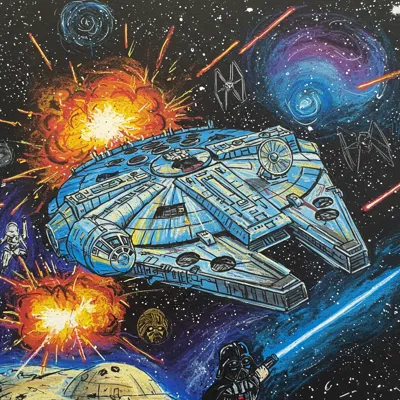
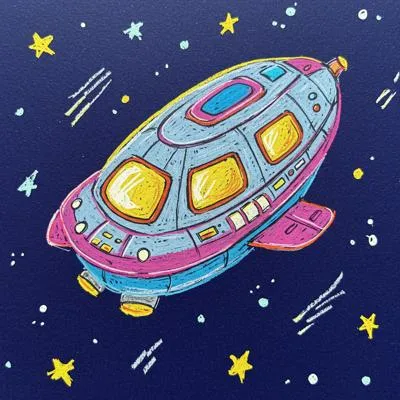
Cosmos and the sheets with the astronauts function because of scale. There is something about the juxtaposition of a small figure in a vast dark space that arouses genuine curiosity in children who are old enough to understand the concept of "very, very far away." The task of coloring becomes almost secondary - the child is thinking about the image while he or she is coloring it. This dual engagement is exactly what keeps the attention long enough to read the page to the end.
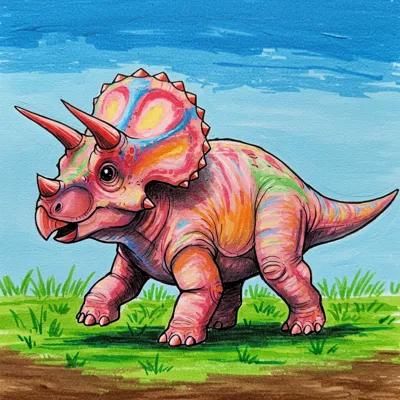
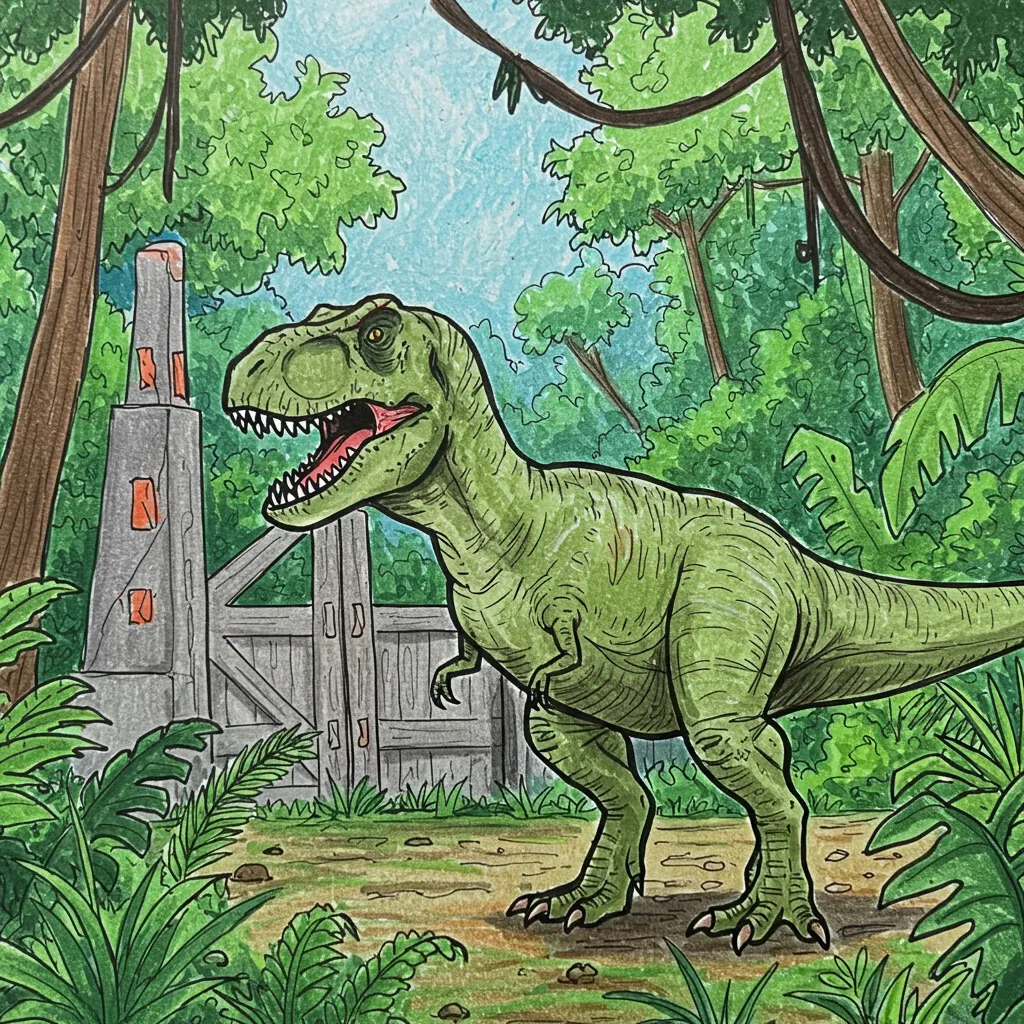
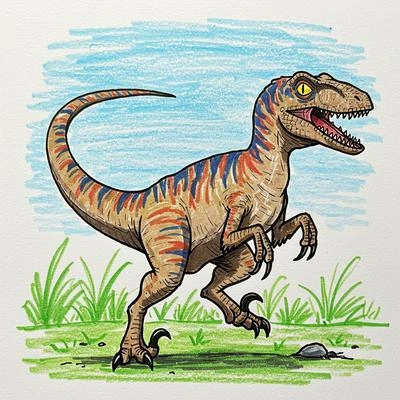
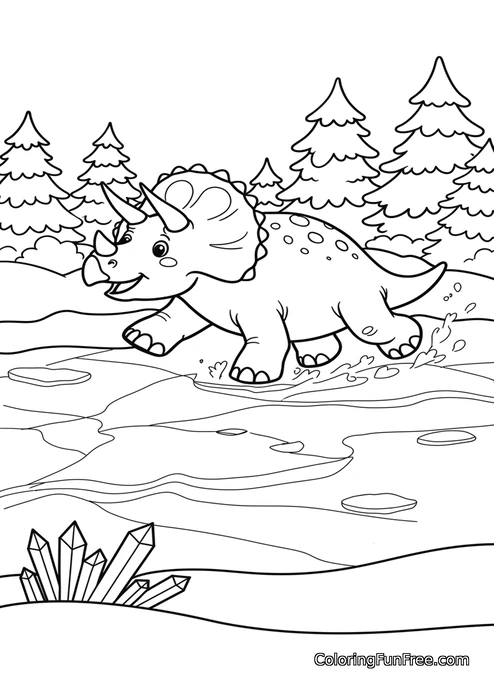
Dinosaurs, especially those that show teeth or growl, are a danger from a safe distance. This is not a trivia question. The opportunity to come into contact with a threatening image in a completely controlled environment with zero consequences is something children actively seek out, which is why monster books are read twenty times and gentle story books are read twice. An open-mouth T-Rex is fun to color in a way that a standing, calm T-Rex just can't be.
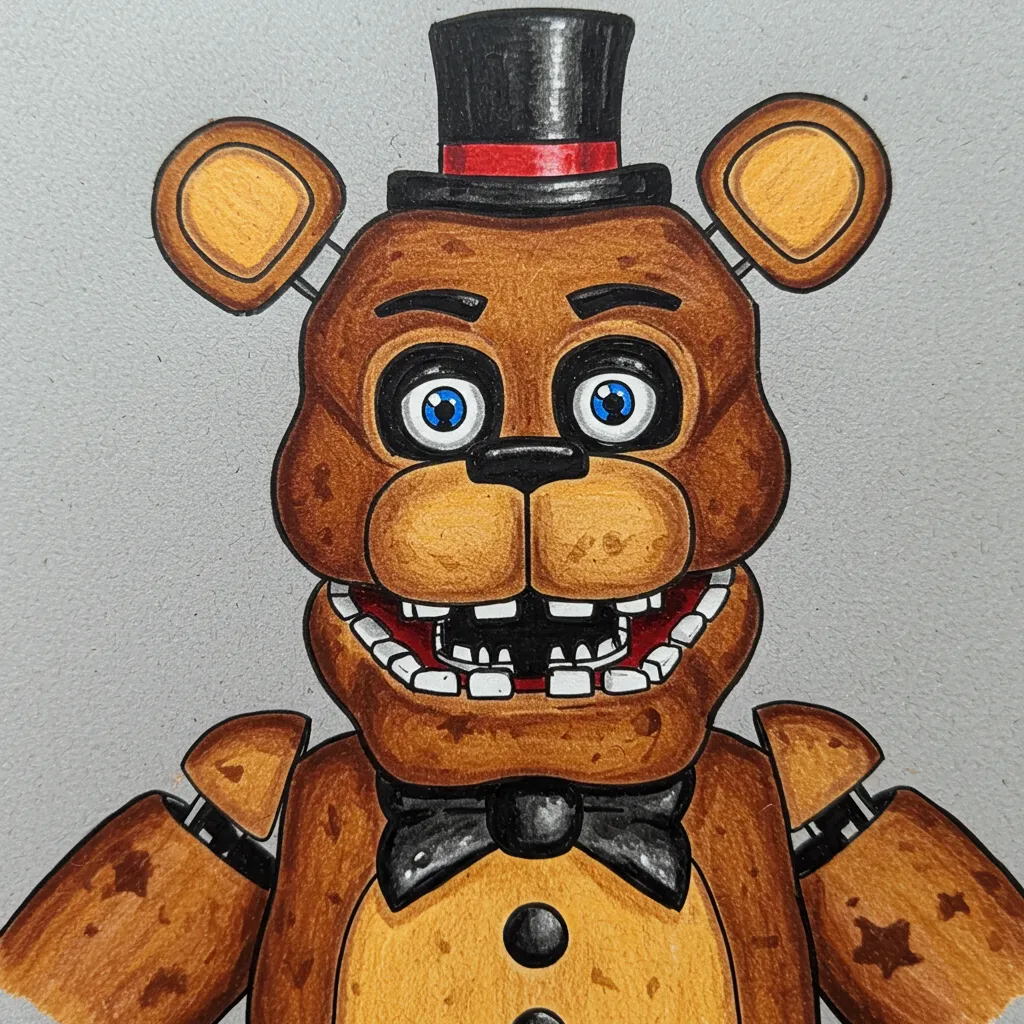
One category that surprised us at coloringfunfree.com when we started analyzing our own data: kawaii coloring books for boys. Specifically, the "weird-cute" subgroup - monsters with too many eyes, food characters that look slightly off, animals doing things animals shouldn't do. This category works unexpectedly well with boys between the ages of 6 and 9. Our working theory is that it combines two things that boys of this age respond to: cuteness that has its share of impropriety, and humor that doesn't require reading. The image becomes funny before you even pick up the crayon.
The findings, published in Springer Nature, confirm that coloring is a developmental activity: children aged 4-5 who regularly color pictures have improved fine motor coordination and grip stability, and coloring tasks are associated with increased concentration and attention control - prerequisites for effective learning. You can read the full article at Springer Nature Communities. The point is not that coloring develops skills, but that skill development only occurs when the child actually stays at the table. Which brings us back to the original problem: Give the boy the wrong worksheet and none of this happens.
A separate study published on ResearchGate examined the development of fine motor skills in young children before and after coloring activities. In a group of 29 children, nearly 38% showed a level of fine motor development below the expected level before the coloring sessions began. After the intervention, average fine motor development scores went from low to very high, requiring children to consistently complete the coloring task. Full details are available at ResearchGate publication. None of these results are possible with a boy who stands up after coloring half of a butterfly wing.
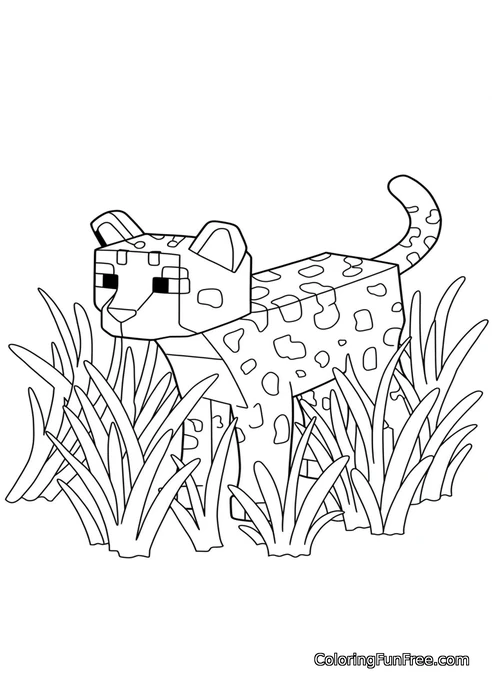
There's also the issue of screen neighborhoods. Boys as young as 7 years old often come to the coloring table from the context of games, videos, or animated content that moves quickly and has high visual density. Giving them a sparse, simple outline isn't necessarily better - it can feel like such a significant downgrade that the brain simply doesn't want to stay in that place. Age-appropriate complexity matters: a 10-year-old playing Minecraft for two hours at a time has a visual appetite that won't be satisfied by a sheet with three objects and a thick outline. He needs something dense enough that it's worth spending time on.
At coloringfunfree.com, we've made a conscious decision to sort our collection of coloring books for boys by subject matter and perceived difficulty - not always by age, because age labels are approximate at best, but by the visual density of the sheet itself. Parents who know their child needs something more challenging can find it without digging around. And that's no small thing. The difference between having the sheet finished and having it abandoned is often made 15 seconds before it's printed.
The basic argument here is simple enough to state bluntly: boys don't have a coloring book problem. They have a problem with choosing a sheet. Solve the problem of choice, and the 45 minutes of quiet concentration that all parents theoretically hope for becomes quite achievable - without a single snack break.
No vague promises. Here's what you'll actually find in our collection of free coloring books for boys, written concretely enough that you can decide in about 30 seconds:
This is an honest inventory. If your son doesn't see anything appropriate here, the collection is updated regularly, and the categories above cover most of what boys ages 3-12 are really looking for.
The phrase "coloring books for boys" covers nine years of a child's development. This is not an insignificant detail. A three-year-old needs three to five objects on a page, outlines thick enough to be seen from behind a desk, and no interior line details that require precise drawing. A ten-year-old with real coloring experience needs something very different: density, texture, something complex enough that its completion means something.
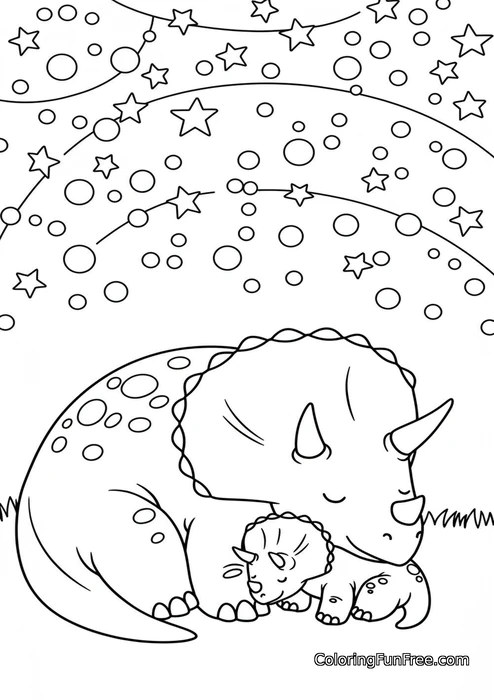
The most common mistake parents make is to print by theme without reading the sheet first. For example, in the Dinosaurs category, there are sheets suitable for a 4-year-old and sheets that might pique the interest of an 11-year-old. The topic is the same. The worksheet isn't.
Before printing, spend about five seconds counting the inside lines within the main drawing. Less than ten lines: this is a sheet for a younger child. Twenty to thirty: middle range, about 6-9 years old. Fifty or more interior lines: this is a detailed sheet that requires patience and is best suited for older children or those with above-average coloring experience. White space matters too - a page with little or nothing around the main figure will frustrate an older child who finishes in four minutes and feels cheated.
It's also worth asking about the story: does the image imply that something is happening, or is it just an object standing still? A rocket launch reads differently than a rocket standing still. A dinosaur in mid-stride reads differently than a symmetrically posed dinosaur. For boys ages 7 and up, the implied plot of the image is especially important. A scene with a story holds attention longer than a portrait-style sketch, no matter how detailed or simple the sheet is. It's worth thinking about this five seconds before you send the file to the printers.
None of these decisions are difficult. All of them affect whether the sheet is finished or abandoned halfway through.
That's all you need. Match the sheet to the theme and difficulty, set up your printing conditions correctly, and your coloring session is likely to go better than the last. If you're still looking for something not for boys - the site also has printable sheets with mermaids and printable sheets with Elsa and Anna for siblings or mixed families. Everything on coloringfunfree.com is free to print.