Unicorns coloring pages
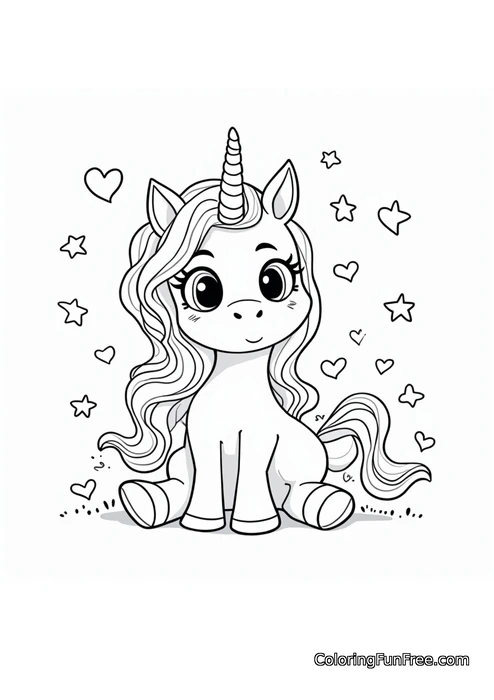
Funny unicorn
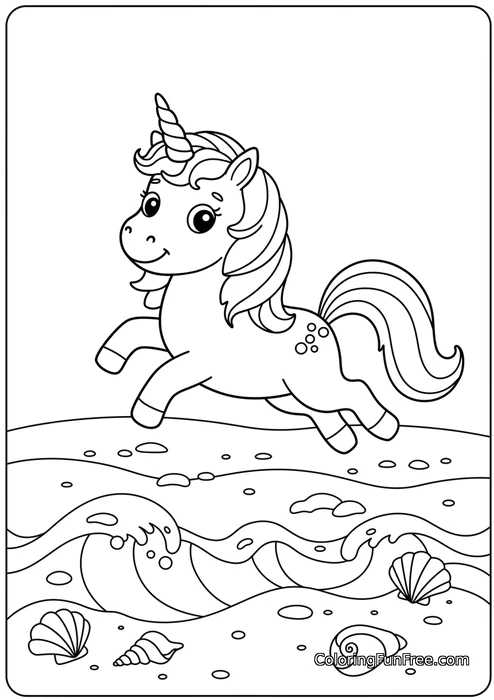
Unicorn galloping over ocean waves
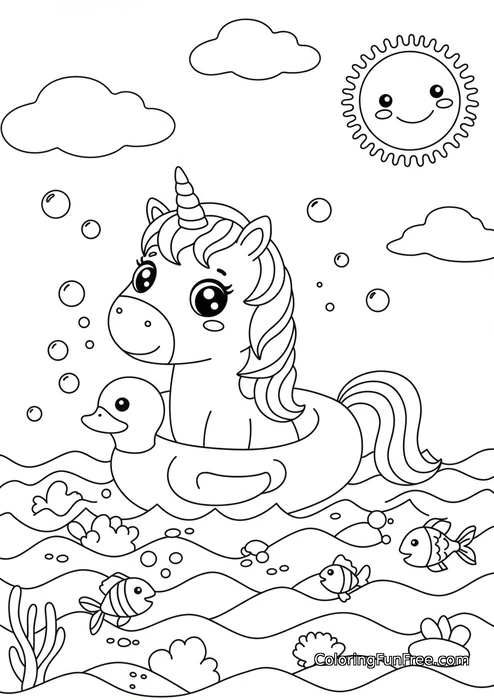
Unicorn in duck floatie with sun
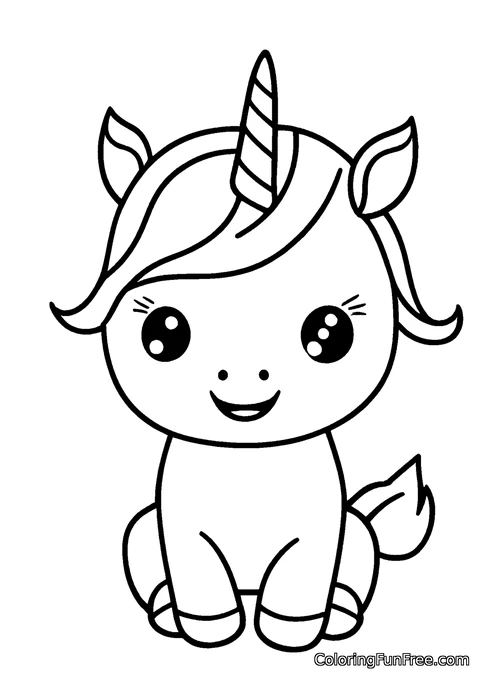
Cute unicorn
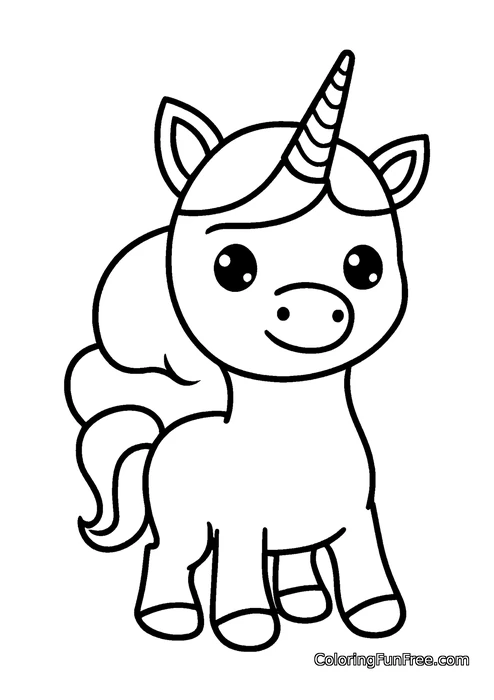
Simple unicorn
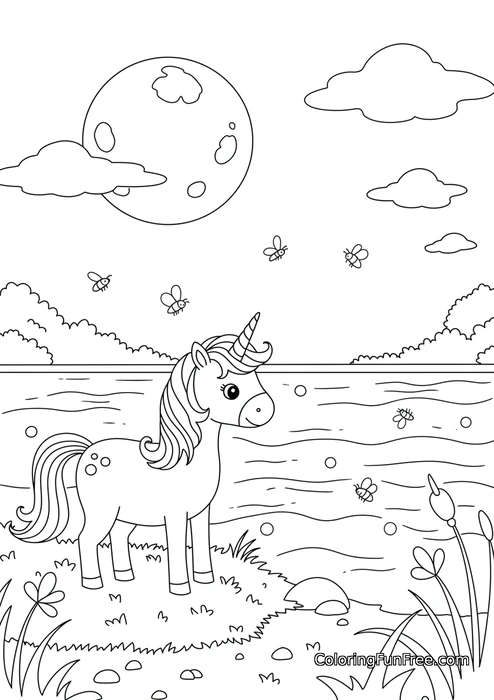
Unicorn by lake under moonlight
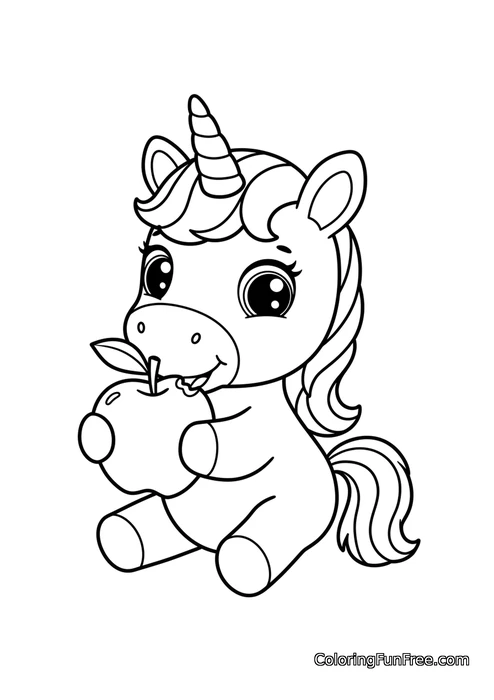
Unicorn eating apple
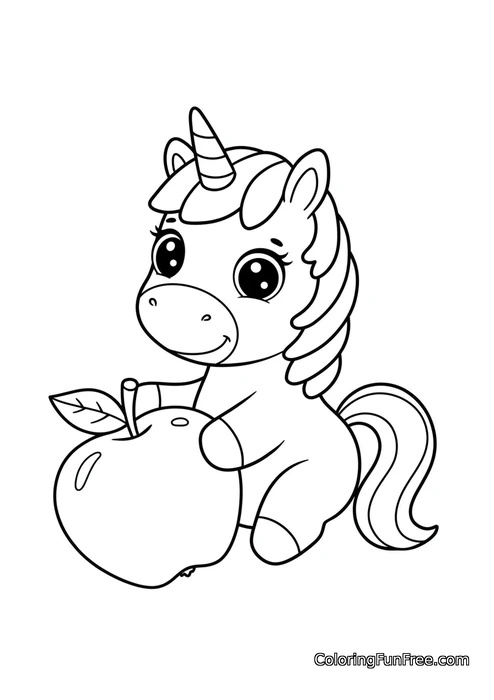
Unicorn holding large apple
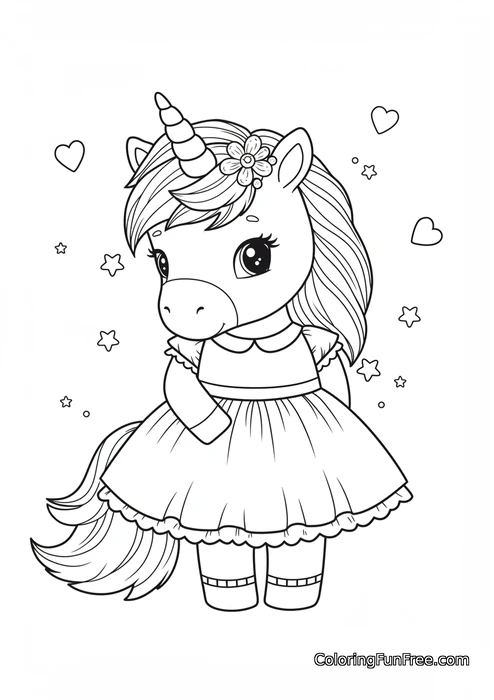
Unicorn in dress with flower in hair
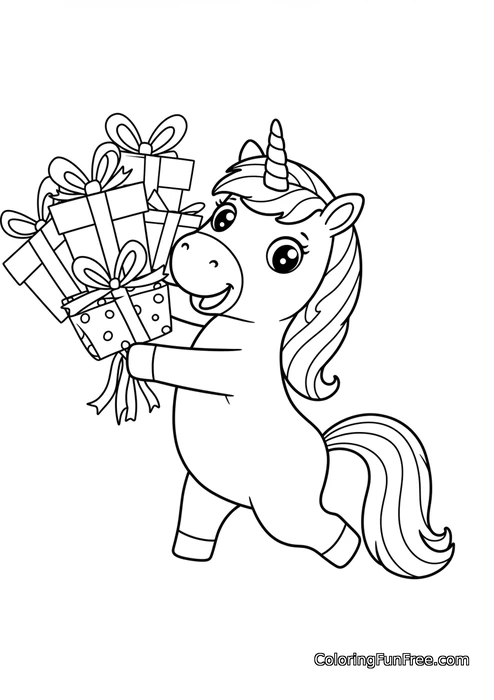
Unicorn carrying stack of presents
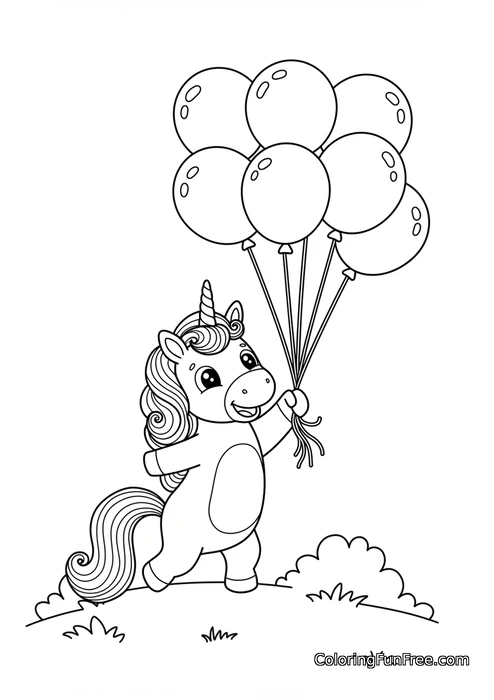
Unicorn holding bunch of balloons
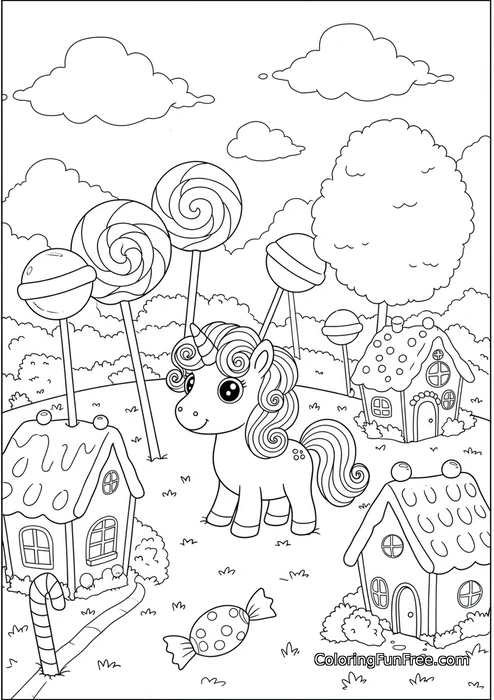
Unicorn in candyland
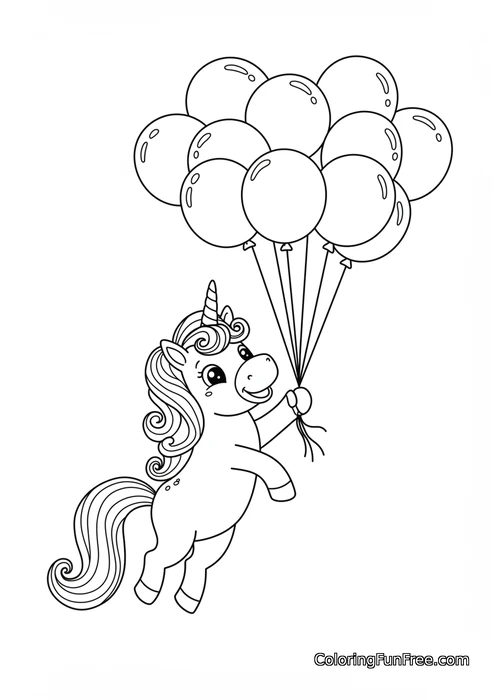
Unicorn with balloons
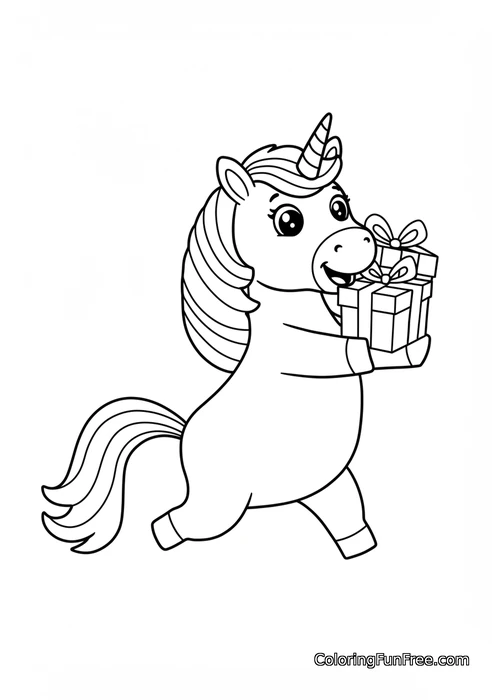
Unicorn with present
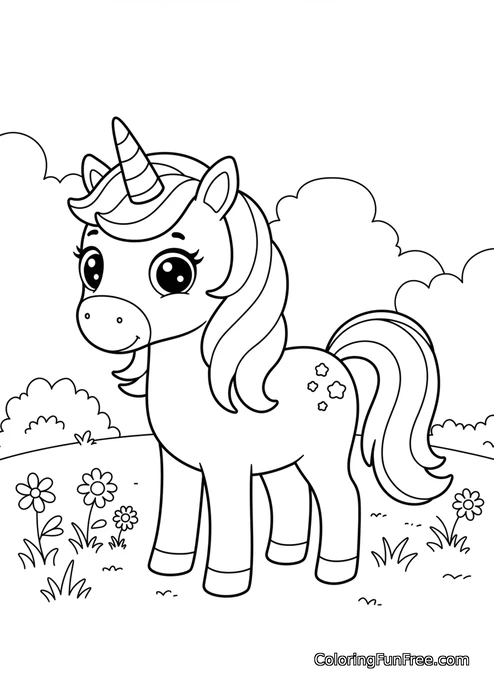
Unicorn in field with flowers and clouds
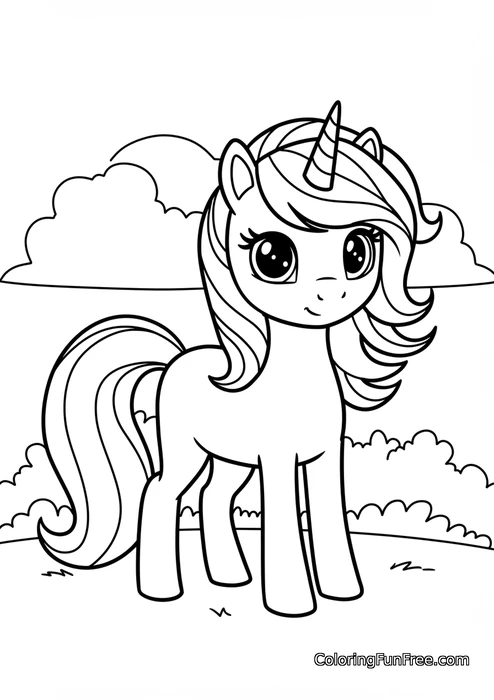
Unicorn in simple landscape
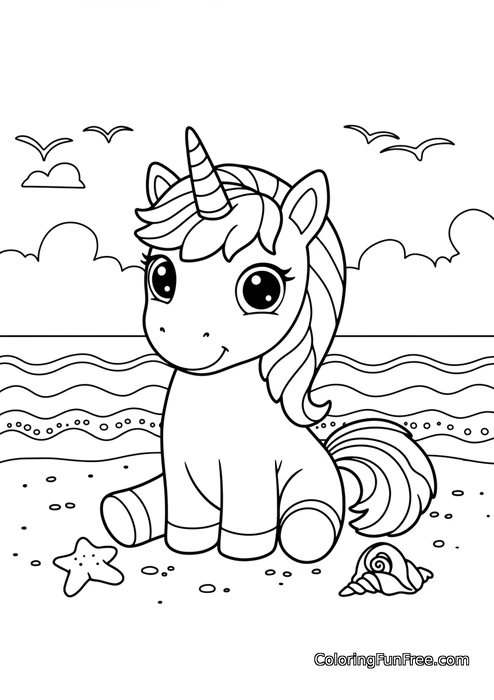
Unicorn sitting on beach with shells
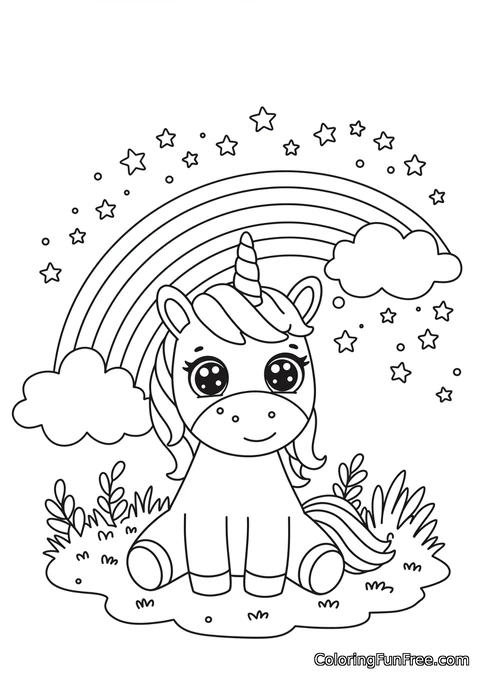
Unicorn sitting under rainbow with stars
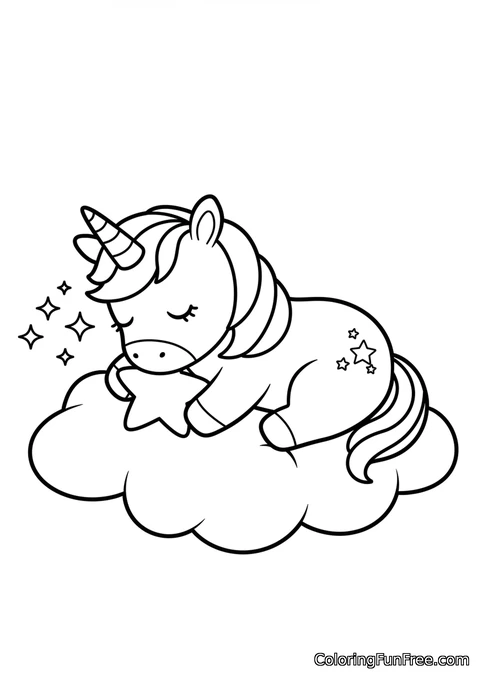
Unicorn sleeping with star
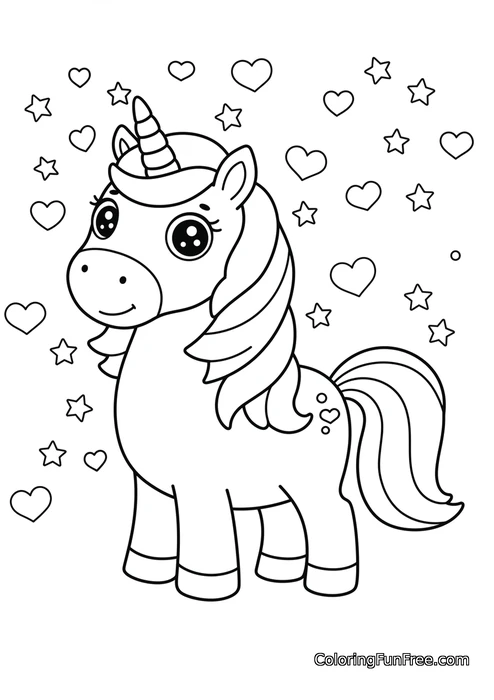
Unicorn with hearts
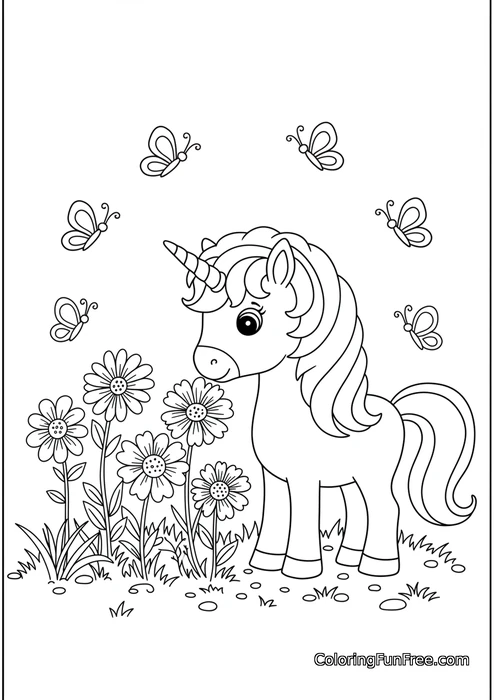
Unicorn in flower field with butterflies
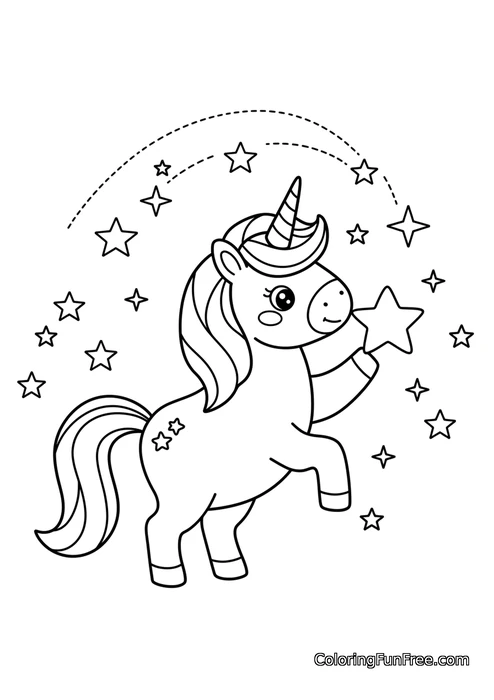
Unicorn reaching for star

Unicorn sitting on sandy beach
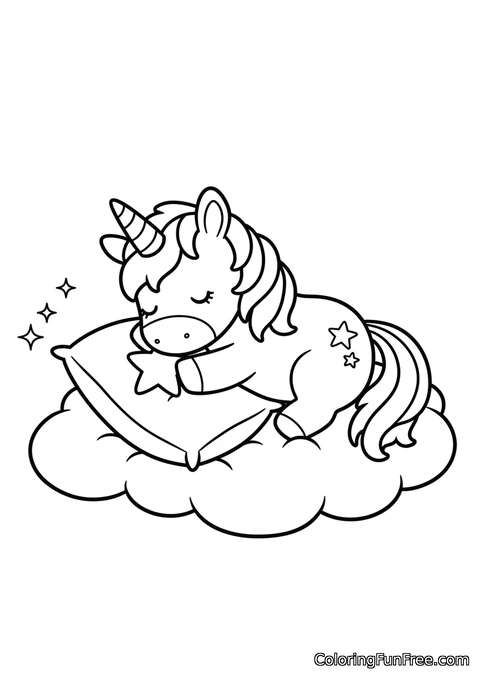
Unicorn sleeping on cloud pillow
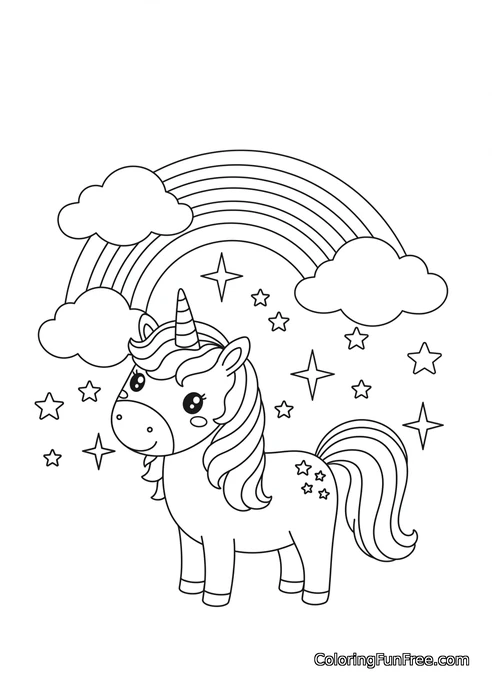
Unicorn with rainbow and sparkling stars
The Unicorn Problem: Too Many Colored Pencils, Not Enough Wrong Answers
Parents who use unicorn coloring pages will recognize a certain moment. The child sits down, picks up a pencil, looks at the outline of the unicorn on the page—and stops. Not because they’re confused. Not because the drawing is too complicated. They pause because they’re actually thinking about what color the unicorn should be, and somewhere in that pause, they realize: no one knows. And that’s okay. It’s actually fascinating.
Unicorns belong to a rare category of coloring objects. The shape is familiar—four legs, a mane, a tail—but the color is completely open. A purple unicorn with a yellow horn isn’t a mistake. A black unicorn with silver stars isn’t a mistake either. Even a brown, completely ordinary-looking unicorn isn’t a mistake, though most children won’t go for it when they have other options. This is an unusual creative freedom for a child who has been told all year long that the sky is blue and the grass is green.
Why Horses Work Better Than Unicorns
Horse coloring pages have many advantages. The anatomy is well-proportioned, the shapes are fun to color, and horses appear in enough picture books that most children recognize them instantly. But horses have certain color limitations that most children already know: brown, black, white, maybe gray. There is a well-known set of “correct” answers, and some children—especially those aged 5 to 7—are already sensitive to “correct” answers. A bright pink horse gets a raised eyebrow from an older sibling. A bright pink unicorn elicits nothing but admiration. The horn completely changes the level of acceptance.
This is no small matter. It’s one of the reasons why children return to the unicorn coloring pages on coloringfunfree.com time and again, even those who have already colored several pages. The theme never gets old.
The age range in which unicorns are most popular (it’s wider than you might expect)
It is generally believed that unicorn coloring pages are intended for children aged 4 to 6, and while this age range certainly generates enthusiasm, it underestimates their popularity. Children as young as 2 years old can work with large, simple unicorn outlines—ones where the entire body is a single open shape without any specific internal details. On the other hand, children aged 9–10 who have moved on to more complex coloring pages still return to unicorn drawings, especially if they include intricate mane patterns, detailed floral backgrounds, or fantasy landscapes. The scope of the theme. It is the complexity of the coloring page that changes, not the plot itself.
What’s actually in the collection of unicorn coloring pages on this site
The unicorn coloring pages available on coloringfunfree.com were curated with variety in mind. Not just a range of difficulty—though that too—but a range of mood, pose, and scenario. A sleeping unicorn is a completely different page than a growing unicorn. Both have their place, and both will appeal to different children on different days.
The simplest coloring pages in the collection are the unicorn coloring pages for toddlers. They feature rounded shapes, minimal line details, and a larger area to color. They’re designed for little hands that are still developing the fine motor skills needed to stay within the lines. A two-year-old still won’t be able to stay within the lines, and that’s okay—the page is designed so that the result still looks intentional. The proportions are slightly exaggerated in a cartoonish style, with larger eyes and a rounder body, which comes across as “cute” to both toddlers and adults.
Now there is an intermediate level.
The cute unicorn coloring pages in this series are designed for children ages 4 to 7. They contain a bit more internal detail—a divided mane with sections that can be colored separately, stars or hearts flying around the unicorn, a simple ground line, or a little cloud. The outlines are still clear and thick enough to be easily colored in, but more decisions need to be made. Which part of the mane gets which color? Will the stars match the horn or contrast with it? These small decisions add up to a coloring session that feels truly creative, rather than mechanical.
For older children—around age 7 and up—the collection includes more complex printable unicorn coloring pages. They may depict a unicorn in full gallop with a luxurious, multi-layered mane, or a unicorn surrounded by a wreath of flowers and ribbons. Some include background landscapes: clouds, a rainbow, the moon, and stars. Several pages in the collection have slightly finer line density, which suits the steadier hand of an older child without feeling like an adult coloring page.
The pages featuring a flying unicorn deserve special mention. The wings completely shift the compositional balance of the unicorn page—suddenly there is more vertical space, more opportunities for gradients if the child uses markers, and the question of what color the wings are is joined by the question of what color the body is. They usually take more time, which is either an advantage or a problem, depending on how long you need to keep the child occupied on a given day.
One of the categories that frequently appears in search queries—and which we’ve definitely included—is unicorns with rainbows. There is something particularly appealing about this combination. The rainbow provides a structured sequence of colors (even if the child decides not to follow the standard ROYGBIV order), while the unicorn offers the contrast of a free-form shape. These two elements balance each other out. Children who feel a bit overwhelmed by blank, free-form coloring pages often gravitate toward these pages because the rainbow provides a colorful roadmap, while the unicorn remains entirely up to them.
These coloring pages also do something worth mentioning. The American Art Therapy Association recognizes that coloring and creativity can help reduce anxiety and stress in both children and adults—see arttherapy.org to explore their published views on art and well-being. This is one reason why a child who is overexcited or having a tough day sometimes calms down faster with a coloring book than with a screen. The activity is limited, has a clear end goal, and results in something tangible.
Child development resources on PBS Parents also highlight that coloring helps children develop fine motor skills and visual-motor coordination—both of which are truly beneficial to practice, especially in the years leading up to formal writing instruction. Unicorn coloring pages, with their combination of large open areas and small details, actually provide a decent range of challenges within a single page.
On coloringfunfree.com, all “Unicorn” coloring pages are printable—meaning they’re formatted for standard home printing, download without issues, and require no account or subscription. If you’ve visited sites where clicking on a coloring page takes you to a paid page or a registration form, that’s not the case here at all. The pages are also available alongside other collections on the site—including heart-themed coloring pages and character-based sheets—so if your child finishes a unicorn coloring page and wants something else, the next option is just a click away.
How to print unicorn coloring pages so the result doesn’t disappoint a 5-year-old
Printing coloring pages sounds simple. It’s not always simple. The gap between how a coloring page looks on the screen and what comes out of your home printer is real, and it usually has a clear cause.
Settings That Actually Make a Difference
Before printing any unicorn coloring page from this site, check two settings: scale and print quality. The scale should be set to “fit to page width” or 100%—not “shrink to fit” and not a custom percentage, unless you want a smaller sheet. If the print is automatically reduced, the line thickness decreases and the colored areas shrink, which young children don’t like. Print quality should be set to at least “normal,” not “draft” or “economy.” Draft mode saves ink, but the lines look faded and uneven, which children notice even if they can’t explain why the page doesn’t look right.
Color balance settings do not apply here since these are black-and-white outlines, but if your printer has a “grayscale” or “black ink only” option, select it. Printing black outlines using all four color cartridges does not improve the result and leads to a waste of color ink.
Paper, ink, and one decision to make before printing
Standard copy paper works well for colored chalk and colored pencils. If your child plans to use markers, especially washable ones with a wetter ink flow, standard paper will bleed and curl. Slightly heavier paper (24-pound or 90 g/m²—a practical threshold) handles markers much better and creates a page that feels more substantial in little hands.
- For colored chalk and colored pencils: standard 20-pound copy paper will work
- For washable markers: use 24-pound paper or heavier to prevent bleeding
- For watercolor pencils or wet media: cardstock (65 pounds / 176 g/m²) will hold up without warping
- For a birthday party or classroom kit: print several copies before the event—reprinting in the middle of a party is pure chaos
- For storing finished pages
- For framing or storing finished pages: cardstock also gives the finished result a more polished look
One thing to do before a large print run: print a single test page first. It takes thirty seconds and will show you everything you need to know about how the sheet will look at scale. If the lines look thin or faded on the test print, adjust the quality settings before printing twenty copies. This is a tip that seems obvious, but it saves you a lot of frustration when you’re printing for a group of kids and the first batch comes out wrong.
If you like pages with similar print quality, then Nemo printables and Mario coloring pages on the site use the same formatting approach and print reliably on home printers.
When a child finishes the unicorn page and immediately asks for the next one
Finishing a coloring page brings a special satisfaction that differs from finishing most other children’s activities. A completed puzzle goes back into the box. A finished game ends, and someone wins. A completed coloring page is something the child has created; it looks different from any other version of the same page, it features their own choice of colors, and it can be hung on the fridge, turned into a card, or simply placed on the table for the child to look at before asking for another one.
This cycle—finishing a coloring page, immediately followed by the desire to get the next one—is something we constantly notice in reviews of the unicorn coloring pages on coloringfunfree.com. It seems that children don’t get tired of coloring in the same way they do of a single character or theme. Partly this is due to the creative freedom we mentioned earlier. Partly it’s because each page is truly different from the previous one, even within a single theme—a sleeping unicorn feels like a different creative challenge than a galloping one, even though on paper they’re both unicorns.
For parents, this is practical and useful information. A collection of free unicorn coloring pages isn’t a one-day resource. You can return to it for weeks or months, printing new sheets according to your child’s skill level and interests. Harlequin coloring pages on the site serve a similar purpose for older children who want something more serious—but for the unicorn age range, this collection generally has more staying power than most others.
The pages are here when you need them. Print one out now or save the link for a rainy day. Either way, the colored pencils are ready.