Coloring Fun Free

Why Animals Are the First Thing Children Want to Color (and Keep Wanting to Color)

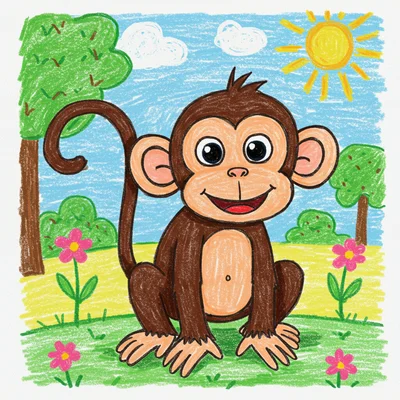
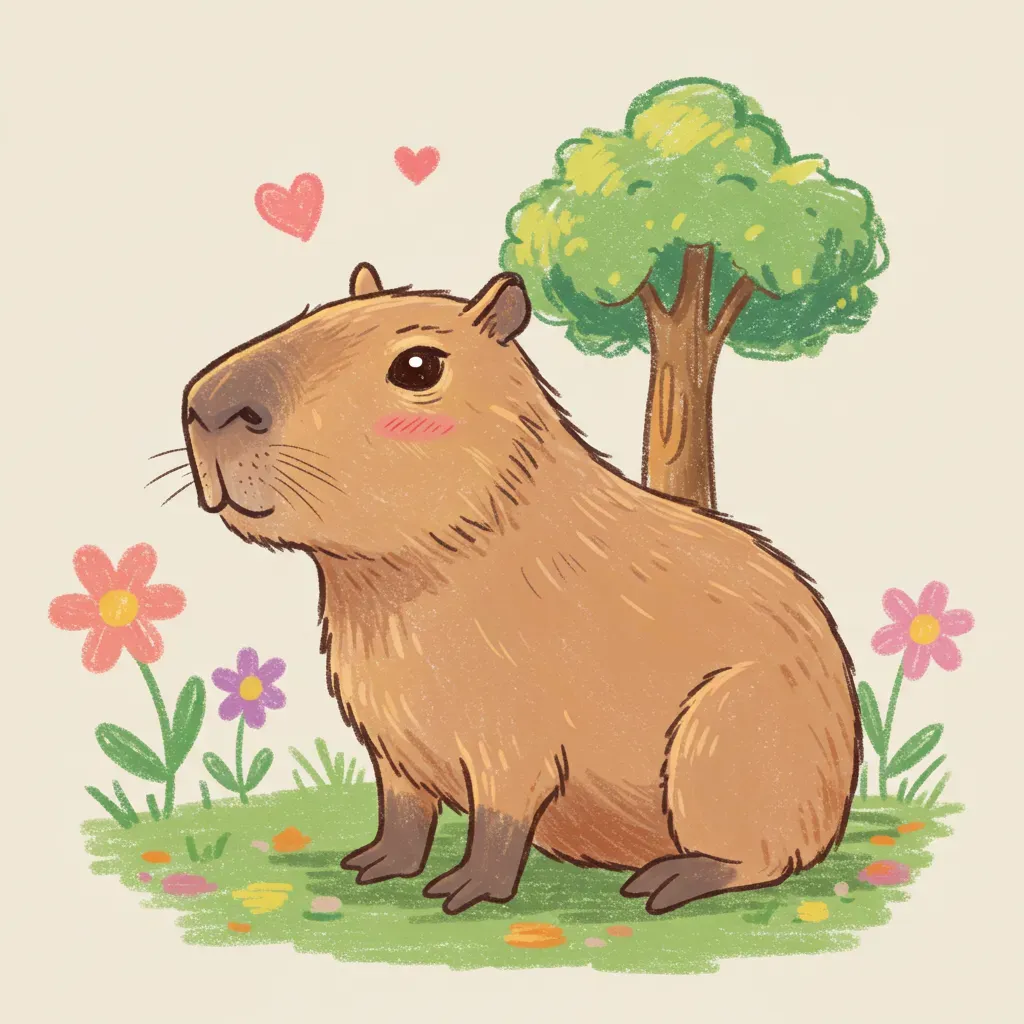
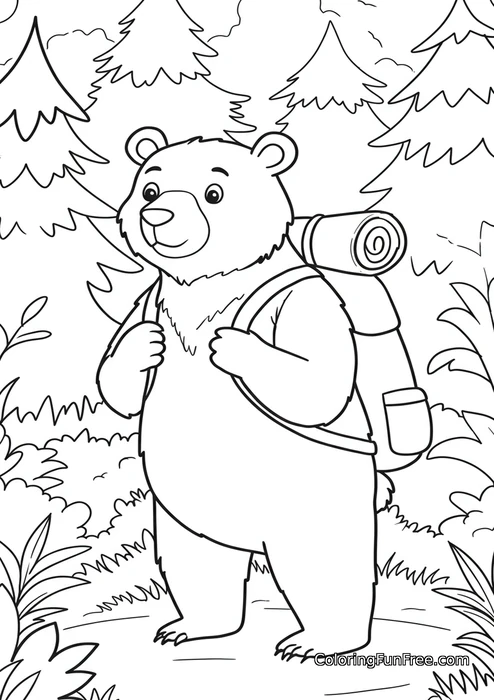
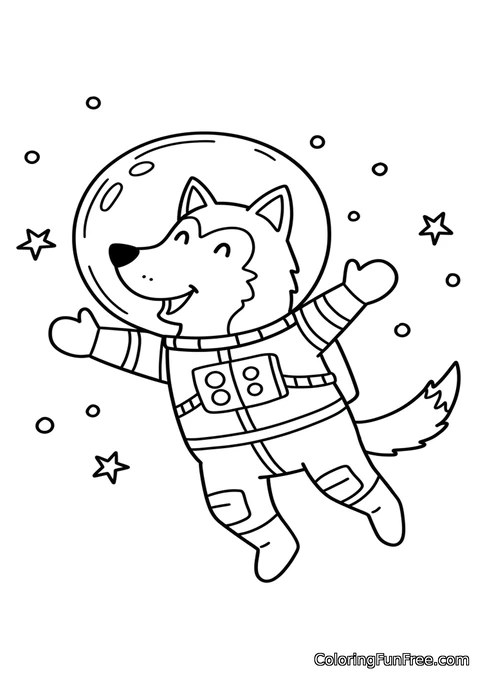
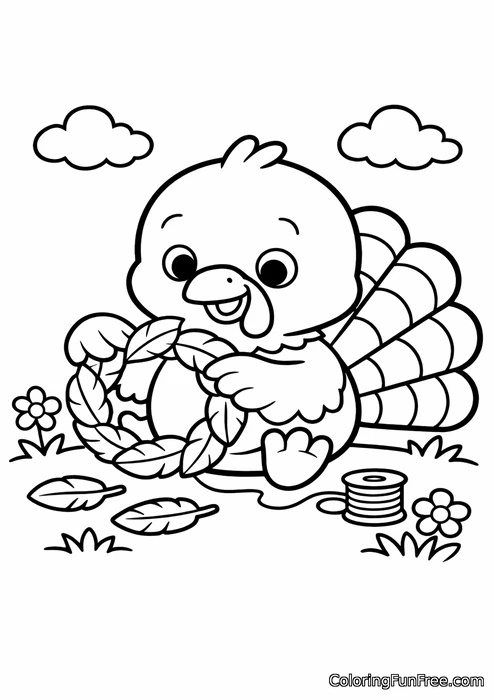
Even before most children can confidently name a single color, they’re already pointing out animals in picture books. The dog on page three. The duck on the cereal box. An elephant on the bedroom wall. Animals dominate children’s early visual world in a way that no other object can-not vehicles, not food, not abstract patterns. So it’s no surprise that animal coloring pages are, by a wide margin, the most popular category on coloringfunfree.com. Every week, without exception. 

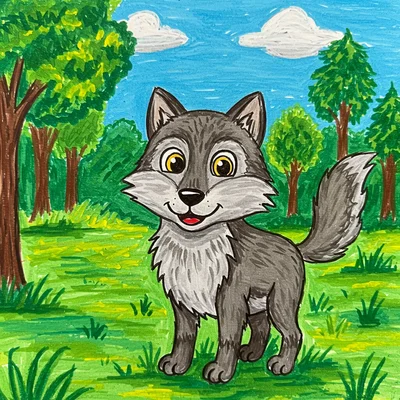
There is something about an animal’s face-especially its eyes-that captures a child’s attention in a way that a flower or a geometric shape simply cannot. Animals have facial expressions, or at least children see expressions in them. The cow looks patient. A crab looks angry. A wolf looks as if it has a plan. This narrative quality is one of the reasons why children return to animal coloring pages again and again, even after the page has already been colored once.

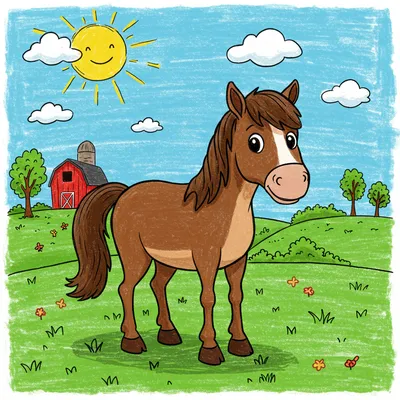
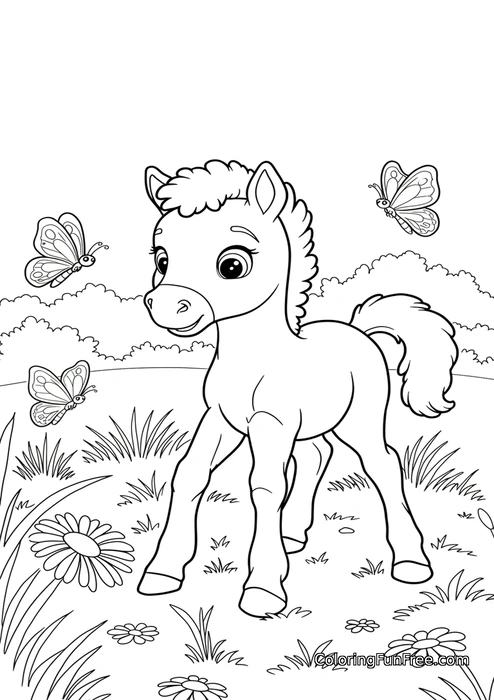
Coloring pages also promote real-world development. According to research on early childhood development highlighted by the American Academy of Pediatrics, coloring books help children develop fine motor skills and hand-eye coordination-fundamental skills for learning to write. Holding a pencil steady enough not to go outside the lines of a horse’s mane is, in essence, practice for holding a pencil. Most children don’t realize this. They’re just trying to make the horse brown.

In our collection, you’ll find a wide range of categories-each one chosen because children actually ask for these specific animals, not because they filled out a spreadsheet:

This range was chosen deliberately. A four-year-old interested in farm animals and a nine-year-old who just finished a school course in marine biology have very different needs-and both deserve a coloring page that matches their level. That’s exactly what we’ve tried to create here.

What an octopus coloring page can teach a child that a video never will

There’s a special moment that happens with marine animal coloring pages, but almost never with coloring pages in other categories. A child picks up a sheet, looks at the octopus for a minute, reaches for a pencil, and then pauses. And asks: “What color is the octopus?”

That’s a really good question. And the answer-that octopuses can change color, that they’re often brownish-red but can turn gray, orange, or even mimic a sand pattern-reveals something. Not because parents are lecturing, but because the child actually looked at the animal. They tried to figure it out. This moment of decision-making is a form of attention that passive media rarely require.

When a child watches a nature documentary, the octopus is already colored in. It’s already moving. It’s already interpreted, accompanied by music, and voiced. The child receives the animal ready-made. Coloring books turn this on its head. The child must make a choice regarding the animal. This choice, even if they simply choose the color purple because it’s their favorite, is still an act of interaction with the image before them.

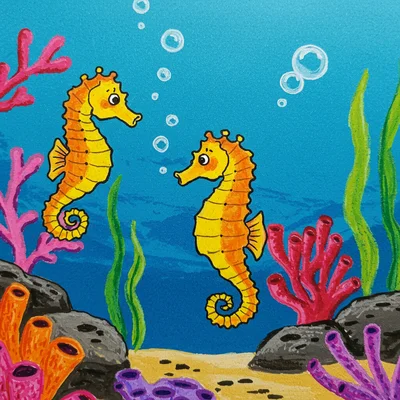
Coloring pages featuring sea creatures generally create this effect more than almost any other category, likely because sea creatures are truly unfamiliar. A child who has seen a hundred dogs has a fairly clear idea of what a dog looks like. But a seahorse is a completely different matter. A vertical body, a curled tail, bony plates instead of scales-children look at the outlines of seahorses in a way they don’t look at the outlines of cats. This spellbound contemplation is the beginning of true curiosity.

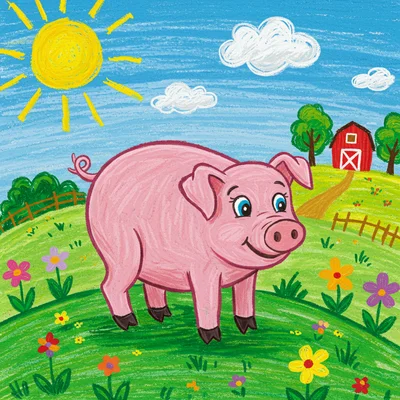
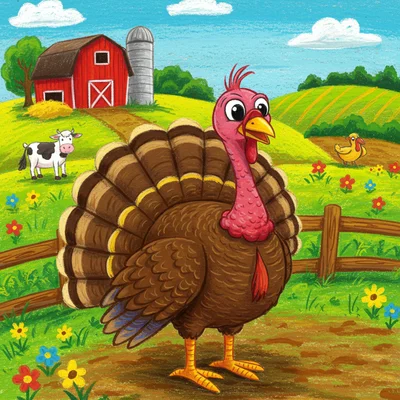
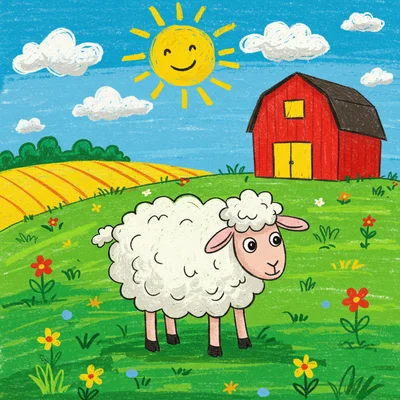
Coloring pages featuring farm animals work differently. They are less complex, more familiar, and better suited for younger children. A three-year-old doesn’t need to rack their brains over what color a pig is-they know roughly, and that confidence is helpful. It makes coloring achievable. There’s a place for that, too. Pages featuring familiar animals and unfamiliar ones serve different purposes, and a good collection has room for both.

On coloringfunfree.com, by observing which pages are downloaded and which ones children return to, we noticed that the animals that spark the most questions usually have unusual shapes or textures. Crabs. Jellyfish. Armadillos. These aren’t necessarily the most popular first downloads, but they seem to hold attention the longest after printing. A child coloring a jellyfish has to figure out how the tentacles work. That’s no small feat.

It’s also worth noting: parents don’t need to turn the coloring session into a lesson. Curiosity usually arises on its own, quietly, during those ten minutes the child spends sitting over the page. The animal does the work. The coloring page simply places the animal in front of the child-motionless, the right size, with visible details. That’s the whole mechanism. It’s simple, and it works.

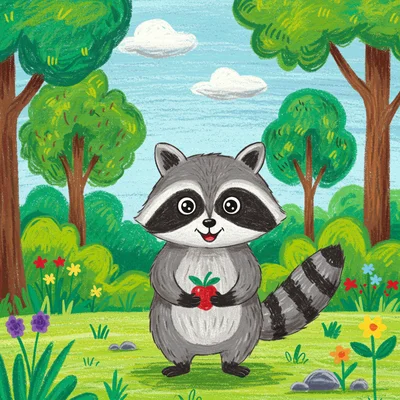
If your child is drawn to marine themes, our collection of pages featuring sea animals is one of our most diverse. And if they’ve recently become fascinated with raccoons-it happens, after all, they’re surprisingly charming animals-our raccoon coloring pages are a great place to spend twenty minutes.

The most common animals in our collection

A few categories to know about before printing

The collection on coloringfunfree.com isn’t organized randomly. The animals included are the ones kids constantly ask for, and the sheets are designed for different age groups and skill levels. Before you start downloading, it’s helpful to have a general idea of what’s available here.

According to the National Oceanic and Atmospheric Administration (NOAA), there are over 700 species of marine animals living in U.S. ocean waters alone-which gives some idea of just how broad the “ocean” category can theoretically be. We focused on the ones that children actually recognize and are curious about, rather than trying to create an encyclopedic list.

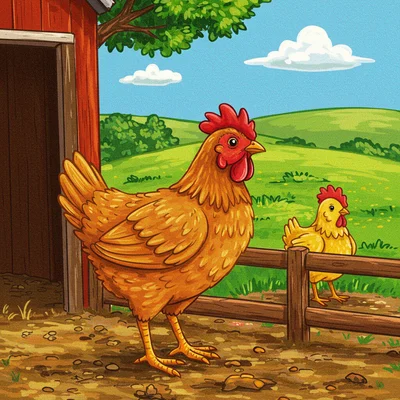
If you're looking for something specific and don't see it right away, try using the site's search function. We regularly add new printable animal coloring pages, and our collection has grown significantly over the past year. In particular, the “Farm” section has expanded-including our free chicken coloring pages, which turned out to be more popular than we expected and are truly loved by young children.

How to choose a coloring page for a child-age and level of detail really do matter

Not every animal coloring page is suitable for every age, and choosing the wrong coloring page in any category usually leads to the activity ending prematurely. A coloring page that is too detailed will frustrate a four-year-old. A coloring page that is too simple will bore an eight-year-old in just two minutes. The level of detail matters more than most parents realize.

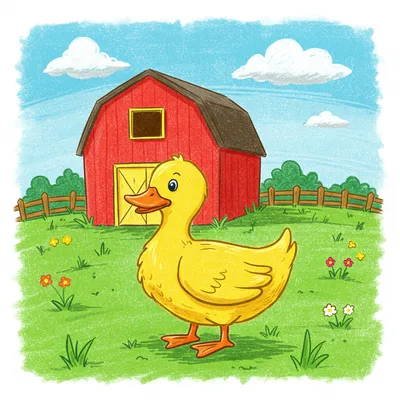
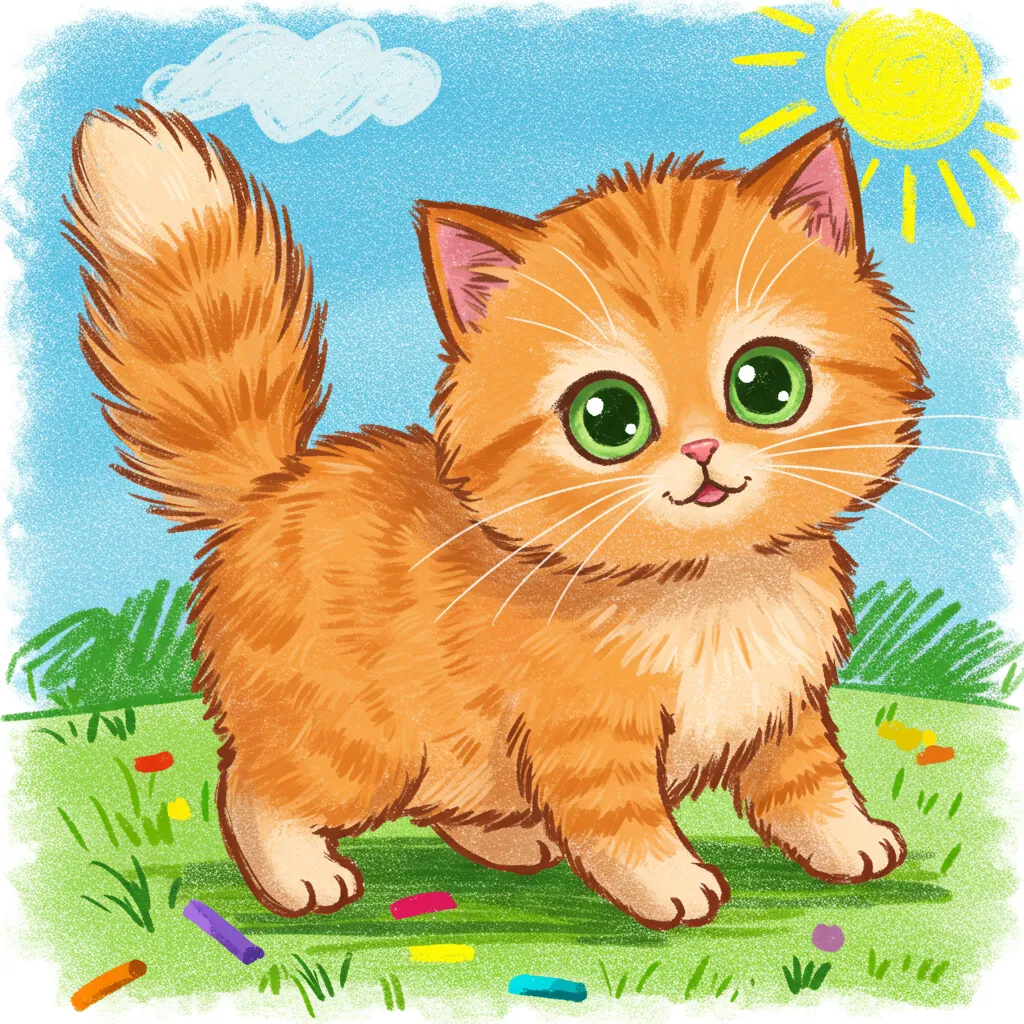
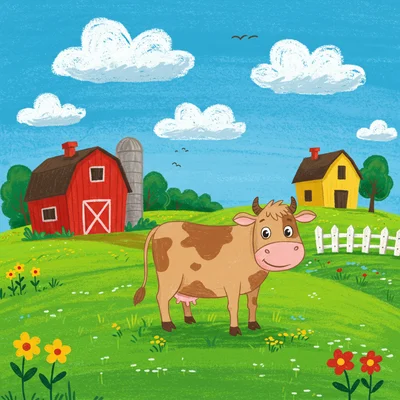
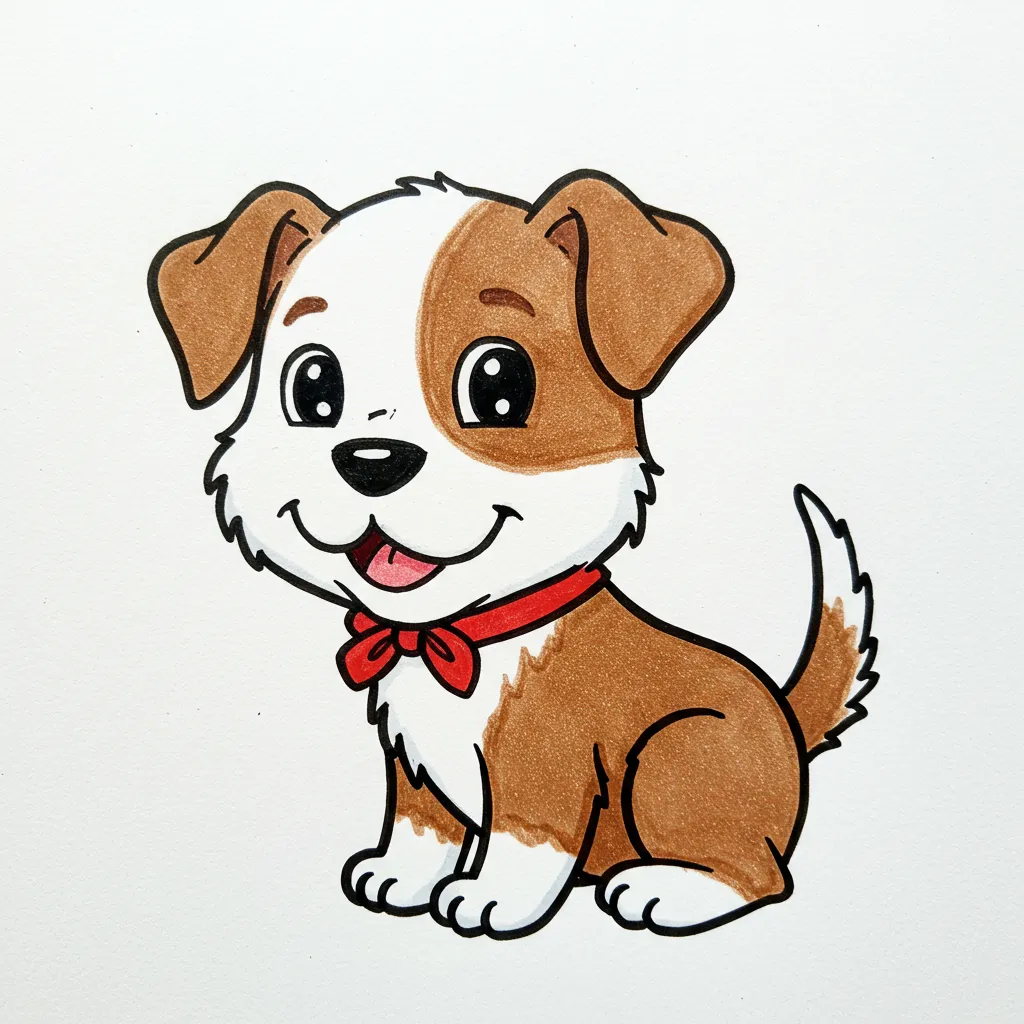
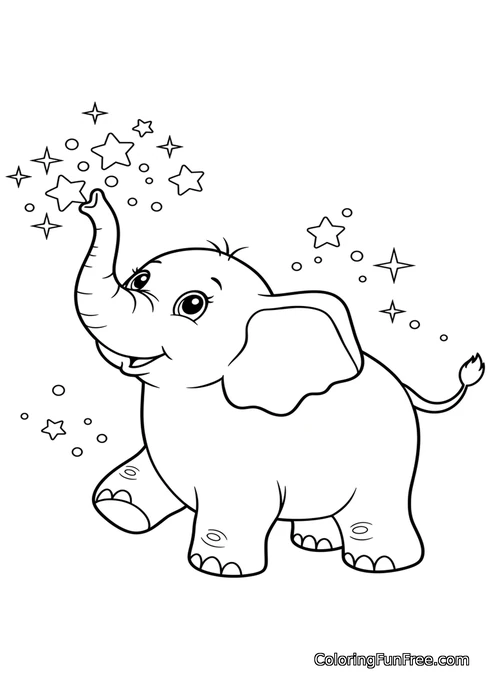
For children aged 3 to 4, the most useful coloring pages are those with large, clear outlines, a single animal in the center, and minimal background. A big cow. A simple duck. No grass, no barn, no sun in the corner. The simpler the composition, the more control a young child feels, and it is this sense of control that keeps them at the table. Cute animal coloring pages with clear, pleasant outlines are almost always the right choice for this age group.

Between the ages of 5 and 7, children can handle slightly more complex tasks. Some background details work well-a farm scene with a fence, the ocean floor with a few rocks. At this stage, groups of animals also start to interest them. Two horses, a pod of dolphins. The added complexity gives them more opportunities to make decisions without overwhelming their ability to complete the task.

For children aged 8 and older, complex details become truly exciting. Realistic animal proportions, patterned fur or scales, scenes with several animals against a multi-layered background. In this age group, coloring can start to resemble drawing-children will begin to consciously choose shades, mix colors, and leave certain areas white for effect. It is precisely those sheets that pose a challenge for them that they will finish to the end. And sometimes they even hang them on the wall.

Printing tips that most websites don’t mention

One setting that changes how the page feels under a pencil

Most advice on printing coloring pages is limited to the recommendation “use white paper.” That’s not enough.

Paper weight makes a noticeable difference, especially for younger children using thick crayons or markers. Standard 20-pound printer paper works, but 24- or 28-pound paper holds up better and doesn’t bend as easily when a child presses hard. It also absorbs the wax from the pencil more evenly, meaning the finished page looks exactly as the child intended. This matters more to children than adults usually realize.

Print settings are another variable that is often overlooked. We format each page of our free printable animal coloring pages so that they print correctly on standard 8.5 × 11-inch paper using default settings-without the need for manual scaling or cropping. Some PDF files from other sites print at 85% of the intended size without warning, which crops the outlines and makes the animal look strangely squashed. Our coloring pages are designed to avoid this. If the page looks like it will be cropped, select “Fit to Page” in the print dialog box to fix it.

One setting worth changing: print quality. “Draft” mode saves ink but produces faint, slightly uneven lines, which can be frustrating for children trying to color carefully within the outlines. Standard or normal print quality produces crisp black lines that make coloring enjoyable-lines where the tip of the pencil meets the edge of the outline, and it feels just right.

Where to start if you don’t know what to print first

If your child is under 5, start with farm animals. The shapes are large and familiar, the animals have recognizable faces, and there’s almost no chance the page will be too difficult. A pig or a horse makes for a good first coloring experience precisely because the child already has an idea of what it should look like-which means they’ll feel a sense of accomplishment when they finish.

If your child is between 6 and 9 years old and is interested in the ocean, we’d recommend pages featuring sea animals first. They’ll color these pages over and over again. Kids keep coming back to pages featuring a seahorse or a whale, which isn’t always the case with simpler designs. There’s something about the quirkiness of these animals that makes the pages so engaging.

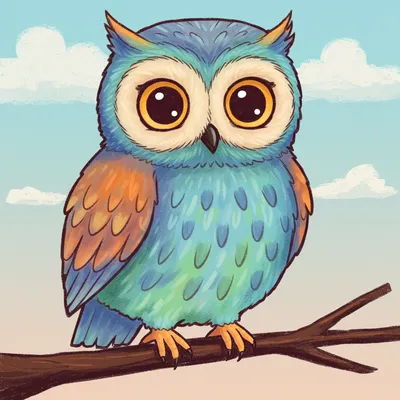
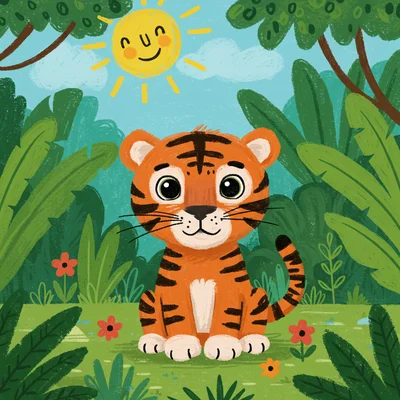
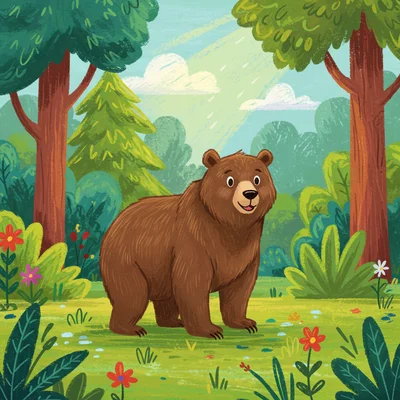
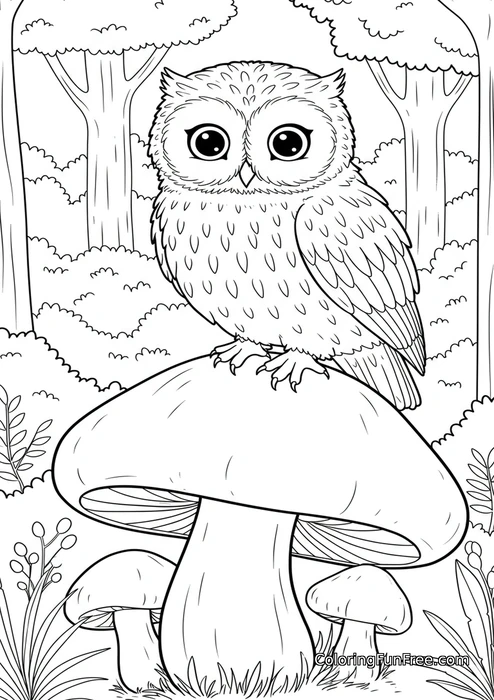
For older children looking for something more challenging, try detailed sheets featuring jungle and forest animals. A realistic tiger face with stripes that need to be colored separately, or an owl with feather patterns, usually captures the attention of a 9- or 10-year-old in a way that a simple outline won’t.

If you're looking for something a little outside the animal category for a change-perhaps for a sibling with different interests - we also have car coloring pages and seasonal options, such as fathers day coloring pages, which are worth bookmarking.

The easiest way to get started is simpler than any guide: print out an animal your child is currently fascinated by. Whatever it may be this week. This is the page your child will actually sit down with, and that’s what matters most.